CEO Note: Why JBS backing off net-zero is progress
By Glenn Hurowitz, Founder & CEO
In its recent sustainability report, JBS – the world’s largest meat company – announced that it was abandoning its 2040 net-zero climate target. Normally, we wouldn’t cheer a corporation walking away from a climate pledge. Indeed, we campaign for companies to adopt credible, ambitious climate action commitments and plans; celebrate them when they do so; and fête them even more when they achieve them – or critique them when they don’t (for instance, McDonald’s in the pages of the New York Times).
But JBS’ retreat is a victory for transparency that we hope lays the groundwork for an honest discussion both inside and outside the company about tackling its immense footprint.
In this case, the company’s net zero commitment was, from the jump, a brazen greenwashing scheme that never accurately described the trajectory the company was actually on. The biggest problem was that the commitment only focused on Scope 1 and 2 emissions, which account for just 2-3 percent of its climate footprint.
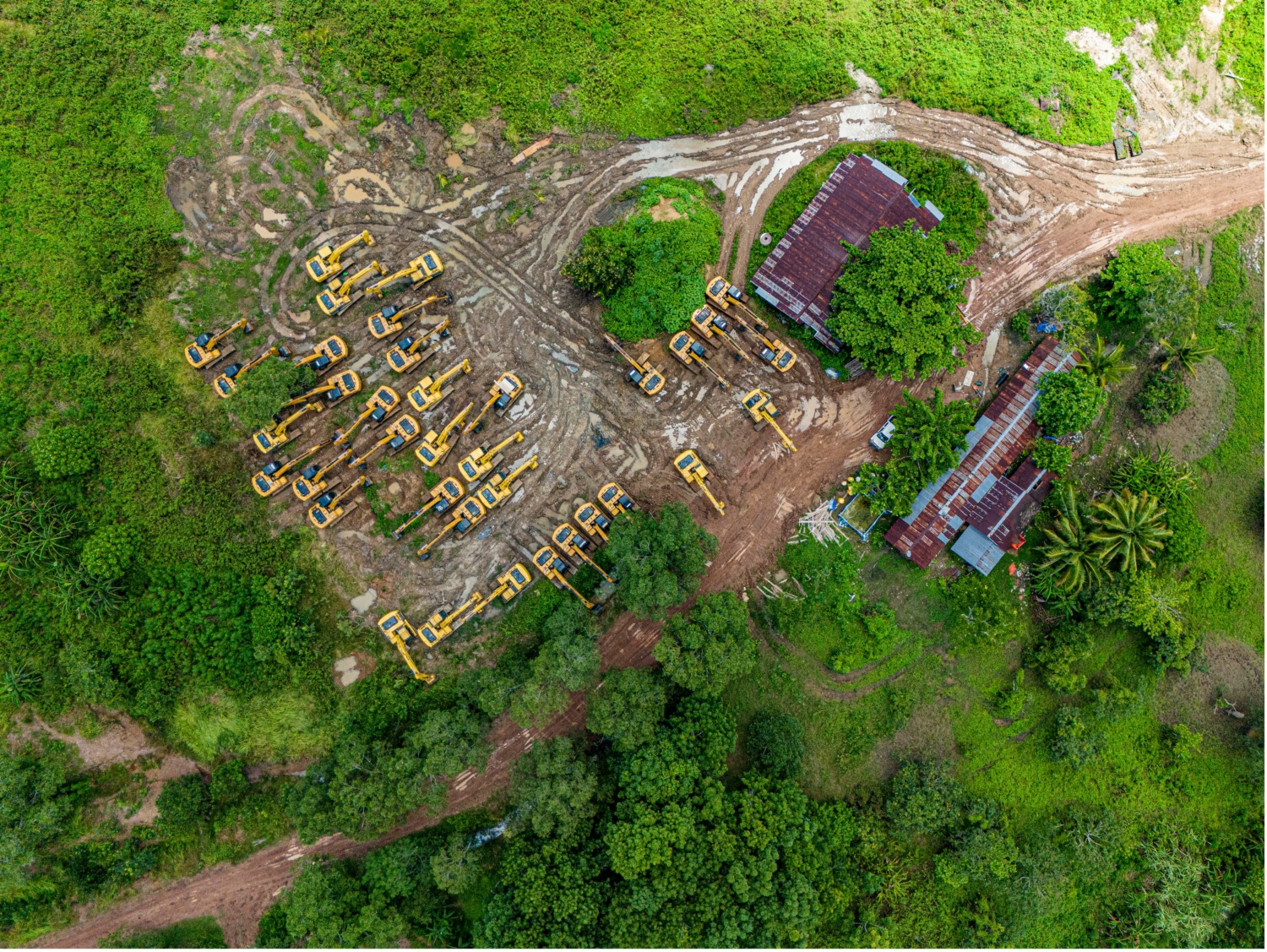
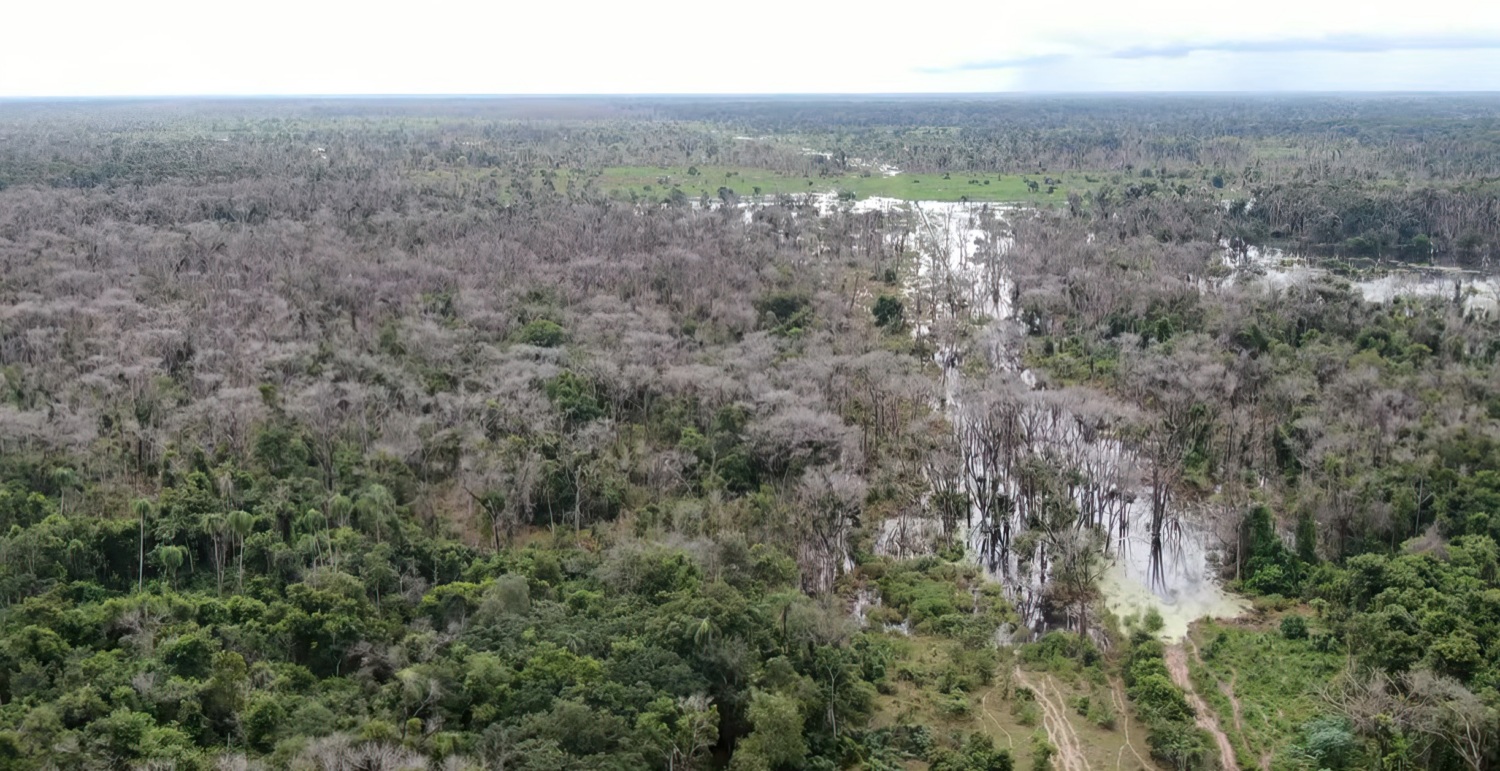
Even as competitors worked to eliminate destruction of nature from their supply chains through better monitoring and responsiveness to Mighty Earth’s Rapid Response system, JBS has continued to drive deforestation on a vast scale. It even bought from a rancher who was spraying the chemicals used in Agent Orange to clear forest in an attempt to evade satellite detection.
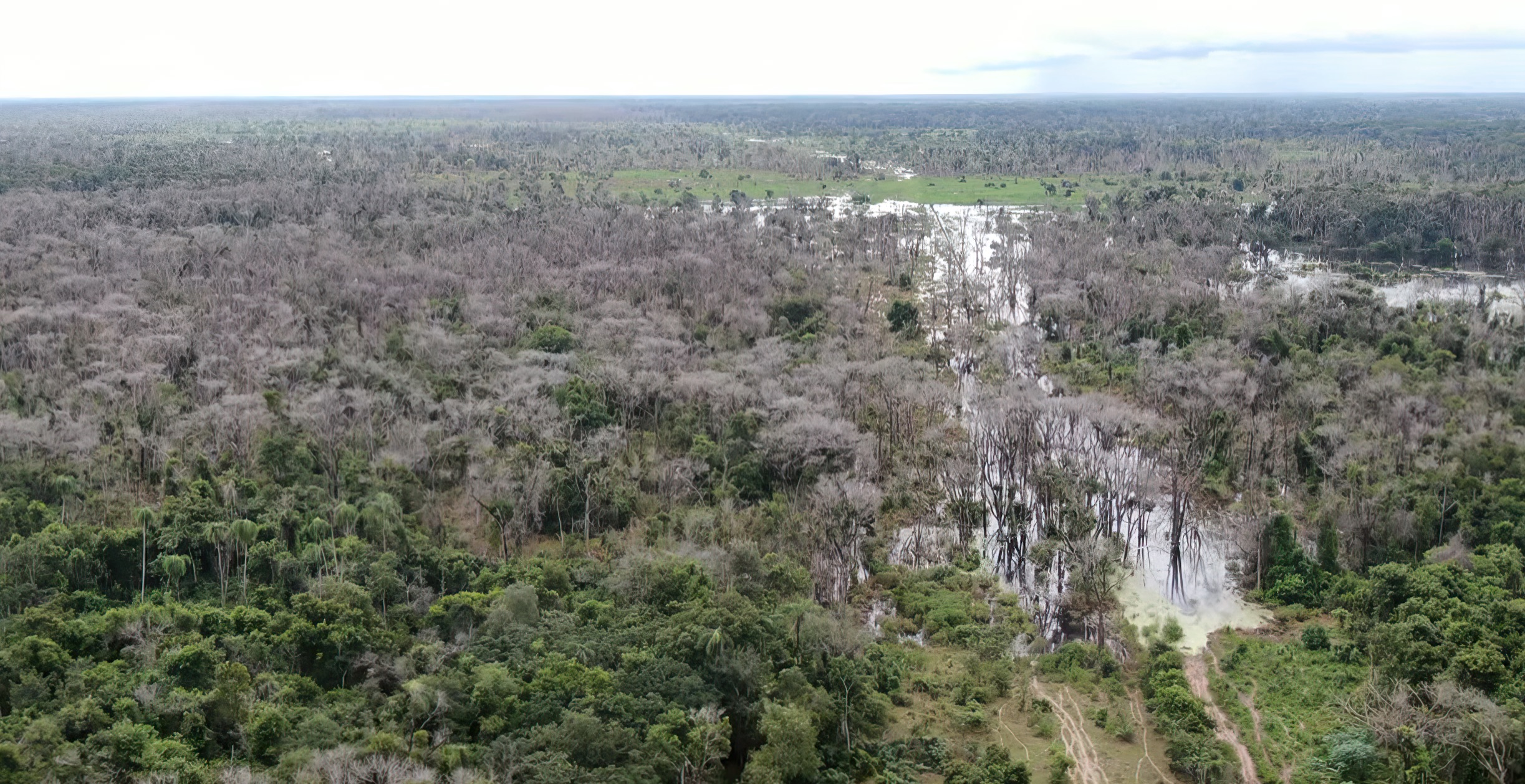
Meanwhile, the company is supersizing its climate pollution: In Brazil alone, JBS increased cattle slaughter in Brazil 30 percent just between 2021 and 2025. They’ve talked a lot about tackling methane, but haven’t gone beyond pilot efforts to address the emissions from the 10 million plus cows they slaughter every year.
Those failures are what cause this one company to have a footprint the size of the entire country of Spain. Most troubling of all, they’re now bringing their model of deforestation and pollution-based industrial agriculture to Africa, with a plan to develop cattle ranching across 4600 square miles of Nigeria backed by a $6 billion global investment.
Within that context, JBS dropping its net-zero hallucinations allows its investors and customers – as well as courts and governments – to assess how and whether they want to be involved with a company that not only has a bad track record, but also – for now – lacks a credible plan to change direction.
Despite its problems, and they are massive, we know JBS is capable of positive change. We’ve seen the company (under pressure) eliminate hundreds of suppliers for links to deforestation, adopt regenerative practices on a pilot scale, and make initial investments in animal-free protein.
The challenge is that, unlike some of its competitors, JBS isn’t implementing these changes on a scale commensurate with the size of its operations. But determined pressure from customers, investors, policymakers, and the courts has delivered what positive changes JBS has already made:
- JBS was nervous about the legal consequences of its climate claims: the company settled a lawsuit brought by New York State in which it committed to stop its deceptive marketing (for which Mighty Earth was proud to help provide input); it is currently facing a Mighty Earth lawsuit over its greenwashing in Washington DC as well as a lawsuit over its expansion plans from Greenpeace Netherlands (the Netherlands recently became the company’s new corporate home).
- JBS continues to face serious pressure from its customers, financiers, and the public over both its claims and its impact. While just changing its marketing claims isn’t alone going to mitigate this pressure, it’s a first step.
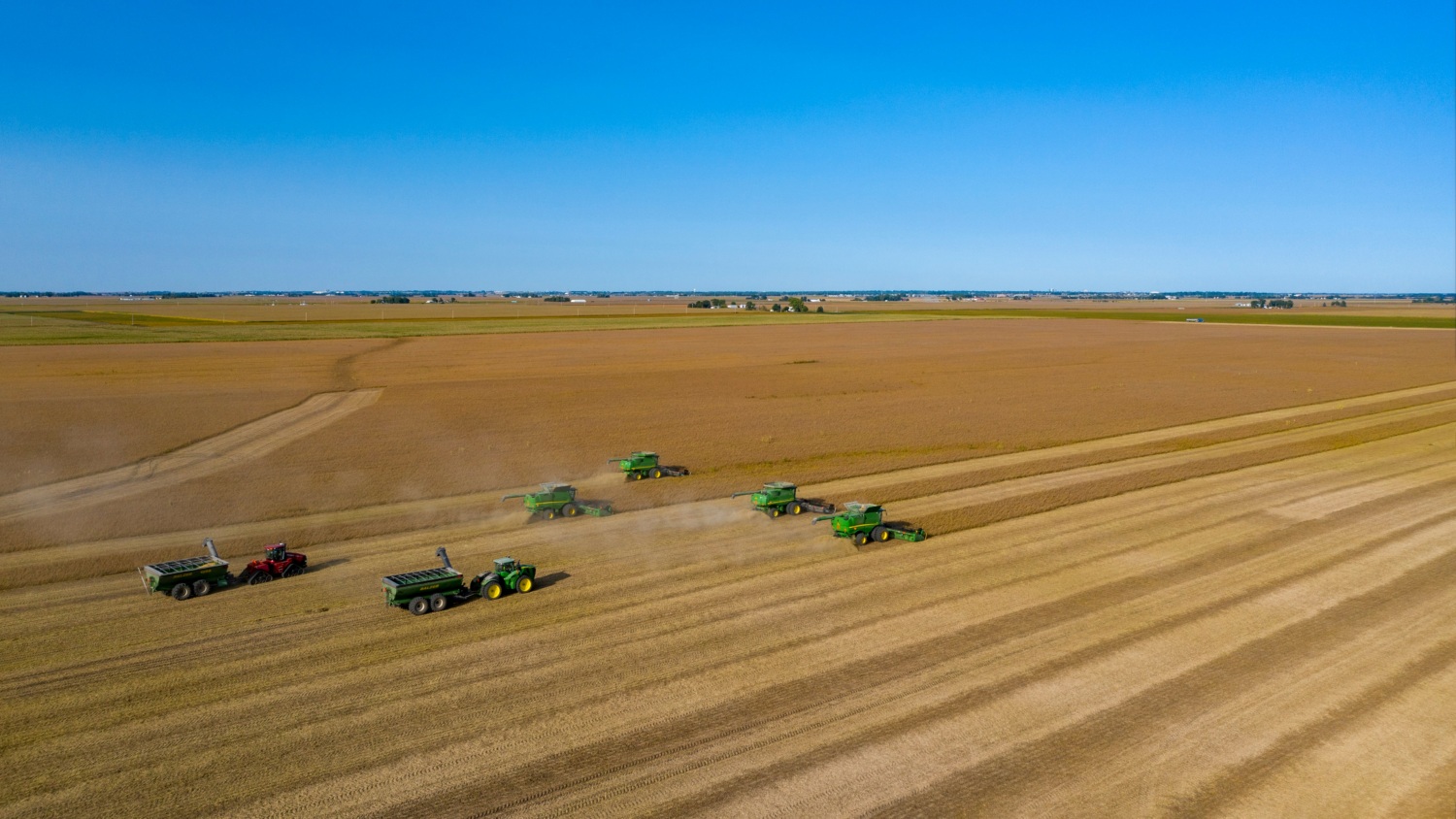
We will sustain this pressure now to push JBS toward the cost-effective, large-scale solutions that can rapidly and affordably reduce the company’s footprint: channeling agriculture expansion onto Latin America’s 1.6 billion acres of degraded land, adopting regenerative practices across the Americas, and scaling animal-free protein.
We’re excited about the recent launch of our exposé about how JBS is foisting some of the meat most exposed to deforestation and slavery-like conditions on the poorest areas of North and Northeast Brazil through the Grupo Mateus supermarket chain. That report was just the first step; there’s more to come.
In North America, Europe, and Australia. we’re pushing supermarket and fast-food giants like Ahold Delhaize and McDonald’s to decide if it’s possible to meet their own nature and climate commitments with JBS as a supplier. We’re also beginning to ramp up our campaigns in JBS’ emerging Asian markets – the first step of which was our recent Asian retailer scorecard. And we and our allies are continuing to work with governments to drive legal and regulatory action where warranted.
In short, pressure for a transformation of the meat industry is making progress. We’re determined to make sure JBS’ admission is just a beginning.
—
© 2026. The text of this article is openly licensed under Creative Commons (CC BY-ND 4.0); you are free to copy and redistribute or republish the article in its entirety with attribution and credit.