A red card for Hyundai’s dirty steel
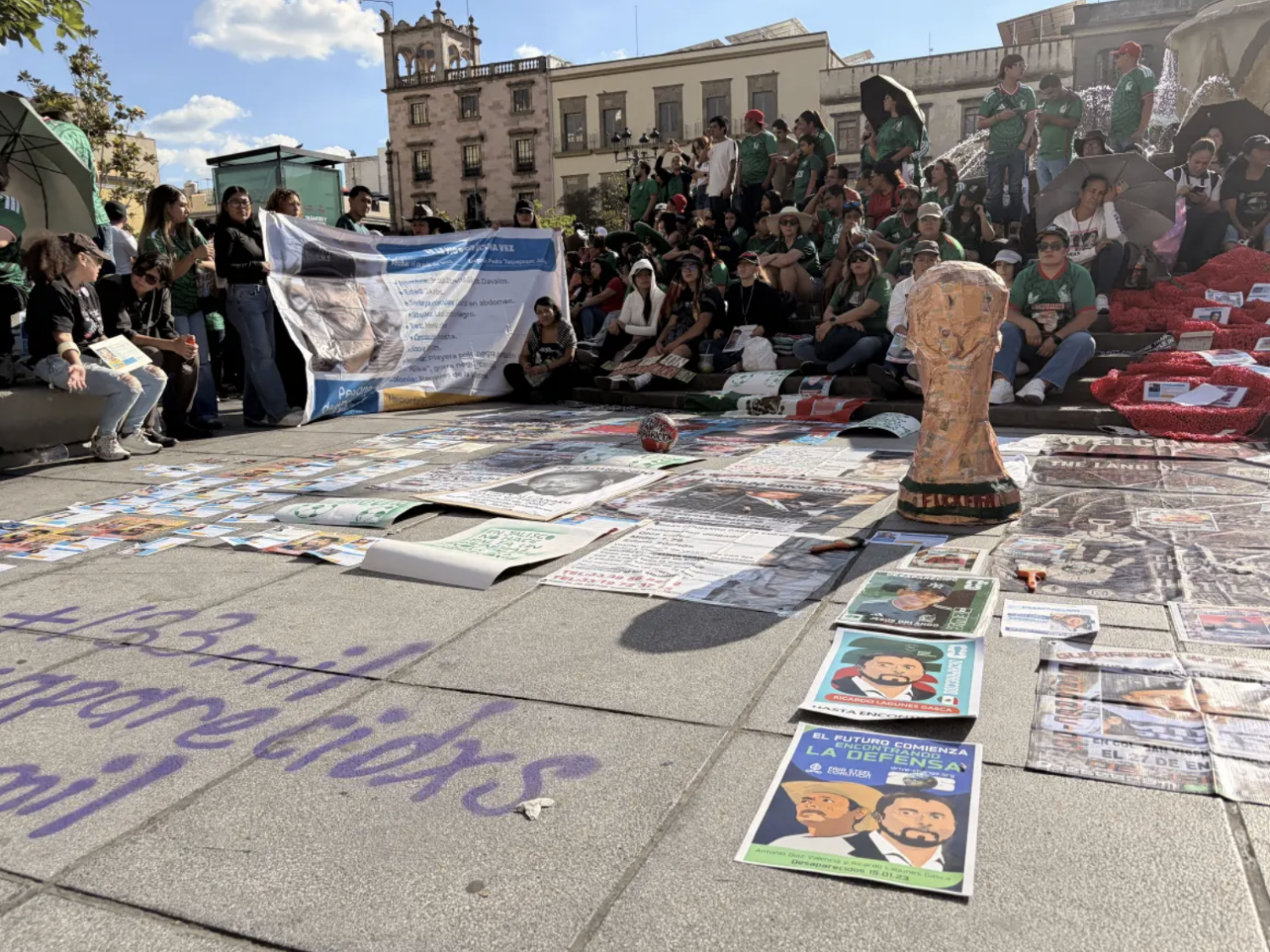
Every four years, the FIFA World Cup brings millions of people across different cultures, languages and backgrounds together from the first kick to the final whistle. But while many fans were focused on the pitch, a growing coalition of environmental, labour and human rights organizations came together to deliver a ‘red card’ to Hyundai, one of the World Cup’s biggest sponsors.
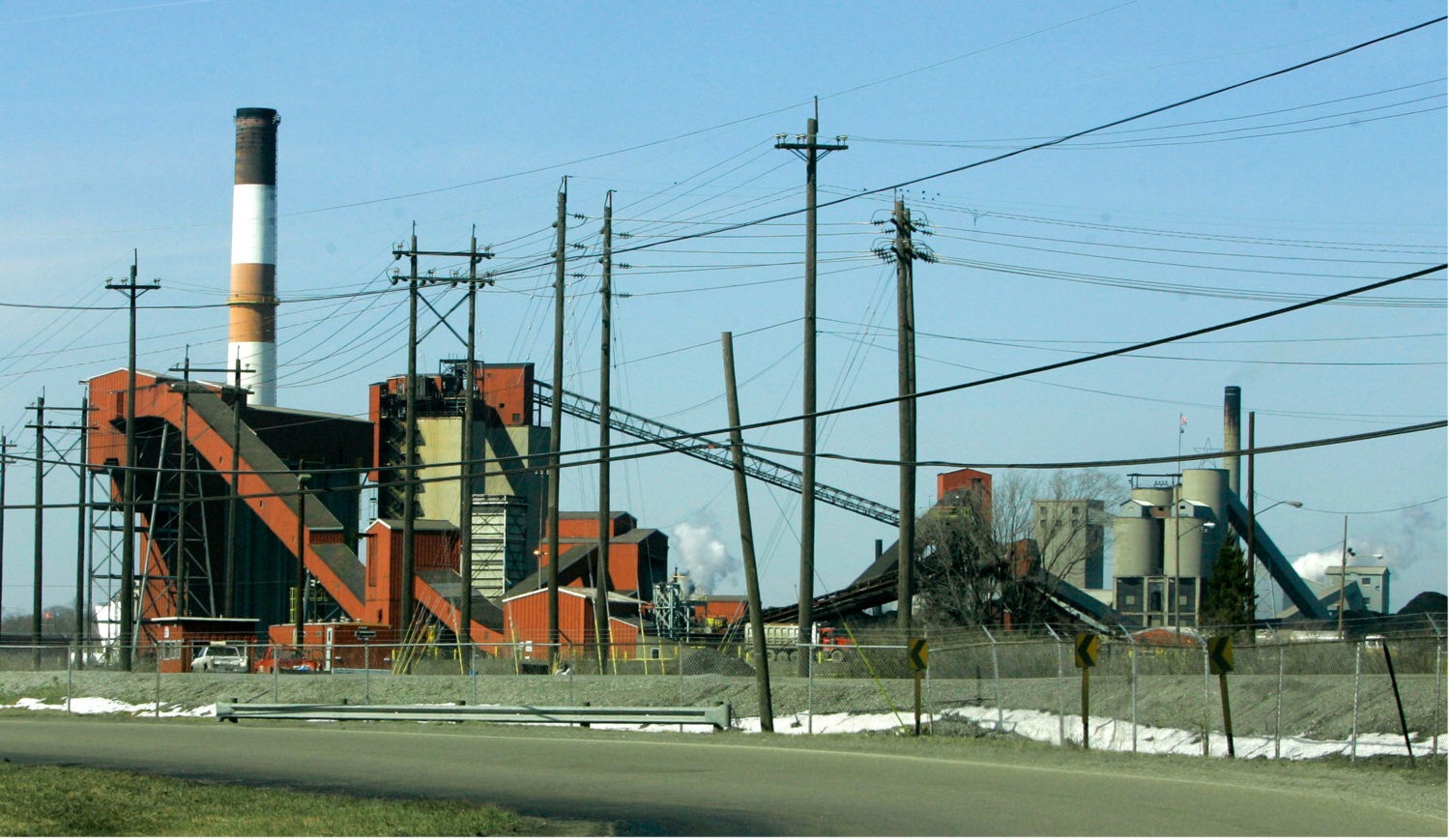
As millions of fans around the world watched the matches, communities, environmental groups and human rights advocates in Mexico, South Korea and the United States launched a co-ordinated global effort to challenge Hyundai Motor Company’s World Cup sponsorship. The message was straightforward: if Hyundai wants to present itself as a leader in the clean economy, it must also clean up the steel supply chain that underpins its vehicles. While Hyundai’s investments in electric vehicles (EVs) are an important step towards decarbonization, climate leadership cannot stop at EV production. The steel used to build those vehicles, along with human rights and environmental impacts, remains a critical part of a clean EV supply chain.