CEO Note: JBS targets Africa for massive land-grab
By Glenn Hurowitz, Founder & CEO
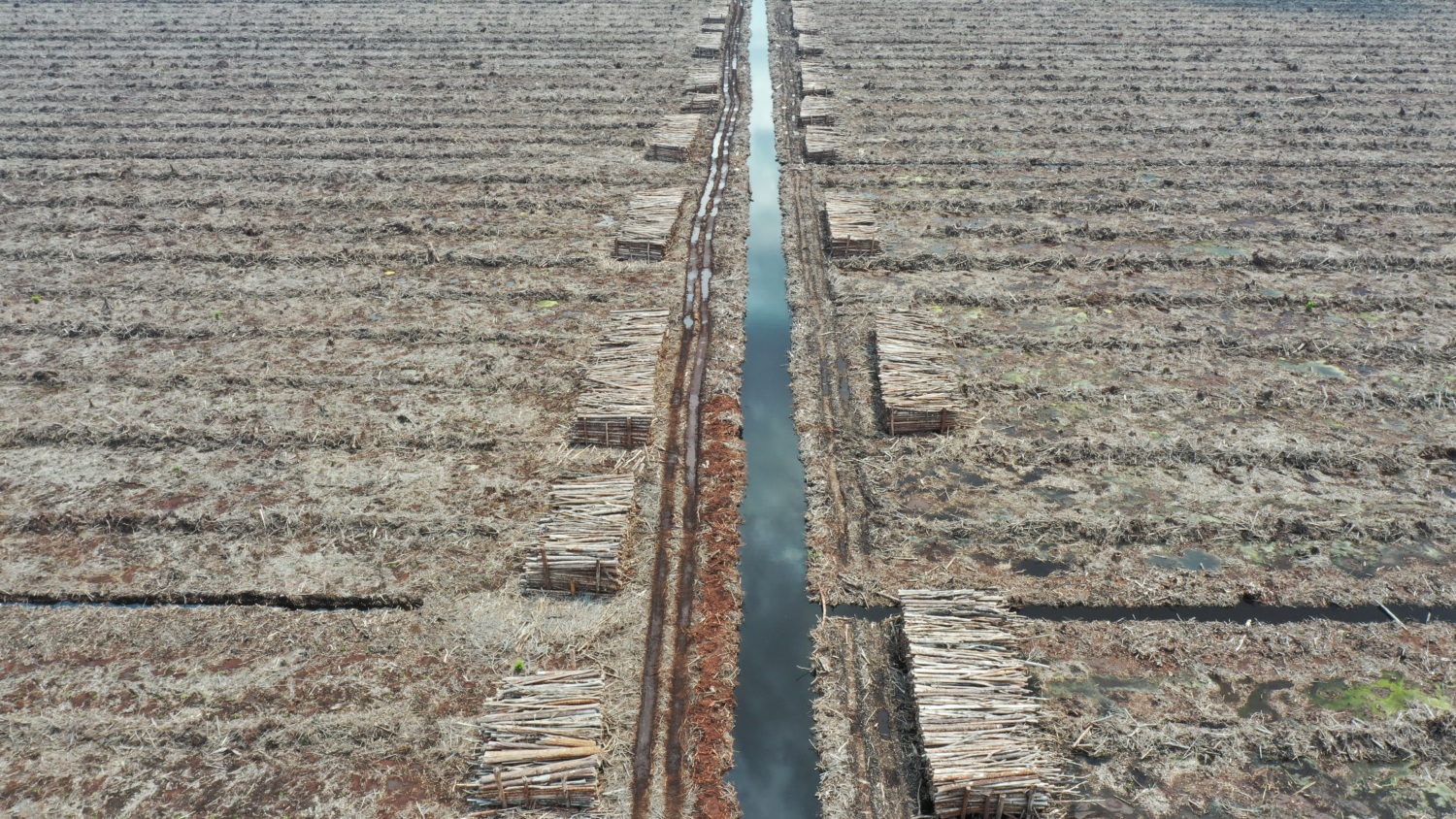
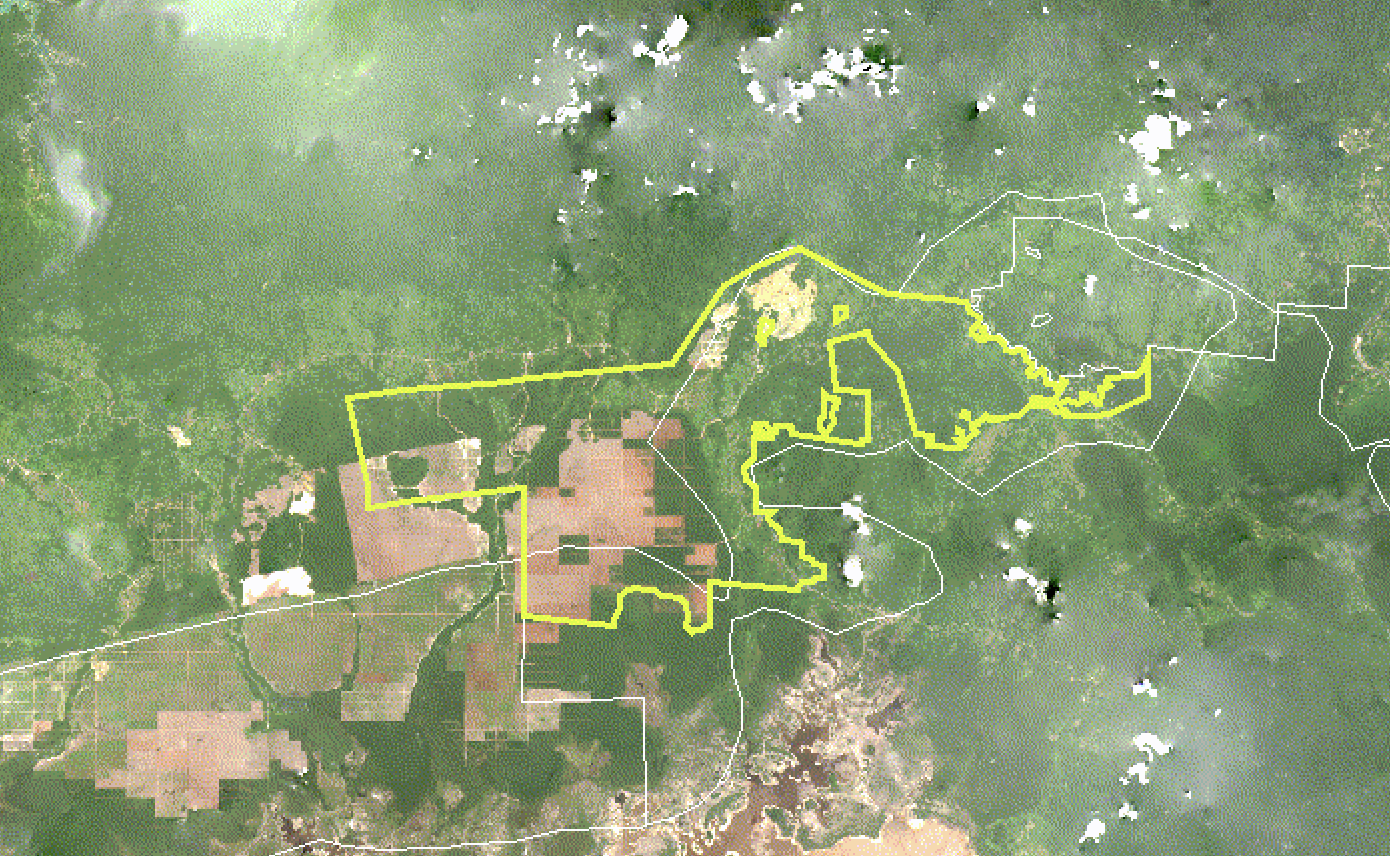
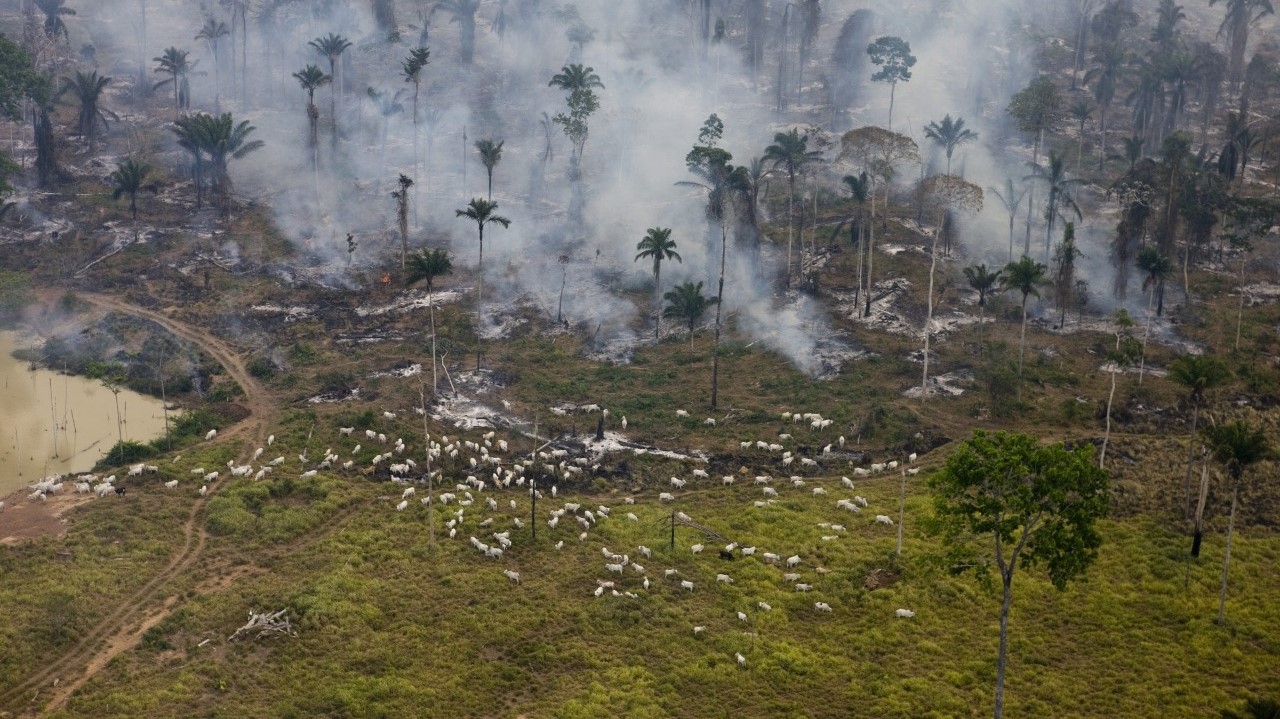
It’s deforested the Amazon. Now, JBS, the world’s largest meat company, is bringing its business model to Africa at a terrifying scale. The company has gotten a commitment from Nigerian state and federal governments for a mind-boggling 4600 square miles of land.
When Mighty Earth lodged our first submission with the U.S. Securities and Exchange Commission opposing plans for JBS to list its shares on the New York Stock Exchange three years ago, I said that there would be “profound implications for the planet if JBS, the world’s worst Amazon deforester, is given the go ahead to seek billions of dollars from Wall Street to continue tearing down rainforest, polluting on a vast scale, and driving land-grabbing.”
Despite years of delays, JBS – after making the largest single donation to the Trump inaugural committee – received approval for its IPO last year. And now we are seeing JBS embark on a dramatic expansion push, bringing its destructive meat industry model to forest frontiers in places like Indonesia, Australia, and Nigeria.
Half of JBS’s planned global expansion is focused on Nigeria, where it plans to construct six massive industrial meat-processing plants. And, as mentioned above, the government has committed 4600 square miles to the project – an area larger than the nation of Qatar, handed over to a multinational meat company.
We’ve continued to identify JBS purchasing beef from suppliers linked to destruction of ecosystems like the Cerrado and Amazon. Brazilian authorities are also seeking nearly $24 million in damages after finding JBS workers in its supply chain were laboring in “slavery-like” conditions.
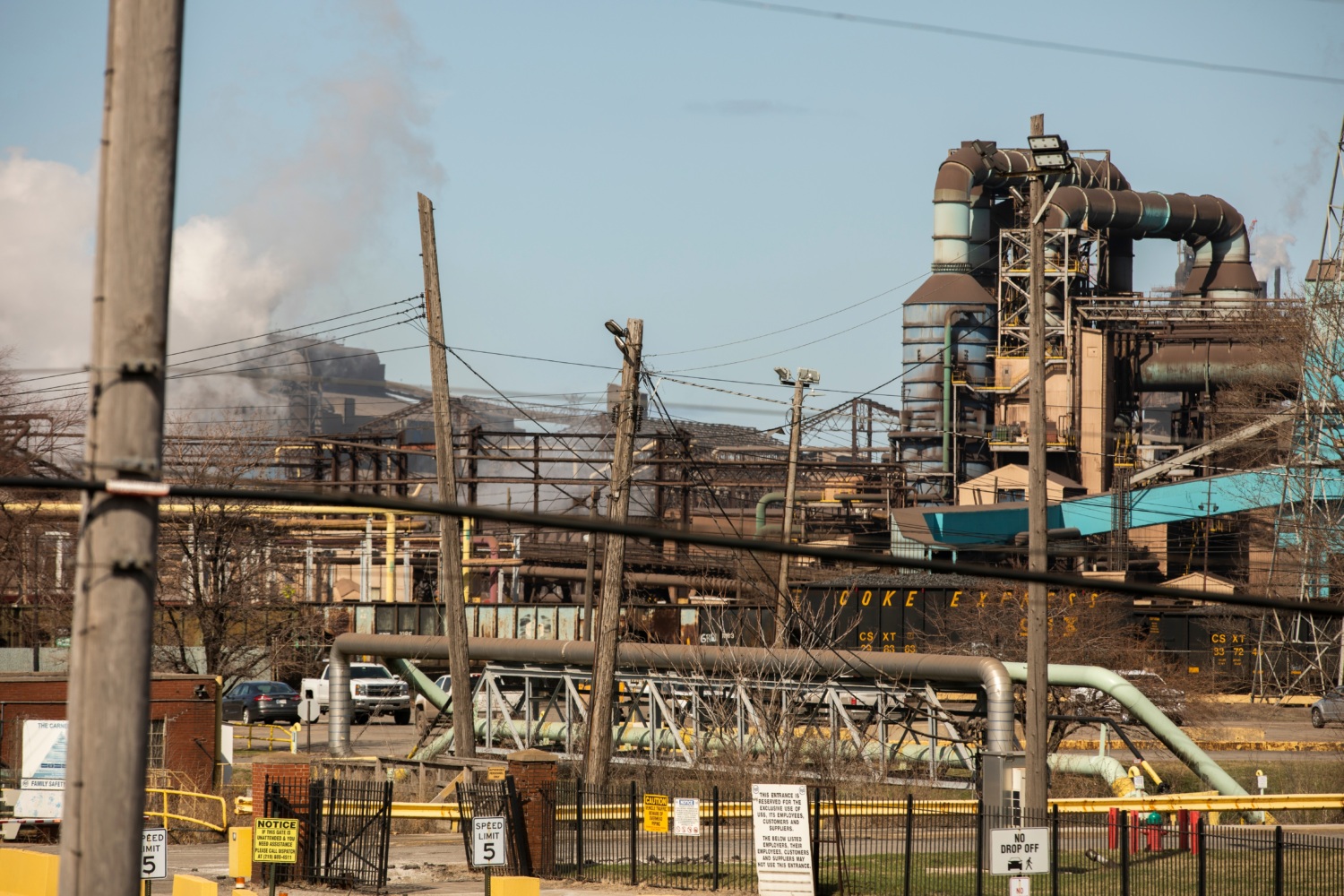
And in the United States, JBS has faced repeated fines for water pollution and just last year for using migrant children to do dangerous jobs in their slaughterhouses. That’s in addition to the $256 million they were fined for participation in a corruption scheme.
This is bad news for Nigeria, and portends an onslaught on Africa’s nature, Africa’s farmers, and the climate.
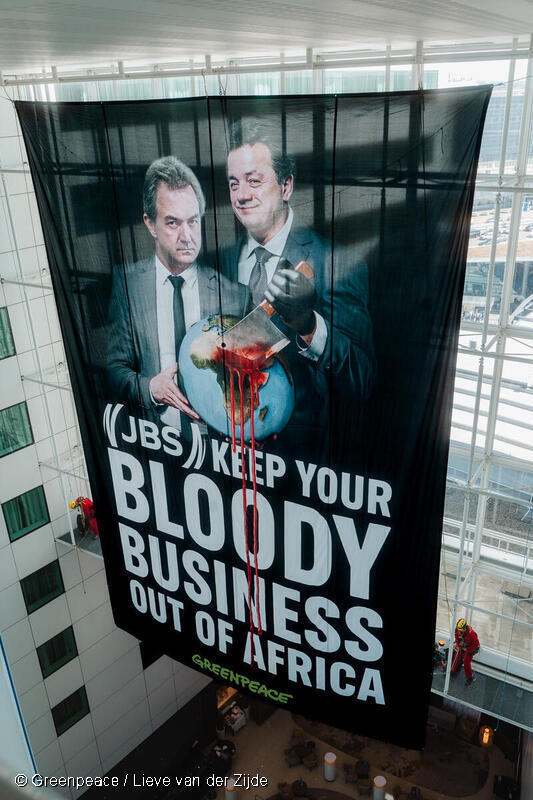
Even before this planned expansion, JBS’s climate emissions are already the size of the whole country of Spain. Fortunately, our friends at Greenpeace Netherlands – taking advantage of JBS’s new headquarters location in the Netherlands – has just launched a legal action demanding disclosure of its climate, nature, and human rights policies. This disclosure will then allow Greenpeace to challenge those policies directly in court, including JBS’s planned $6 billion global expansion. They paired their legal action with a dramatic protest at the redomiciled organization’s first shareholder meeting at its new headquarters. Welcome to the Netherlands, JBS!
Mighty Earth has a long history of working with communities in Africa to successfully stop international agribusiness from destroying forests and stealing land, while driving investment into sustainable production and clean energy.
We’re also keeping the pressure up on JBS by directly targeting their most important customers: the global retailers that purchase their products and must answer to consumers who care about climate and nature. That’s why Mighty Earth has been making sure climate was on the agenda at Ahold Delhaize’s recent shareholder meeting and holding Stop & Shop accountable for their climate footprint in the U.S. – if these supermarkets take their climate commitments seriously, they’ll have to reckon with their dirtiest suppliers first. And when JBS’s largest customers start demanding change, JBS will have to listen.
Thanks for your continued support.
—
© 2026. The text of this article is openly licensed under Creative Commons (CC BY-ND 4.0); you are free to copy and redistribute or republish the article in its entirety with attribution and credit.