RV Industry Must Stop Destroying Orangutan Habitat for Plywood
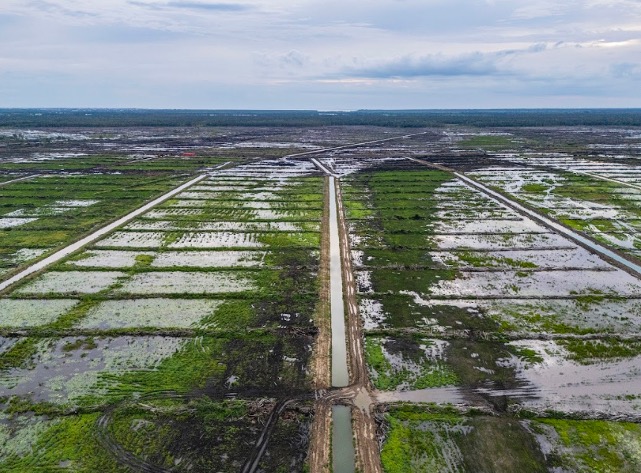
Mighty Earth is pushing the Recreational Vehicle (RV) industry to take responsibility for its role in deforestation. The industry has sourced tropical plywood from intact rainforest and orangutan habitat in Indonesia — particularly from the Mayawana Persada concession in West Kalimantan province on the island of Borneo — and used it in the interior walls of RVs. After Indonesian producers received subsidies for this plywood from the Indonesian government for years, the Department of Commerce investigated and issued countervailing duties to address the unfair Indonesian subsidies. In August of 2026, the International Trade Commission (ITC) voted to decide whether dumped and subsidized plywood from Indonesia, Vietnam and China harms the US plywood industry. The ITC found that the domestic industry is in fact hurt by imports of plywood from the countries in question, including from Indonesia, and the Department of Commerce will raise duties on these plywood imports accordingly. RV makers should find alternatives to tropical plywood to avoid being further implicated in deforestation and destruction of orangutan habitat.
For years, the RV industry has claimed that the walls of their vehicles need to be lined with a particular flexible and thin hardwood called meranti or lauan, which is sourced from the rainforests of Indonesia. RV makers and industry associations have lobbied the US government to continue to be able to receive subsidized Indonesian plywood to further reduce costs and improve access to meranti for use in RVs.
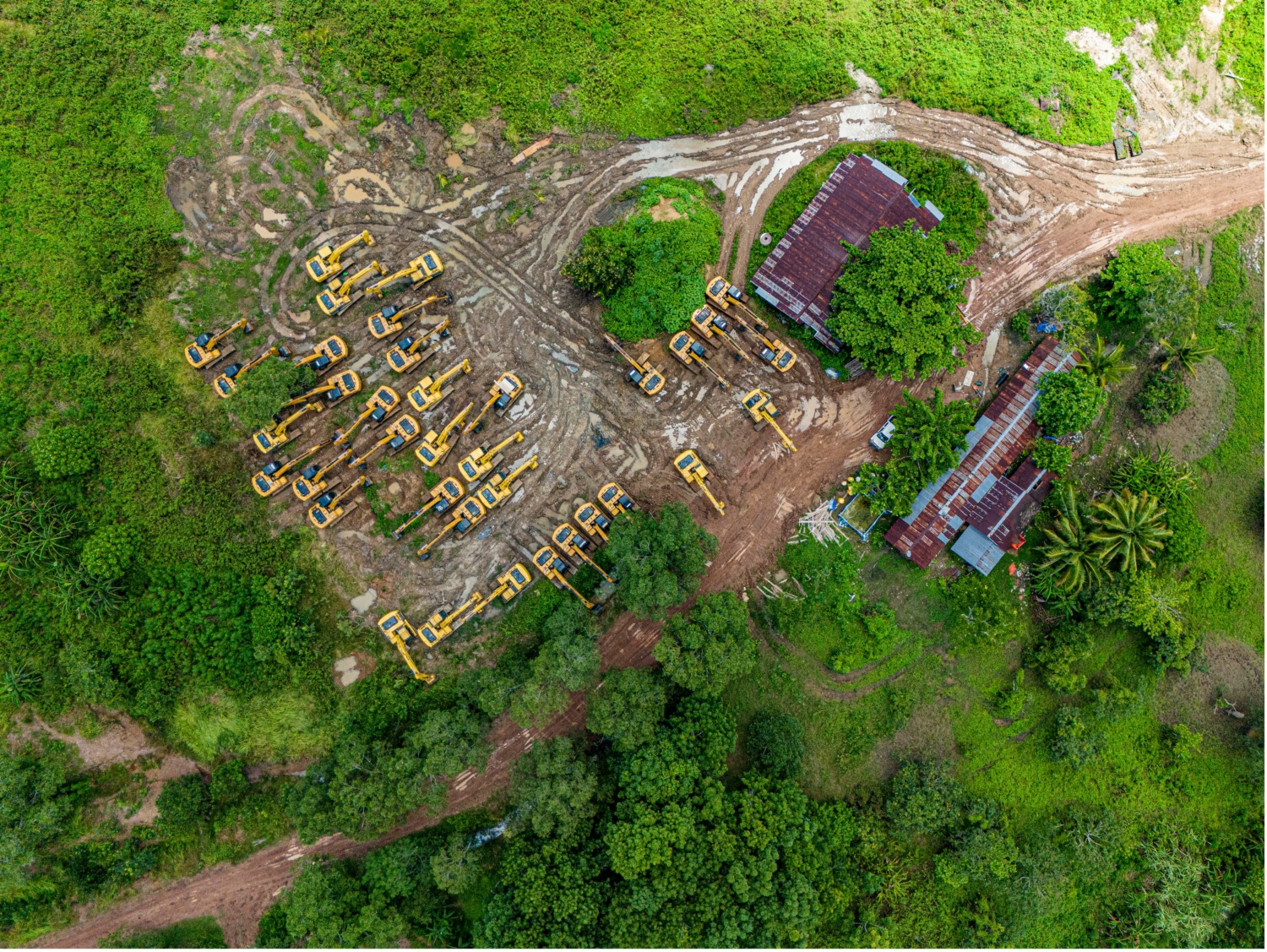
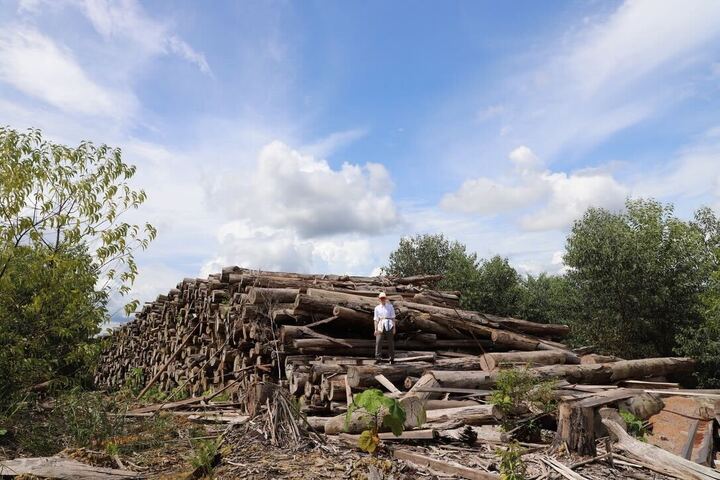
Earthsight, a global environmental watchdog, estimates that about 500 meranti trees are cut down every day in Indonesia to supply wood for RVs made in America. On the Mayawana Persada concession, intact forest and orangutan habitat have been cut down and shipped to the US for use in RVs. Mighty Earth has pointed out that the RV industry has no sustainability standards for imported timber, even though there is clear evidence that it comes from orangutan habitats, carbon-rich peatlands, or is taken from Indigenous communities.
Pushback Against Foreign Government Subsidies for RV Industry
In May 2025, U.S. plywood producers claimed that hardwood and decorative plywood from Indonesia, China, and Vietnam was being heavily subsidized and sold in the U.S. at unfairly low prices. The Department of Commerce investigated, agreed with these claims, and issued antidumping and countervailing duties to address the problem.
Now, the International Trade Commission will decide if this subsidized foreign plywood is harming the U.S. plywood industry. Wood products from these illegally harvested logs enter U.S. commerce, often as hardwood and decorative plywood, which are used in various products, including cabinets and recreational vehicles.
ITC to Weigh In
On August 19, the ITC will make its final injury determination. An important question for the ITC remains: can American companies supply these products instead?
Yes. In recent discussions, RV manufacturers told Mighty Earth that all the wooden parts needed in an RV, including even very thin and lightweight parts, can be made using species other than Meranti. There are multiple alternative wood species available in the United States that can be sustainably harvested and used by domestic manufacturers to produce hardwood and decorative plywood for the same end-use applications as illegally harvested Meranti.
On August 19, 2026, the ITC voted, finding that the domestic industry is in fact hurt by imports of plywood from the countries in question, including meranti from Indonesia. The Department of Commerce will raise duties on these plywood imports accordingly.