Waste From Pharmaceutical Plants in India and China Promotes Antibiotic-Resistant Superbugs
STAT First Opinion by Henry Waxman and Bill Corr
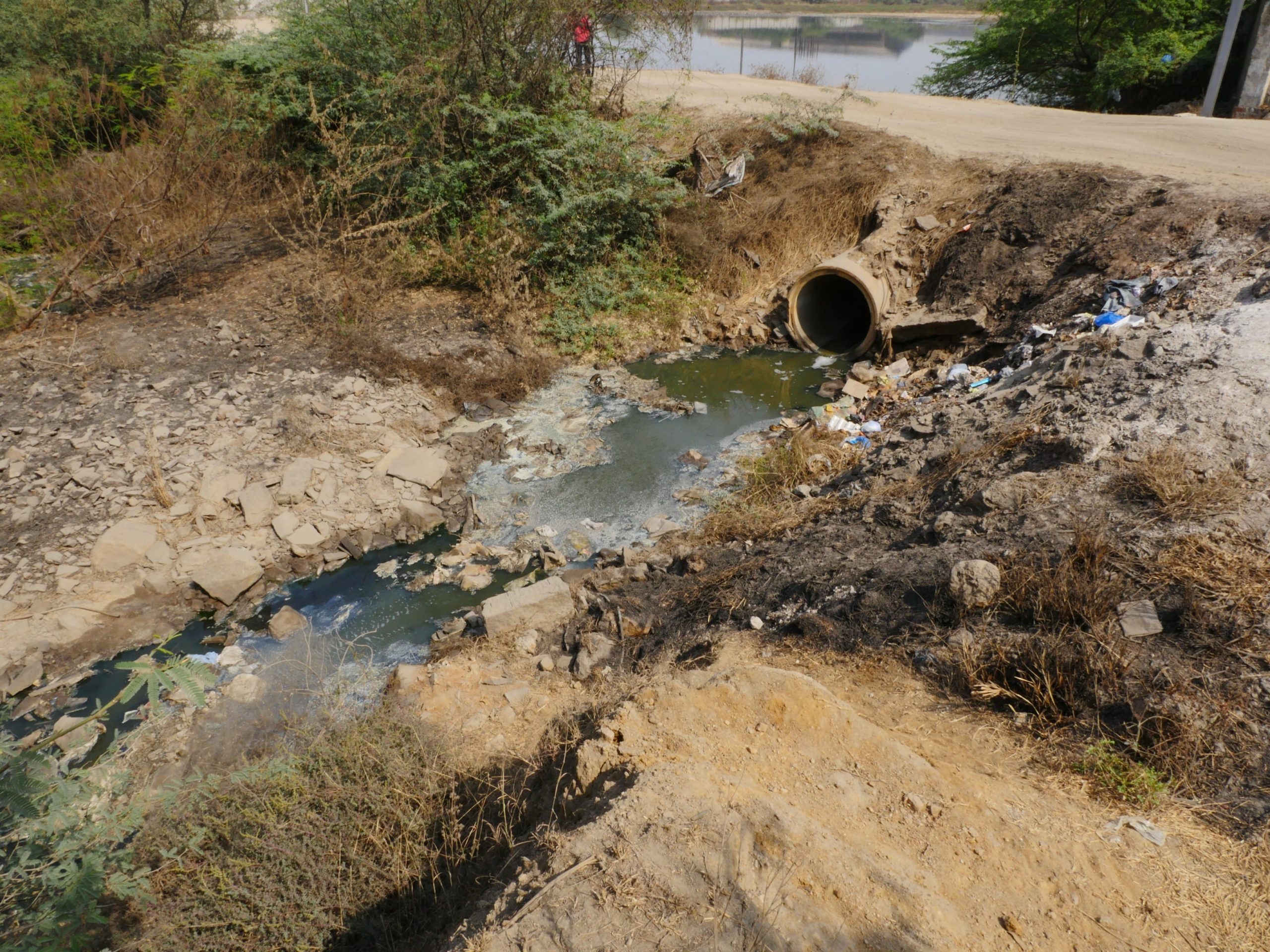
Pharmaceutical pollution of any type can be deadly, threatening habitats and poisoning drinking water. But antibiotic pollution doubles down on the dangers. The release of antibiotics into soil, streams, rivers and lakes creates a perfect storm for antimicrobial resistance to develop and spread.
This isn’t just a local disaster, because superbugs have no respect for national borders. Microbes travel freely through air and water. Bacteria are carried in livestock and agricultural products, which move across countries and continents as part of the global food system. And the ubiquity of international aviation means that antibiotic-resistant bacteria in people can travel thousands of miles in a matter of hours.
No physical barrier can be erected to prevent the spread of superbugs. Instead, they must be stopped at their source. Four vital steps can help reduce, if not eliminate, antibiotic pollution due to drug manufacturing.
Read more on STAT.