How far will First Borneo go? Rainforest ravager caught again laundering deforestation palm into global market
September 2026: A new investigation by Mighty Earth caught rainforest ravager First Borneo once again selling to global supply chains. This time, the company was found laundering palm fruit from one of its concessions in West Kalimantan to mills as far as nearly 400km by road.
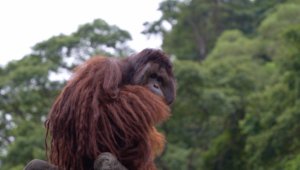
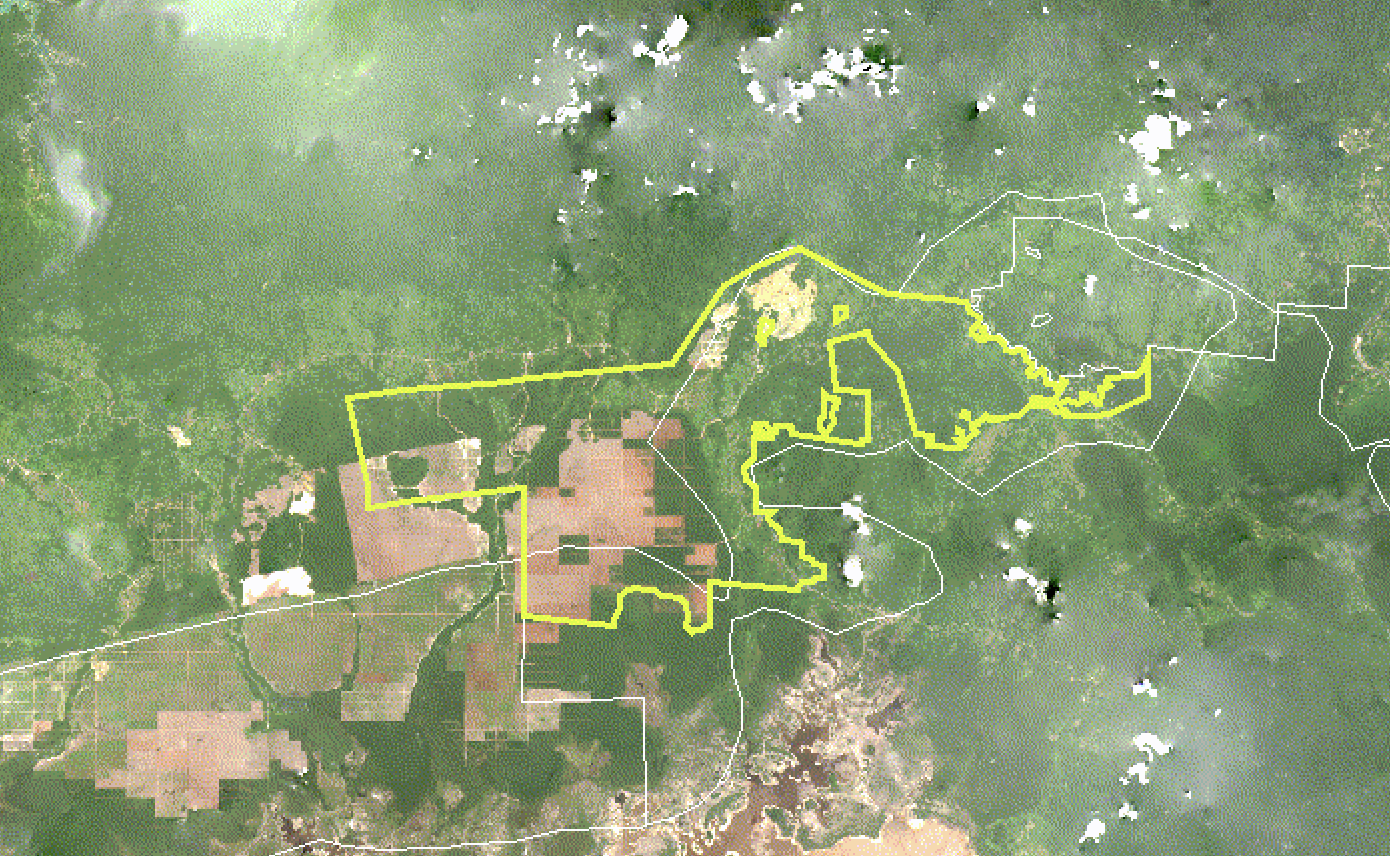
First Borneo remains a high-risk ‘leakage’ supplier as the group continues clearing rainforests and precious orangutan habitat in its PT Equator Sumber Rezeki concession in the West Kalimantan region of Indonesian Borneo.
First Borneo caught selling to LX International Group and Longjin International Group
A new investigation by Mighty Earth revealed that the First Borneo group is still supplying deforestation palm fruit Fresh Fruit Bunches or FFB to the global palm oil supply chain.
This time, First Borneo’s PT Borneo International Anugerah has traded its palm fruit to the PT Wahana Plantation & Products (Longjin International Group) and PT Tintin Boyok Sawit Makmur (LX International Group) mills, the latter being nearly 450 kilometers away by road.
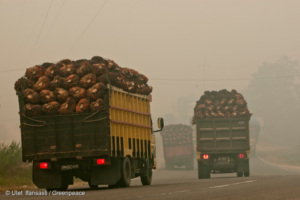
Despite many buyers placing First Borneo’s palm oil on a ‘No-Buy’ list, the leakage actor persists in selling its palm fruit to mills in West Kalimantan. These mills trade palm oil that ends up around the world, regardless of company NDPE (No Deforestation, No Peatland development, No Exploitation) policies or key traders’ high-level engagement ‘with mills that may be at risk of sourcing from First Borneo.’
Planet satellite timelapse of clearing in PT Equator Sumber Rezeki (Dec 2023-Sept 2026)
Our previous blog on the First Borneo case details how leakage actors take advantage of improved road networks to transport Fresh Fruit Bunches from deforestation to mills hundreds of kilometers away. Palm oil companies sourcing from mills in West Kalimantan should conduct forensic due diligence and contact suppliers within a 500km radius (as the crow flies) of non-compliant entities, including First Borneo.
First Borneo palm fruit is entering the supply chain of major consumer brand companies, such as the Hershey Company, General Mills and Mondelez. The good news is that palm oil traders are acting on persistent leakage by First Borneo, following Mighty Earth pushing companies to proactively enforce their No Deforestation policies with suppliers.
Group caught using ‘deceptive tactics’ to launder palm oil into NDPE supply chains
In the Riau Province of Sumatra, First Borneo was caught by Apical for using ‘deceptive tactics […] to bypass [PT Gemilang Sawit Lestari] monitoring controls. This involved the use of Surat Pengantar Buah [material delivery letter] by another supplier. Additionally, the truck was unable to be detected by [PT Gemilang Sawit Lestari] because there was a switching of vehicle number plates before entering the mill.’
A recent in-depth investigation by Apical confirms this claim; the same investigation uncovered that First Borneo’s PT Bintang Riau Sejahtera was still trading palm fruit (FFB) to the PT Gemilang Sawit Lestari (PT GSL) mill. All this is despite PT Gemilang Sawit Lestari previously notifying ‘all its FFB suppliers regarding the sourcing restrictions of PT.GSL, which includes specific instructions not to receive FFB from [First Borneo’s PT Bintang Riau Sejahtera concession].’
Evidence collected during Mighty Earth’s investigation was confidential and therefore not shared with Apical, but the company investigated the case regardless.
Traders Act on New Findings
Mighty Earth has asked companies who source from the LX International Group and the Longjin International Group to conduct their own forensic investigation into mills sourcing palm fruit (FFB) from First Borneo’s concessions in West Kalimantan. In doing so, companies can keep this repeat offender out of supply chains for good – or risk being complicit in its continued destruction of rainforest and critical orangutan habitat.
Traders have responded to this investigation by engaging with the LX International Group, which promptly committed to cease sourcing from First Borneo’s concession in West Kalimantan and has put measures in place with employees to ensure no further supply will be accepted. These investigations verified that First Borneo was trading with the Tintin Boyok Sawit Makmur mill, nearly 450 km road from the concession it bought palm fruit from (PT BIA).
To date, traders sourcing from Longjin International Group have not managed to get the group to stop sourcing from First Borneo. Action is still needed, and the investigation continues.
‘No Buy’ Policies Without Rigorous Enforcement
While having a ‘No Buy’ stance on First Borneo it is a positive first step, it is only a statement of what should be done and still requires proactive action and measures to enforce it. The case of First Borneo demonstrates that companies do not have full traceability to the plantation areas they source from. Without full traceability, companies will not meet the high standard that will be enforced by the European Union Deforestation Regulation, to be implemented in December of 2026.