CEO Note: Next steps on Indonesia’s “food and energy estates”
By Glenn Hurowitz, Founder & CEO
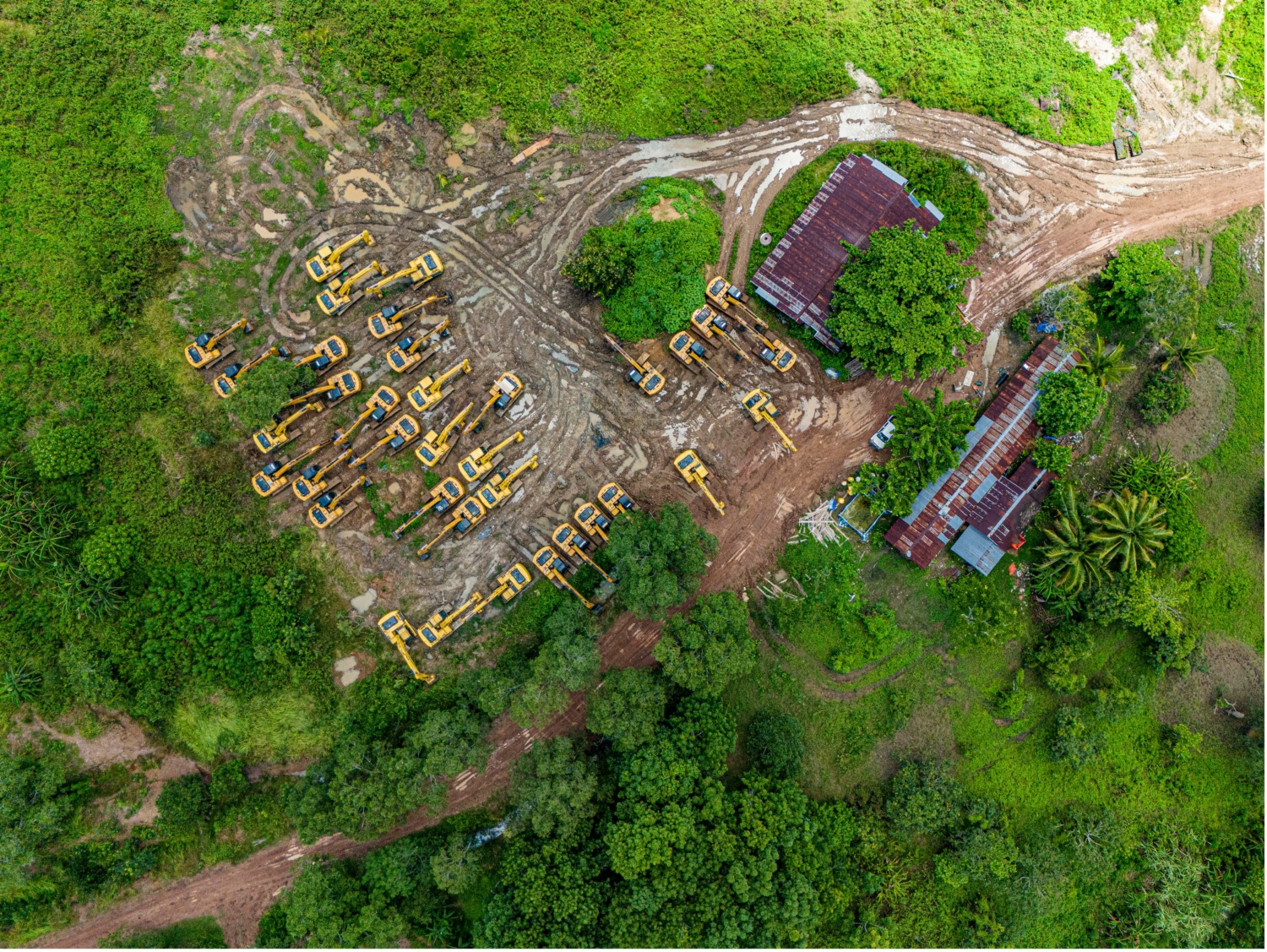
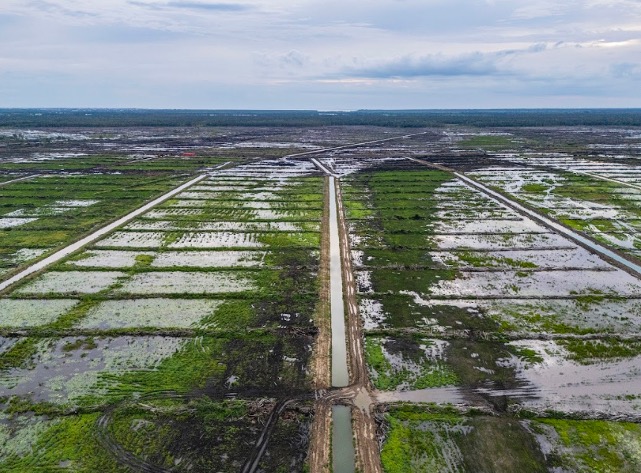
Earlier this week, we welcomed the Indonesian government’s announcement that it would end deforestation for the Food and Energy Estates, the project to bulldoze more than 4 million hectares of forest, peatland, savanna and other ecosystems across Papua, Kalimantan, Sulawesi, and Sumatra to make way for rice, sugarcane ethanol and other plantations.
But what comes next for the “world’s largest deforestation project?” And how will Mighty Earth and our allies work to ensure that the promises made by government officials turn into real action to protect communities and forests on the ground?
The Food and Energy Estates project has already destroyed more than 50,000 hectares of habitat for endangered species like tree kangaroos and birds of paradise in Papua…and dispossessed many communities of their land. It has sparked steadfast resistance.
Now, the Indonesian President’s Special Envoy for Environment and Climate Change Hashim Djojohadikusumo (the President’s brother) and his Special Envoy for International Trade and Multilateral Cooperation Mari Elka Pangestu have announced that the government will stop plantation expansion into forests, and rechannel the development onto Indonesia’s millions of hectares of previously deforested, degraded lands, instead of intact ecosystems.
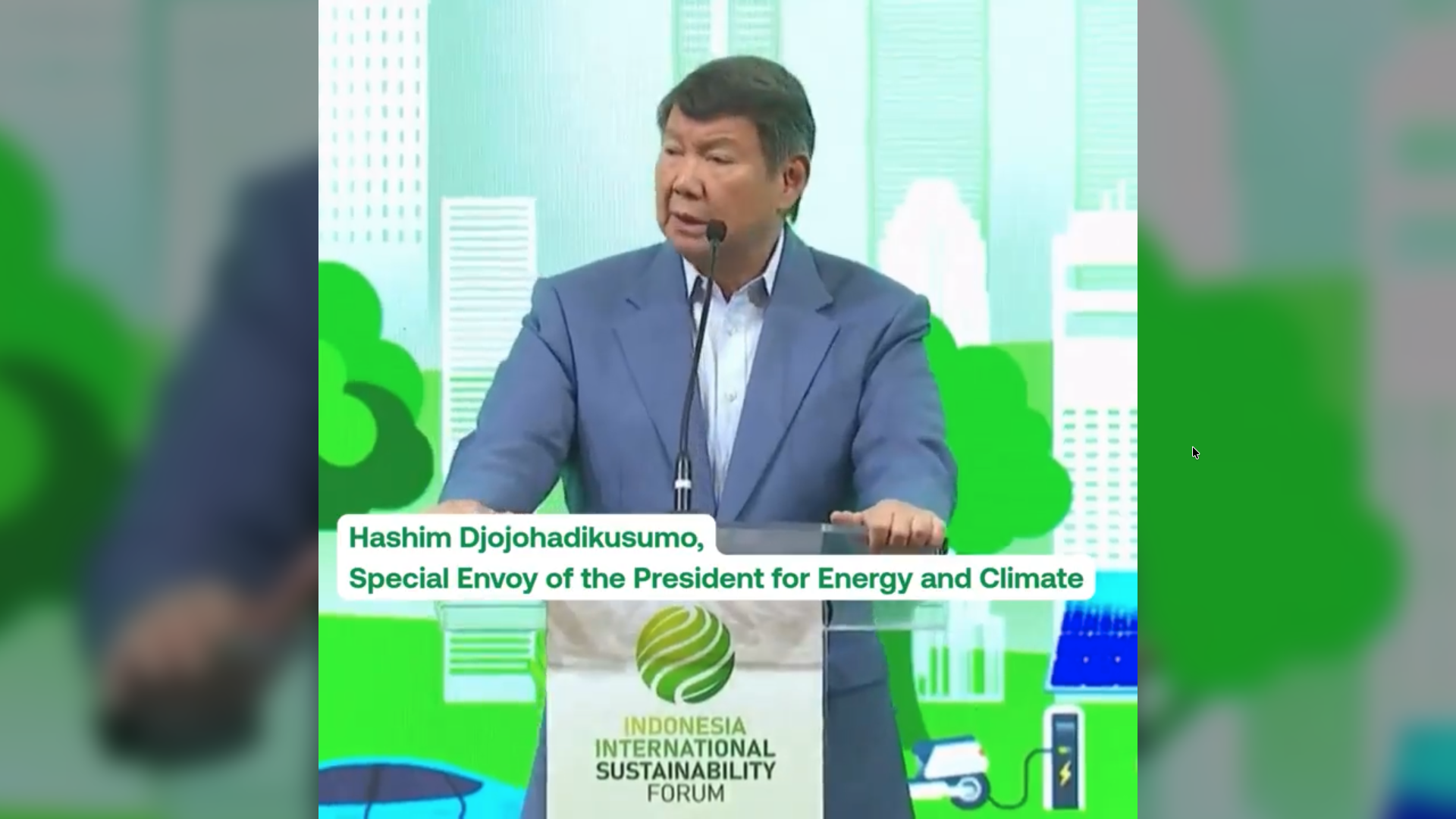
Pak Hashim:
I’d like to make a major announcement. Now, because of our success in reaching rice self-sufficiency, the Government of Indonesia would like to announce especially by the Minister of Agriculture through me the Special Envoy, that the Ministry of Agriculture and the Government feels at the moment that it does not need to expand the further cultivation of rice in so-called forest areas.
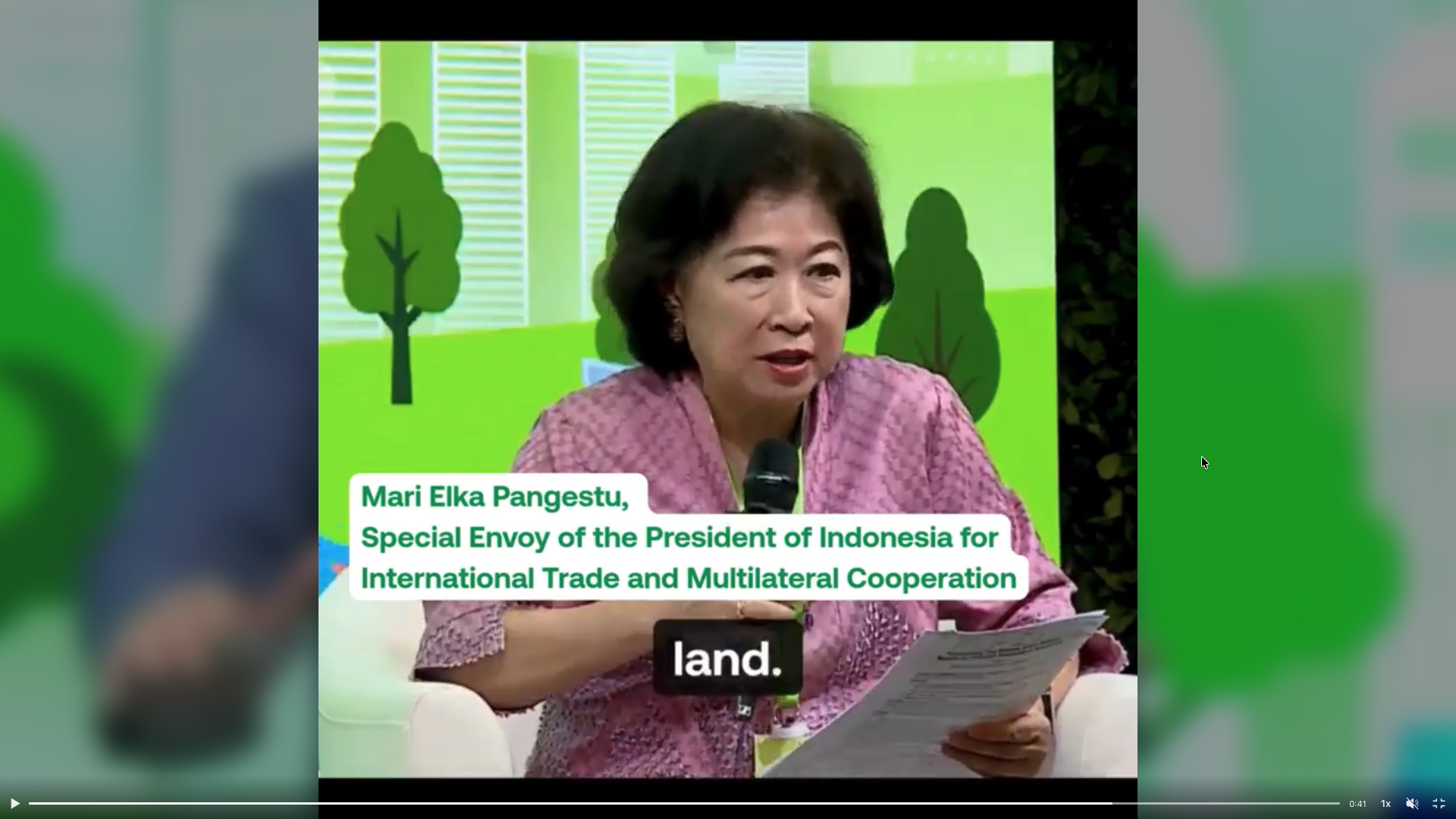
Ibu Mari Pangestu:
Because we have been quite successful meaning that the 2 million hectares that were announced for food production are no longer needed. And he told me he forgot to say it and he asked me to add this message, is that, to have increased food and and biofuel production, moving forward, we will be using degraded land…The missing part of that message is…We have over 12 million hectares of degraded land that can be used, for this, and he asked me to say on his behalf that he did discuss this already with the Minister of Agriculture and the Minister of Forestry, and they agreed that any future production of food or biofuel production will be using degraded land, and it is part of the forestry ministry program of afforestation, reforestation, and revegetation.”
These twin announcements signal a huge move from the government of Indonesia, and a real sign of progress in the protection of forests and communities that builds on previous progress in reducing deforestation. We’re excited especially by the pathway it opens for large-scale investment in conservation and restoration in Indonesia in support of the government’s goal of restoring 12 million hectares of native ecosystems. That would be a program of planetary significance that could suck gigatons of carbon out of the atmosphere.
For the last two years, we’ve worked alongside Indonesian and international partners to support an alternative to destruction of these resources.
Its success, of course, will depend on effective implementation, including clear next steps for healing damage to affected communities, restoring nature, and importantly, ensuring that these programs include and respect the rights of local communities.
Towards that end, we are supporting the call by Solidaritas Meruake, a coalition facilitated by leading Indonesian civil society organization Suara Pusaka, which has been working closely with Papuan communities to resist the destruction of their community land, for key policy and implementation actions, including:
- Respecting rights of local communities in agriculture, degraded lands, and restoration projects.
- Terminating the damaging food and energy projects in South Papua.
- Revising regulations, stopping road construction, and other steps.
The details:
“Solidaritas Merauke sees this announcement as the government’s initial response to the struggles of Indigenous People and local communities affected by food and energy projects across the country, particularly in South Papua, which has become a battleground for resistance….
“Solidaritas Merauke questions the use of the term ‘degraded land’ when it is defined solely in terms of biophysical measures or economic productivity, without taking into account the area’s ecological functions, biocultural values, and traditional knowledge. Local communities should be involved in decisions about the development and use of natural resources in their territories. As both rights holders and holders of knowledge derived from generations of living, using, protecting, and caring for their land, their input is invaluable….
“…This statement should be followed by concrete action, such as terminating PSN Food and Energy projects in South Papua and other parts of Indonesia, as these projects have caused social and ecological damage. The government should immediately issue official policies to this effect, such as revising Regulation of the Coordinating Minister for Economic Affairs No. 16 of 2025 by removing food and energy projects from the National Strategic Projects (PSN) list. Alternatively, a presidential decree could be issued to halt the South Papua PSN and take legal action to regulate company activities in this area, thereby preventing the continued destruction of lowland forest ecosystems and the livelihoods of indigenous communities.”
They also called for stopping construction of a major road that was built to facilitate the deforestation of rice, cancelling the Forestry Minister Decree 591 and relevant permits.
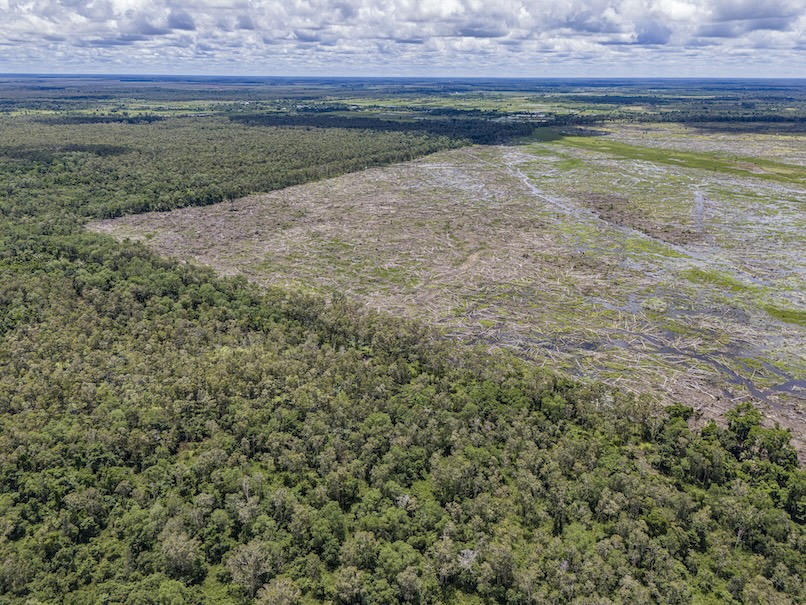
We’re hopeful about the direction of the Indonesian government, but it will require engagement with, and support for local communities across Indonesia to make these promises an on-the-ground reality. Many Indonesian organizations and Mighty Earth will be closely monitoring and driving implementation, and working to deploy the resources necessary to help achieve Indonesia’s enormous potential for nature and climate.
—
© 2026. The text of this article is openly licensed under Creative Commons (CC BY-ND 4.0); you are free to copy and redistribute or republish the article in its entirety with attribution and credit.