Report: The Human and Environmental Toll of Nickel Mining in Indonesia
Read the Report
Executive Summary
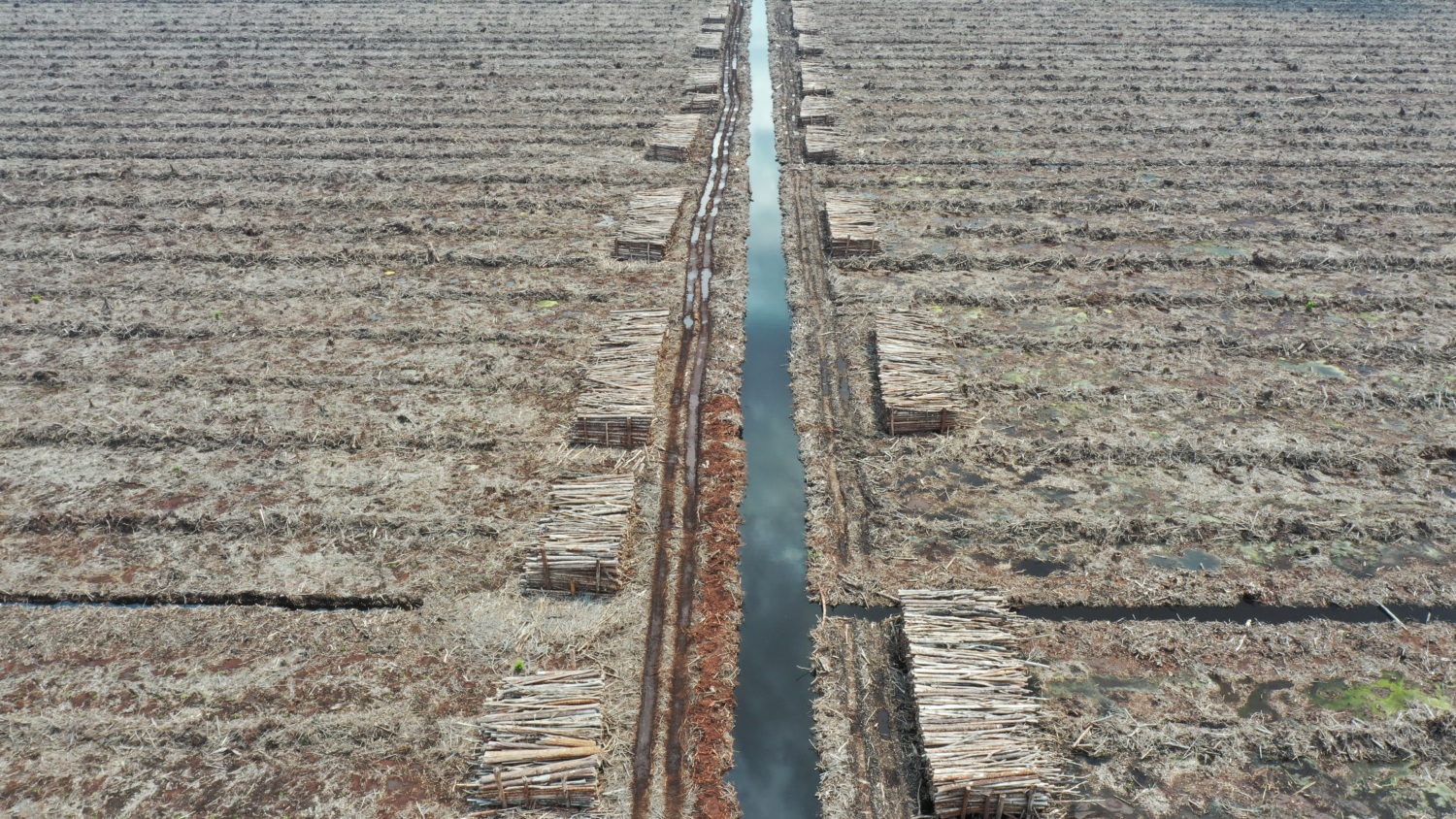
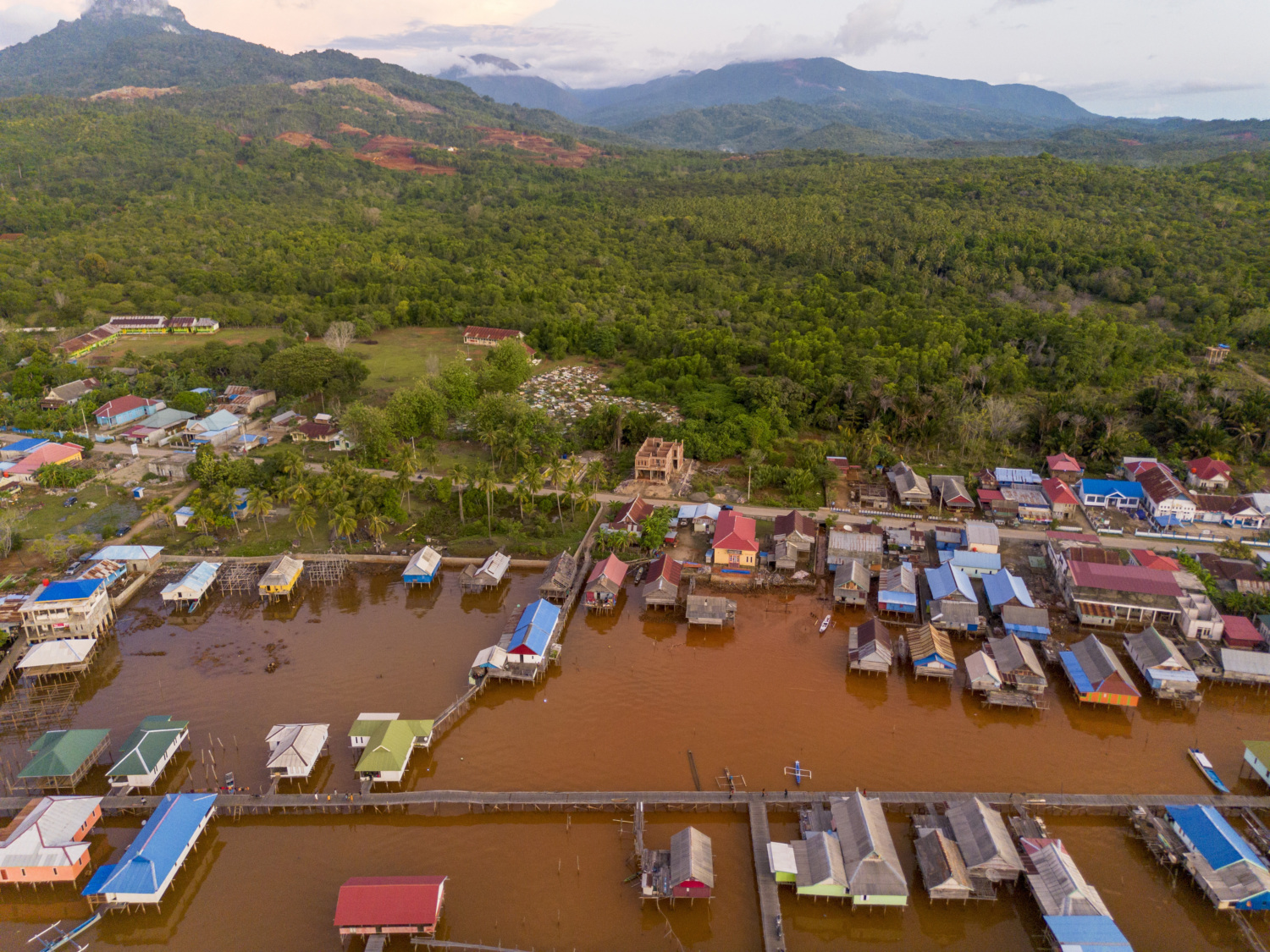
Kabaena, a small island off the coast of the southeast tip of Sulawesi, Indonesia, has been ravaged by irresponsible nickel mining, causing serious health impacts to the Bajau people, the last remaining sea nomads, that call the island home. Despite an Indonesian constitutional court ruling that banned mining on small islands in 2014, islands like Kabaena – which is rich in biodiverse forests, terrestrial and marine wildlife, and home to around 47,000 people – continue to be exploited for nickel, a precursor for stainless steel and an increasingly desirable mineral used in electric vehicle batteries.
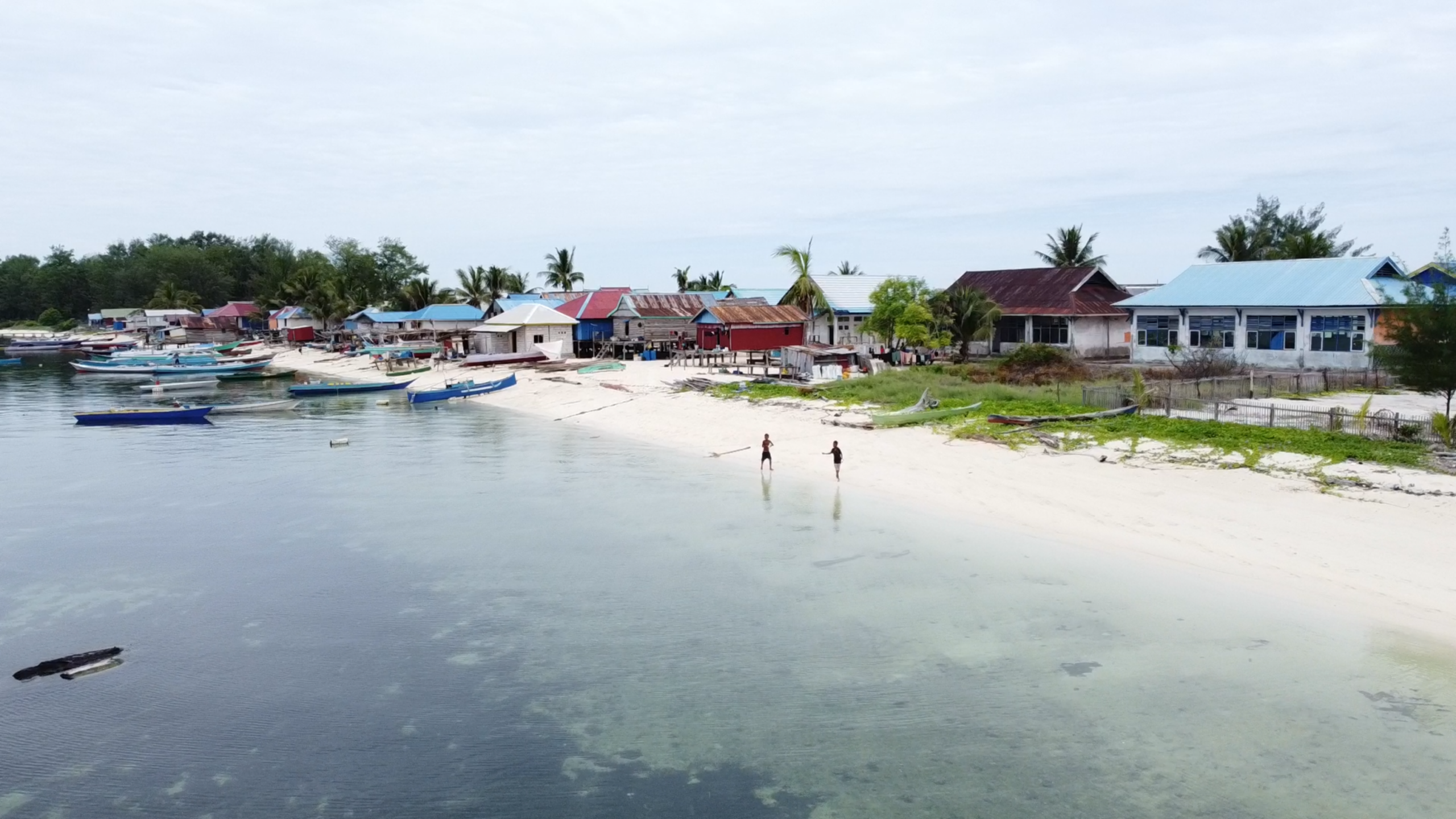
Indonesian NGOs Satya Bumi, WALHI Southeast Sulawesi, and Sagori, have worked with communities on Kabaena to document and expose the grave human rights violations, deforestation and destruction of marine and terrestrial ecosystems taking place at the hands of the nickel mining industry. Severe health impacts, revealed through surveys and interviews, and seafood and urine sampling, show the presence of metals like cadmium, lead and of course nickel in the ecosystem and diet of the Bajau people, which can lead to health problems like kidney and liver damage, cancer, neurological toxicity, cardiovascular toxicity, skin reactions and reproductive problems. In other words, nickel is in the water, food, air and bodies of Kabaena’s residents.
On Kabaena, nickel mining started at a large scale 19 years ago. Since then, we know of four children that have drowned off the shores of Kabaena, having fallen in the polluted water with their parents unable to see and rescue them due to lack of visibility in the murky water. Historically, Bajau children have been taught to swim and dive from as young as two or three years old. Now, younger generations are not being taught to swim, as parents are concerned about their children swimming in the polluted water. In March 2025, another child drowned in the waters off Baliara village in Kabaena, as she had not been taught to swim and could not be seen by rescuers in the murky water.
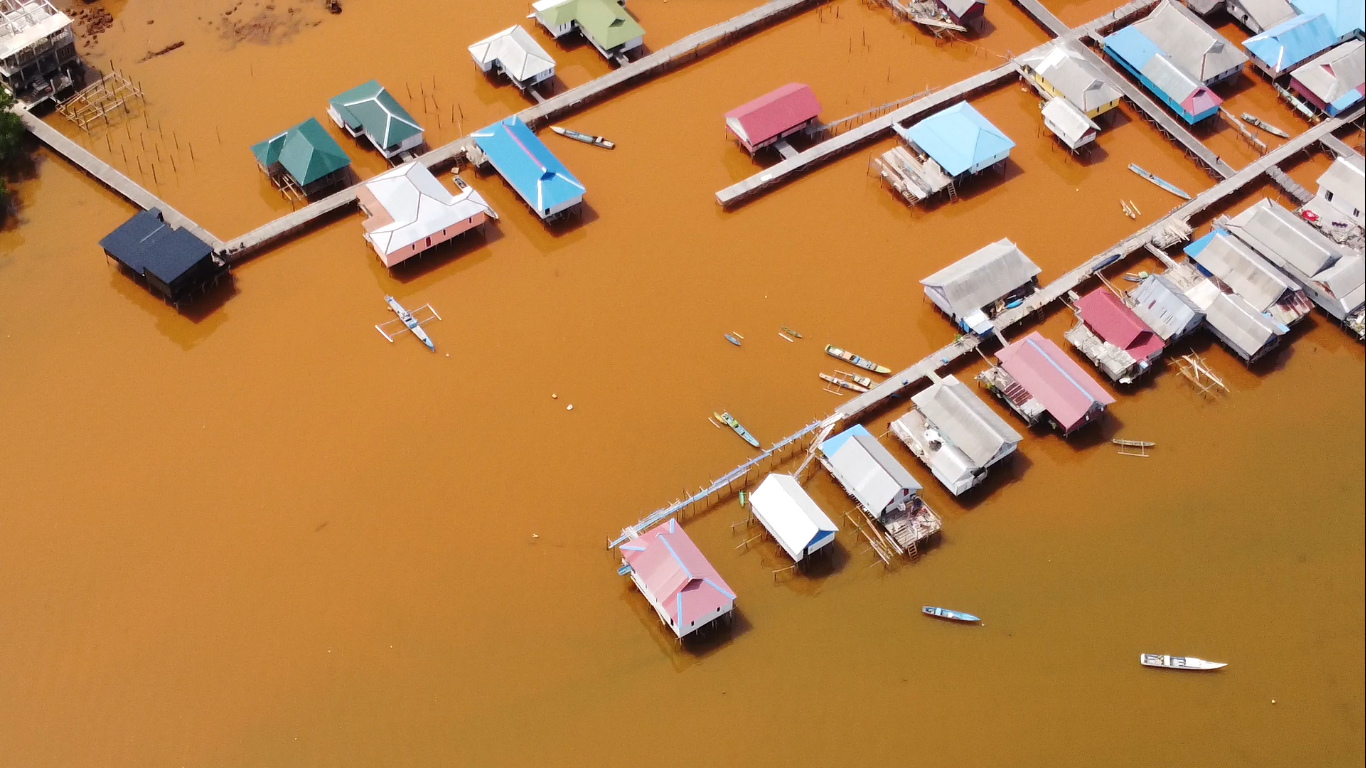
The purpose of this briefing is three-fold: first, the evidence of health impacts shows that Kabaena must be off limits for mining. The Constitutional Court in Indonesia ruled that small islands have special protection from mining and other dangerous activities that threaten the ecosystems of these vulnerable areas. The Bajau people need a clean-up of the island, access to healthcare, and compensation. Second, Kabaena illustrates the severe consequences of irresponsible mining; this report aims to show that failing to follow legal requirements and private sector guidelines will result in ecological disasters. Third, this report demonstrates a decisive way that downstream actors can assert their market power through strict and transparent sourcing strategies, including the suspension and exclusion of mining operations that violate human rights and cause immense environmental destruction.
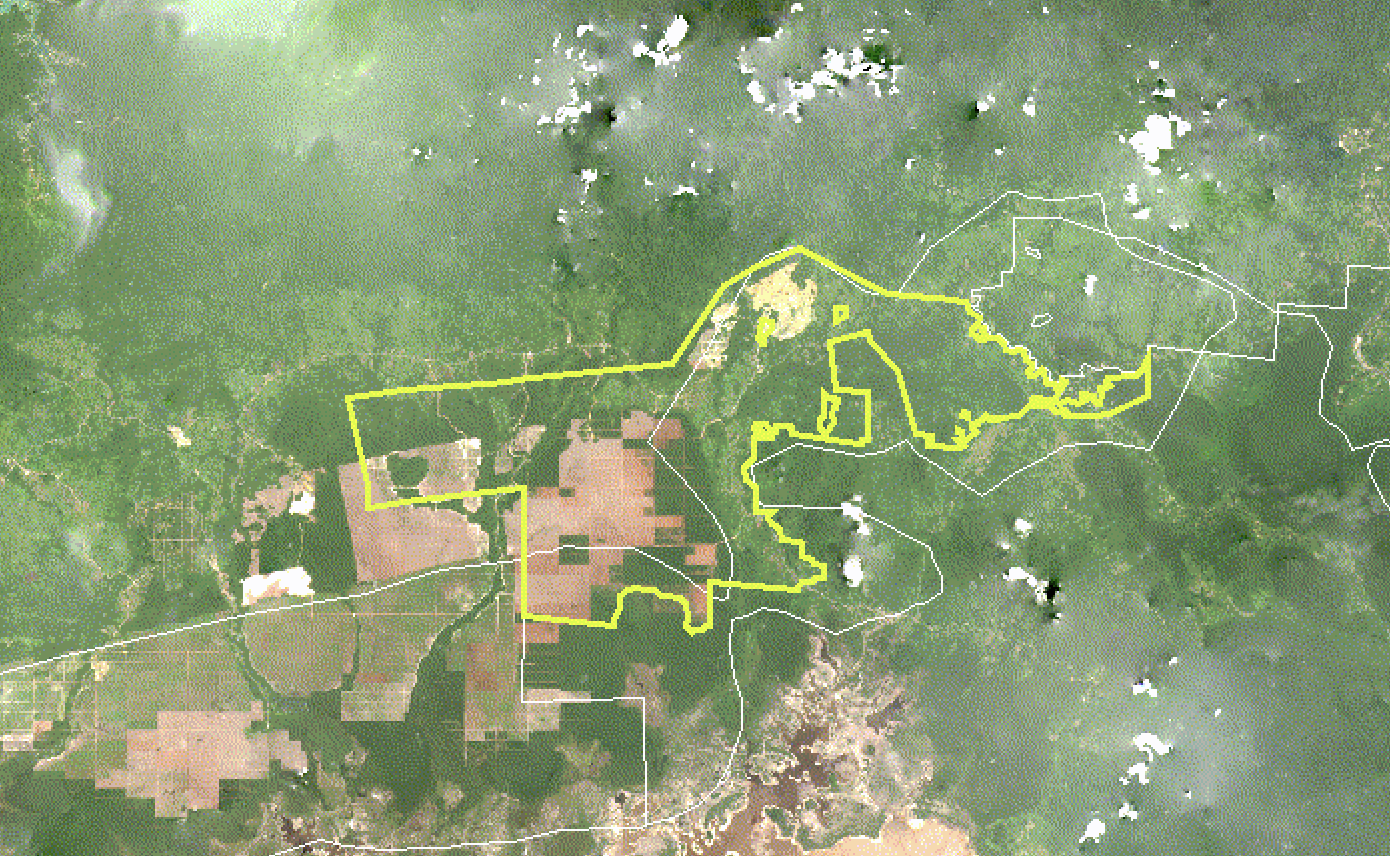
Nickel from Kabaena’s destructive mining industry is connected to well-known global auto companies including Ford, Volkswagen, BMW, Mercedes Benz, Stellantis, Volvo, Toyota, Tesla, Honda and GM – thoroughly undermining the green credentials that many of these companies are touting through their growing electric vehicle ranges. Kabaena’s 14 concessions are listed as an “excellent resource” in Huayou Cobalt’s profile report for it’s Pomalaa Industrial park (IPIP). IPIP includes a High Pressure Acid Leach (HPAL) plant – a joint venture between Ford, Vale Indonesia and Huayou Cobalt.
Ford, Vale, and Huayou have been directly informed of the violations and illegal activities on Kabaena and yet in subsequent communications, the companies have not been able to offer any clear and public commitments to suspend current or future business relations with nickel mining companies on the island. This severe lack of transparency and clarity from Ford, Huayou and Vale leaves open the possibility that nickel linked to human rights and environmental abuses is entering their global supply chains.
We are at a critical moment to address the catastrophic issues happening in Kabaena. By ending all mining on Kabaena, we have an opportunity to prevent further damage to Kabaena’s unique ecosystem and the people that depend on it. As smelting operations are rapidly expanding in the surrounding region, poised to process more nickel that will make its way into global EV and stainless steel supply chains, auto makers and stainless steel manufacturers must urgently look into their supply chains and ensure that they are not sourcing from Kabaena or other locations where similar violations to human rights and the environment are occurring.
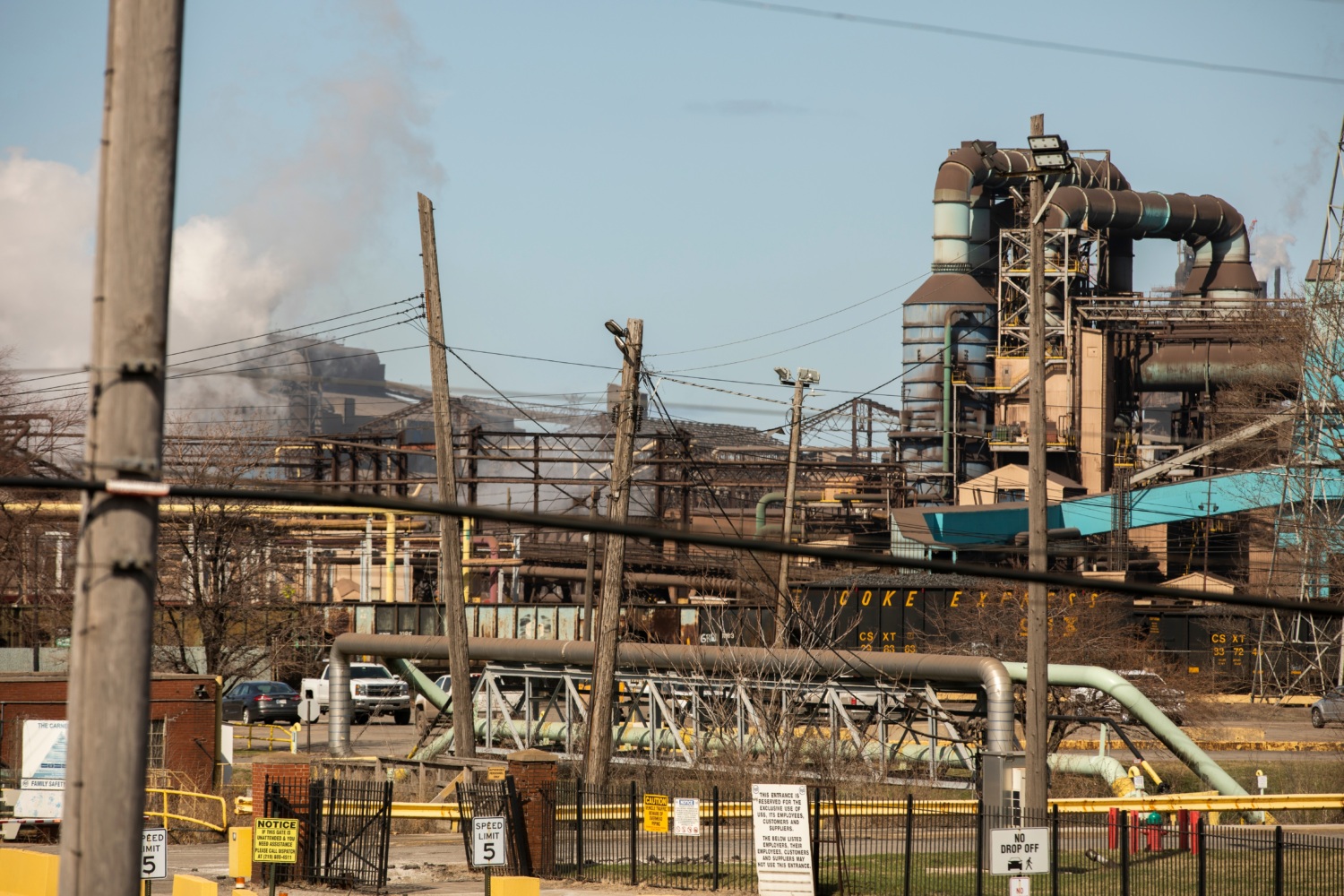
The new HPAL facility in Pomalaa has an opportunity to learn from previous mistakes seen in Indonesia’s industrial parks. Major industrial parks including PT Indonesia Morawali Industrial Park (IMIP) and PT Indonesia Weda Bay Industrial Park (IWIP) have been complicit in countless human rights and environmental violations caused directly by industrial operations, as well as their mineral sourcing. Through their joint venture in Pomalaa, scheduled to begin operations in 2026, Ford, Vale, and Huayou can demonstrate a stronger model by establishing rigorous environmental and social safeguards. These should include meaningful Free, Prior and Informed Consent (FPIC) with local communities, an absolute commitment to not using captive coal, and clear, enforceable sourcing requirements — including strict no-buy lists for fragile ecosystems such as Kabaena.
Kabaena is just one island where the destructive impacts of nickel mining are already being felt. Similar stories are unfolding across Indonesia. Despite countless examples of the catastrophic impacts of irresponsible mining and processing across Eastern Indonesia, auto companies are still silent.
This trajectory is not inevitable. Indonesia can build a nickel sector that is more responsible and far less damaging to people and the planet. But as long as companies further down the supply chain — including battery, EV and stainless steel manufacturers — continue to profit from “dirty nickel” and shield abusive suppliers, communities will suffer, ecosystems will collapse, and the energy transition will reproduce the same injustices it claims to end.
Recommendations
END MINING ON KABAENA & ALL SMALL ISLANDS
- Mining and downstream companies should investigate their supply chains to identify if materials are being sourced, or planned to be sourced, from Kabaena, and transparently publish their supply chains back to the mine level.
- Mining companies must immediately end all mining activities on Kabaena and all small islands and commit to no future mining in these areas.
- Downstream companies including refiners and battery, steel and auto manufacturers should commit to not sourcing mined materials from Kabaena and all small islands.
- The government of Indonesia should review all mining licenses in small islands and revoke permits in forested areas and those that do not comply with the law banning mining on small islands in Indonesia.
PROVIDE HEALTHCARE AND COMPENSATION
- Mining companies in Kabaena and companies directly and indirectly sourcing from Kabaena should:
- provide urgent healthcare services to communities in Kabaena that have been adversely impacted by mining operations, including medical, psychological, and economic support for losses and human rights violations that happen in the Island;
- provide resources and materials to communities whose food and water sources have become unsafe to consume.
- The government of Indonesia should assess metal exposure among the Bajau community on Kabaena Island and all communities near mining sites in Indonesia; and provide access to public services to treat any associated health impacts.
CLEAN UP & PREVENT ENVIRONMENTAL DAMAGES
- Mining companies in Kabaena must immediately initiate a programme to restore and rehabilitate all areas that have been damaged due to mining operations.
- The government of Indonesia must control every waste disposal process of every nickel mine in Indonesia, preventing a recurrence of the Kabaena incident;
BY SECTOR
MINING COMPANIES
- Provide urgent healthcare services, material support and compensation to communities experiencing adverse health impacts from mining activities
- Restore the environmental damages caused by mining activities and land clearance for mining sites
- Commit to implement Free, Prior and Informed Consent (FPIC) of Indigenous and local communities, including the right to withhold consent to the development of nickel infrastructure.
- Implement strong environmental and social safeguards in mining operations, as instructed by the document of OECD Due Diligence Guidance for Responsible Supply Chains of Minerals.
DOWNSTREAM COMPANIES: MANUFACTURERS & END USERS
including auto companies and stainless steel manufacturers:
- Cease sourcing nickel from Kabaena and other small islands, and make these exclusions publicly binding.
- Conduct mine-level traceability and transparency of sourcing practices across the supply chain.
- Commit to implement Free, Prior and Informed Consent (FPIC) of Indigenous and local communities, including the right to withhold consent to the development of nickel infrastructure.
- Support remediation and healthcare funding in communities affected by their supply chains, including through direct financial contributions or partnerships with trusted NGOs.
- Implement robust due diligence and risk assessments, including regular audits, to identify and prevent human rights and environmental violations.
- Integrate IRMA or equivalent environmental and social performance benchmarks into procurement standards and contracts.
THE GOVERNMENT OF INDONESIA
- Enforce the constitutional ban on mining in small islands and protected forest areas; revoke licenses that violate these protections.
- Hold mining companies accountable for environmental crimes and violations of forestry and health laws.
- Launch a comprehensive national health screening program in communities exposed to nickel mining pollution, beginning with Kabaena.
- Invest in water and health infrastructure in Kabaena and other impacted areas.
- Ensure transparent license reviews and prohibit new permits in ecologically and socially sensitive areas, including those in close proximity to Indigenous Peoples land, areas of high conservation value (HCV), and marine conservation areas.
- Mandate mine-level traceability and ESG due diligence for nickel supply chains operating in the country.
- Strengthen enforcement of waste and tailings management laws, particularly in flood-prone regions.
CONSUMER COUNTRY GOVERNMENTS
- Require companies to disclose mine-level sourcing of critical minerals like nickel as a condition for importing goods.
- Implement mandatory human rights and environmental due diligence legislation, aligned with UN Guiding Principles and OECD guidelines.
- Offer technical and financial support for community-led environmental remediation in areas affected by mining, including Indonesia.
- Support and incentivize responsible sourcing frameworks such as IRMA in global trade agreements and procurement rules.
- Fund independent monitoring and civil society oversight in nickel-producing regions.