Policy Briefing: Identifying risks of deforestation and illegality in EU rubber imports
A Guide for Enforcement of the EU Deforestation Regulation
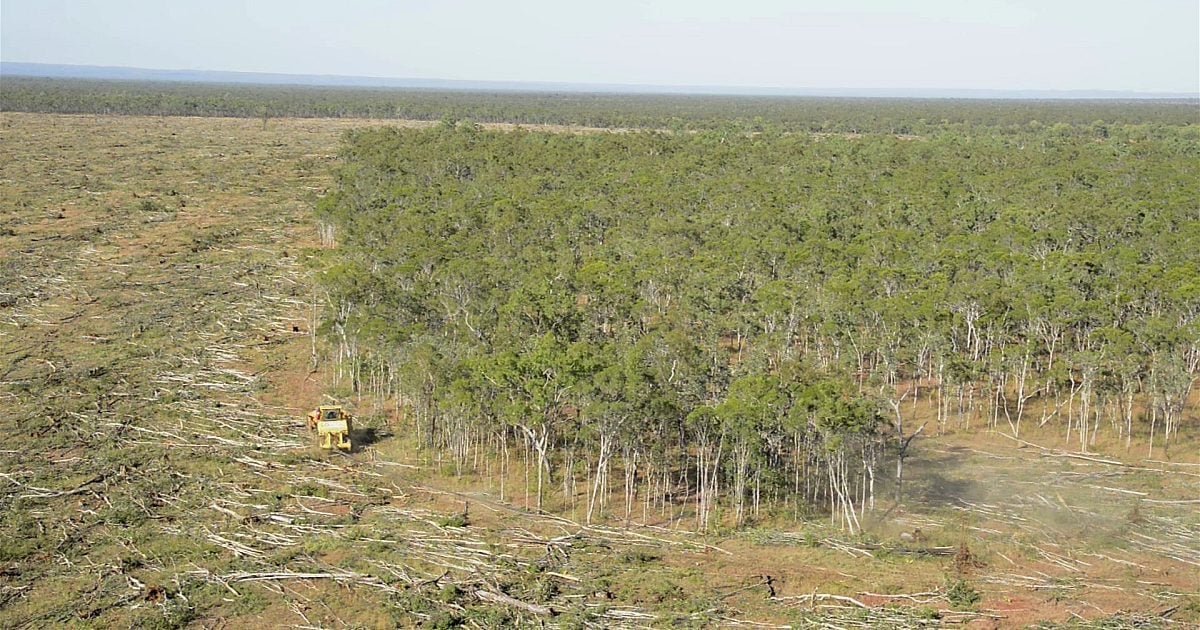
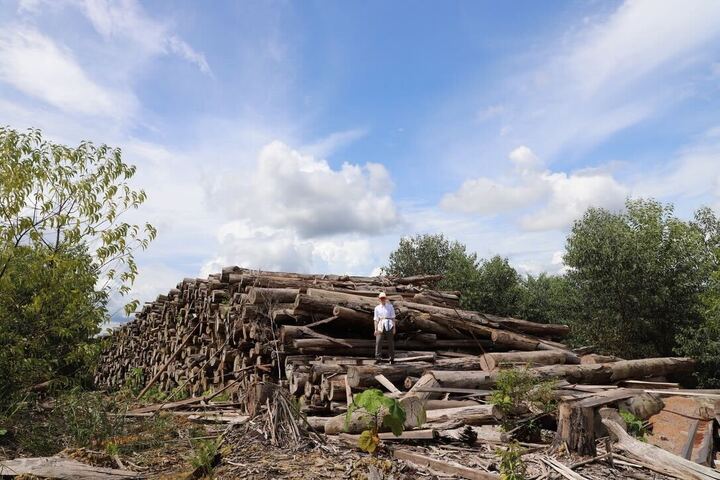
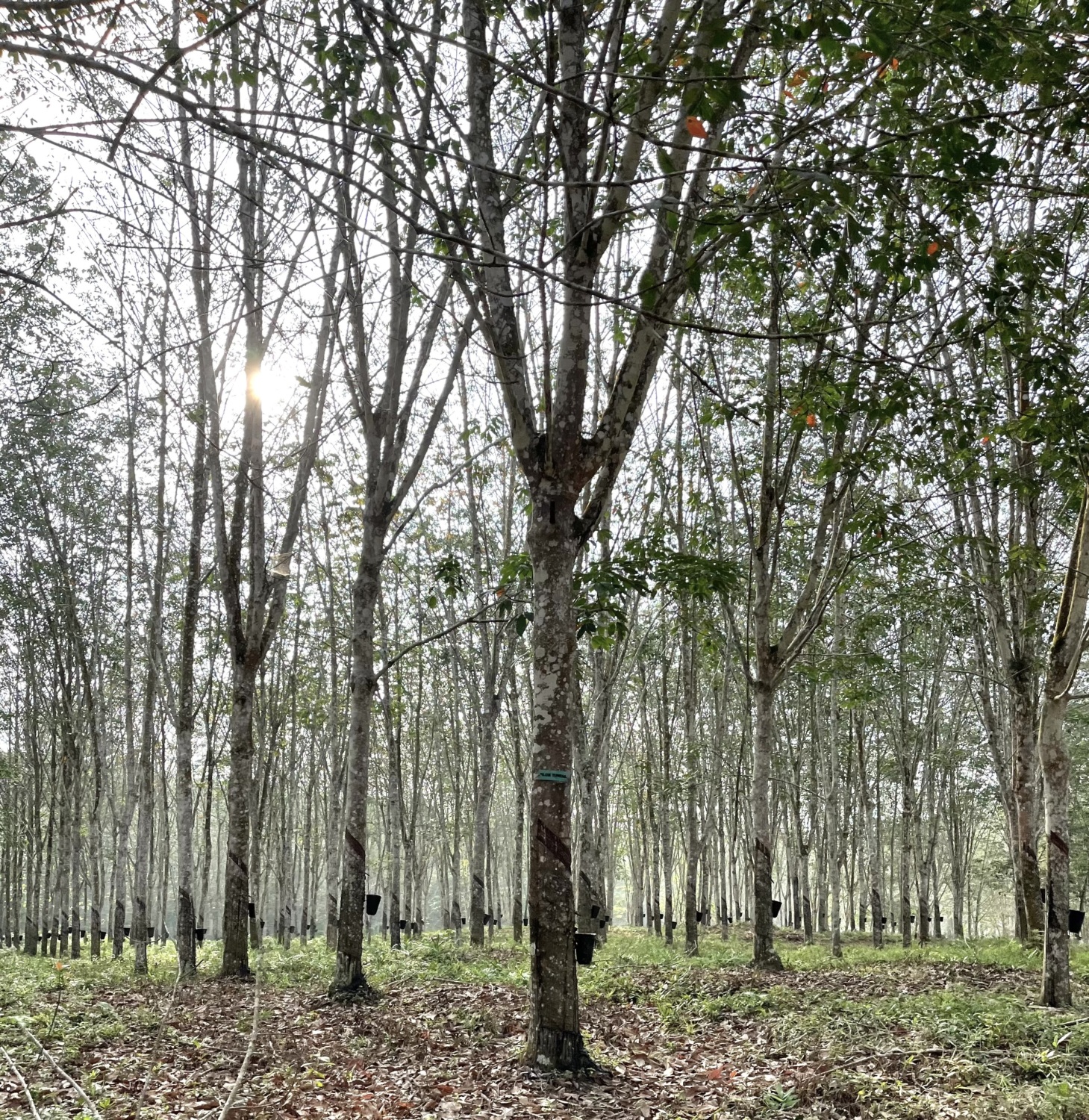
This brief examines the impact of natural rubber production on tropical forests since 2010, with a focus on recent deforestation, illegal cultivation in protected areas, and associated human rights and criminal activities. Natural rubber, primarily used in tire manufacturing, has been linked to significant deforestation in Southeast Asia and increasingly in West Africa. Recent research has revealed that the scale of rubber-related deforestation is at least two to three times higher than previously estimated, with more than 4 million hectares of tropical forests lost to rubber plantations in Southeast Asia over the past three decades.
As the EU Deforestation Regulation (EUDR) enforcement date approaches (December 2025 for large companies and June 2026 for SMEs), competent authorities must prepare to verify that natural rubber imports comply with the requirement of being deforestation-free since December 31, 2020, and produced in accordance with the relevant laws of the producer country. This paper provides context, statistics, and analysis that will assist authorities in effectively implementing these verification responsibilities.
Read the policy briefing below or click the link here: