CEO Note: “Scurrilous and malicious”
By Glenn Hurowitz, Founder & CEO
As I shared in a previous update, we recently launched a campaign alongside the Australian Conservation Foundation and many other Aussie nature defenders to protect the continent’s forests and wildlife. It’s only just begun, but wow, does it seem to have struck a chord.
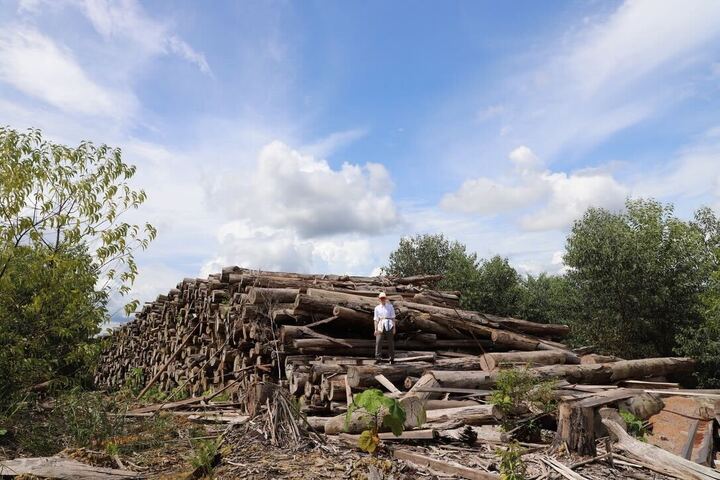
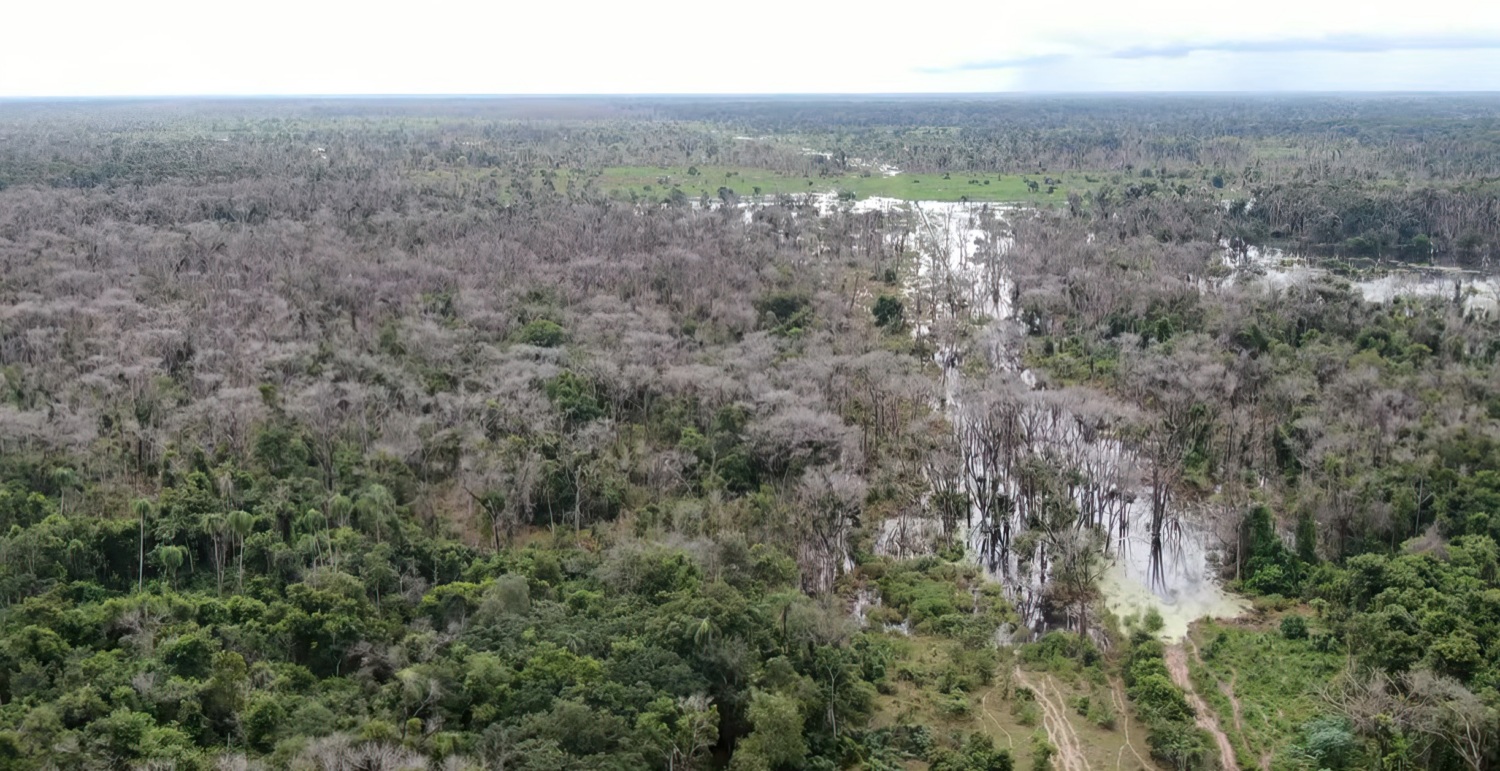
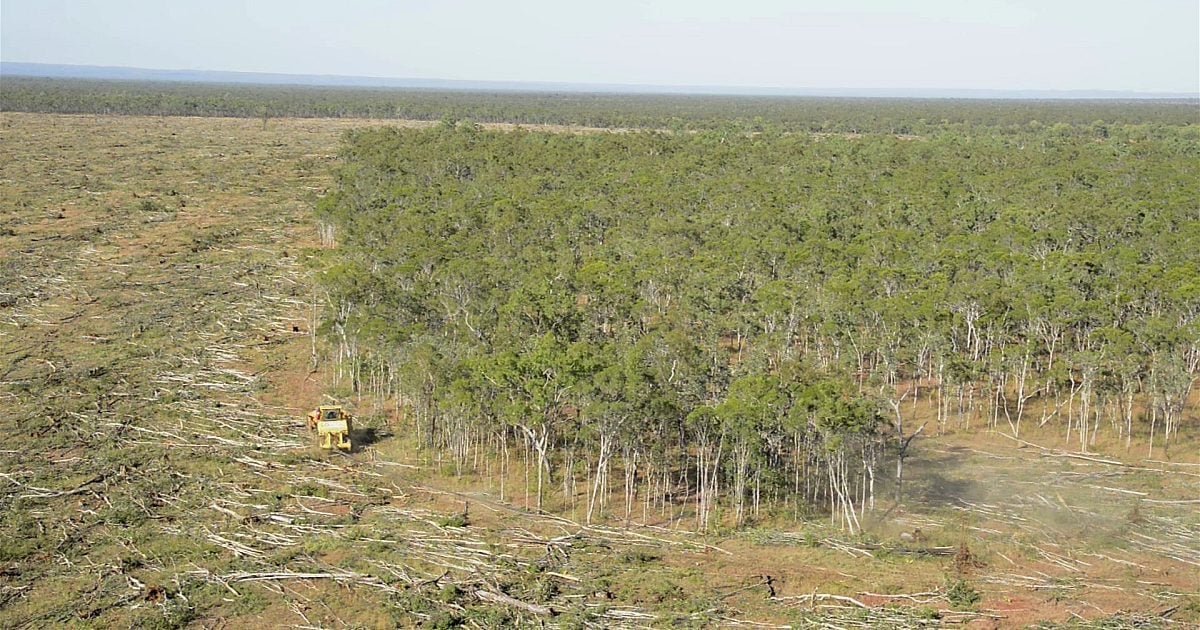
The chief threat to Australian forests is the meat industry, responsible for most of the country’s whopping 700,000 acres of deforestation per year – the highest rate of any developed country.
To stop this unnecessary destruction, our coalition is urging big companies like McDonald’s (which uses Australian beef in 70% of its locations worldwide) to close their antipodean loophole – and apply the same conservation policies that they do in the Amazon and other regions.
The United States and Asia are the two big foreign markets for Australian beef. When, in July, UNESCO considered making Australia’s Great Barrier Reef a world heritage site at its recent meeting in Busan, Korea, our coalition saw this as a small opportunity to raise awareness about the meat industry’s responsibility for deforestation – and give a helpful push for the World Heritage Designation.
The reason: one of the significant threats to the Great Barrier Reef is runoff, including debris, pesticides, and sediment that wash out to sea and smother, poison, or damage the fragile ecosystem. And each year, 44% of all the deforestation in the state of Queensland is happening in areas that drain to the Reef, exacerbating these runoff issues as more than 345,000 acres are bulldozed.
So we launched a small airship and did some communications and diplomatic outreach. In the grand scheme of Mighty Earth’s work – or even what we have planned on Australia’s cattle industry – not that big a deal.
But the beef industry seemed to be a little, er, sensitive. Dale Stiller, a spokesperson for the organization “Property Rights Australia” lashed out at our little action in the pages of Beef Central magazine as a “scurrilous and malicious” effort that “needs to be called out and stopped,” and an Australian senator known for her enthusiastic boosterism for coal just said “enough is enough.”
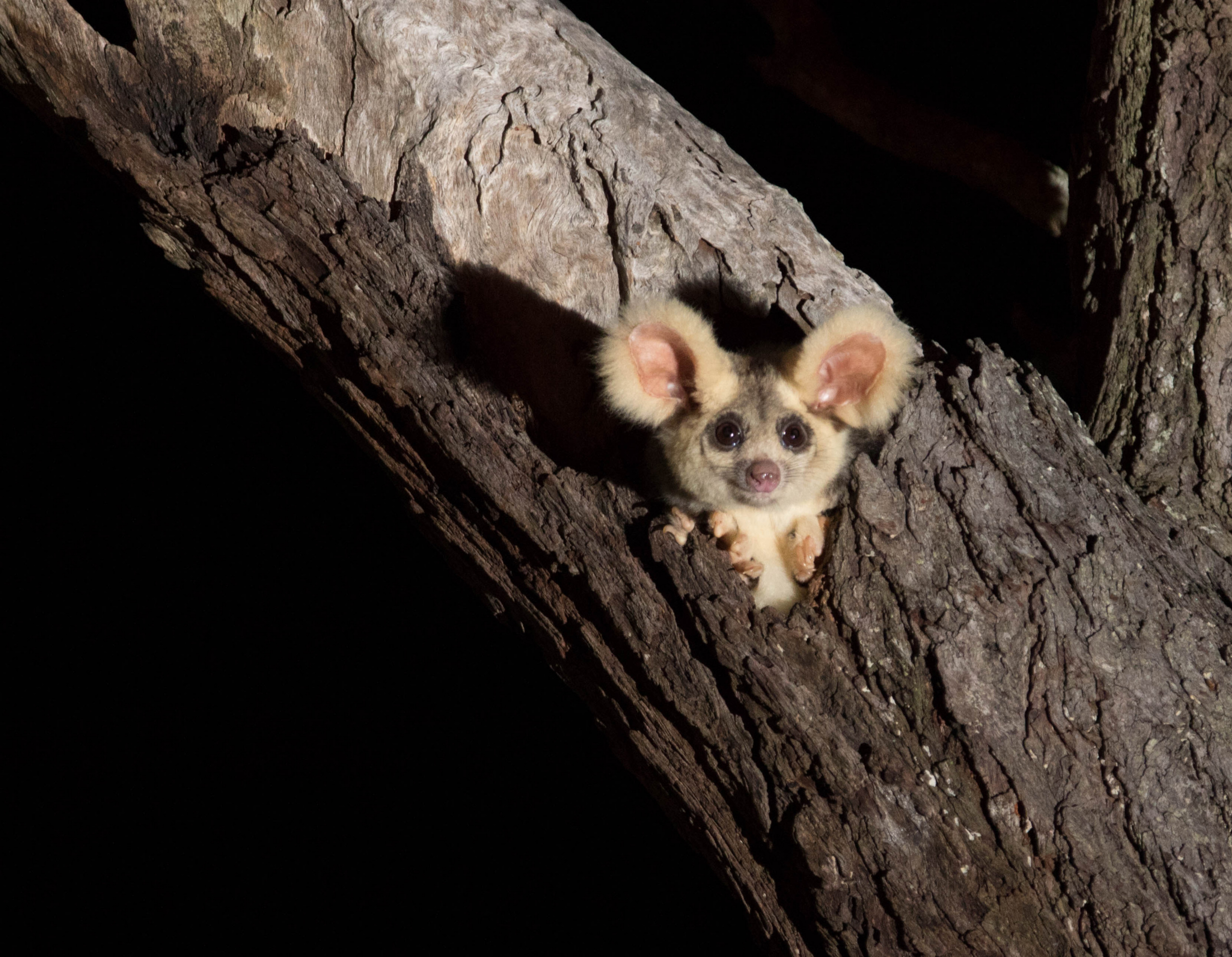
The tone, needless to say, was “How dare you call attention to what we’re doing!?!?!” On the one hand, it’s understandable: when you look closely at the Australian cattle industry, it’s not pretty: it clears as much forest as all of Indonesia every year, including kangaroo, koala and glider habitat (and gliders are freaking adorable) – but gets far less attention than other major forest countries.
Like deforestation in other countries, the destruction in Australia is avoidable, but requires strong policies by companies and government alike.
In any case, we’re grateful to our friends at Property Rights Australia, Senator Susan McDonald, Beef Central and many others for highlighting the small beginning of our campaign. We can’t wait to see their reaction when we actually do something big!

Mountain Lions Make Roads Safer
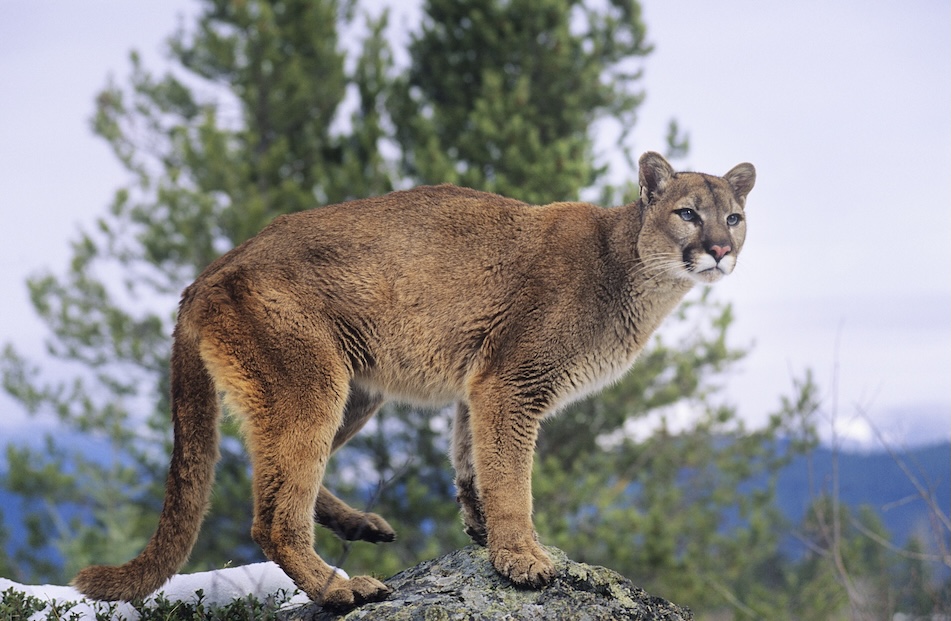
Finally, I wanted to share a new study that highlights an under-appreciated benefit that mountain lions (aka cougars, catamounts, pumas, etc.) could bring to the American East, where Mighty Earth is working to restore this keystone species.
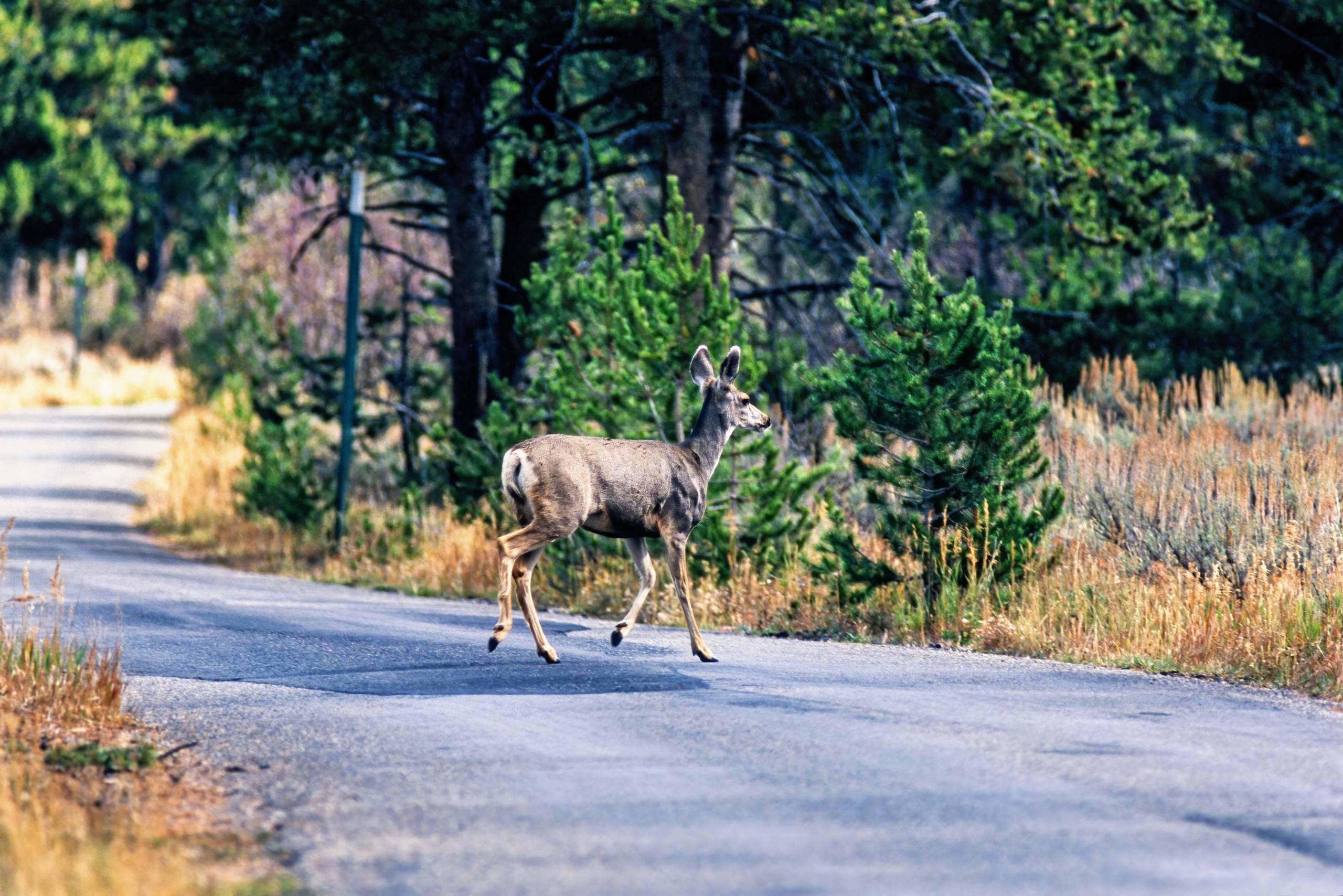
The study, published in Current Biology by Dr. Mark Elbroch of Panthera, finds that where mountain lions live, deer are naturally more cautious; they learn to avoid open areas where they can be spotted by carnivores. A side effect of this behavioral adaptation is that they also tend to avoid roadways. The study found that deer in areas on the Olympic Peninsula with mountain lions were 15 percent less likely to be found near roadways, which, in turn, led to a 67 percent drop in the likelihood of a traffic accident.
That’s a huge finding with tremendous implications for our rewilding work back east.
As deer have returned to the forests of the eastern United States, they have rebounded into overabundance. Without natural predators to thin their numbers, they now overpopulate the region, causing traffic accidents, over-browsing the understory of the forests, and falling victim to diseases.
Our Bring Catamounts Home campaign is educating the public and policymakers about how mountain lion reintroduction can help address these issues – and we’re looking forward to sharing this study more broadly.
For more, don’t miss this LinkedIn post from our Eastern Rewilding Director Renee Seacor. And you can learn more about our rewilding campaign at BringCatamountsHome.org and follow it on social media here.
Thanks for your support.
—
© 2026. The text of this article is openly licensed under Creative Commons (CC BY-ND 4.0); you are free to copy and redistribute or republish the article in its entirety with attribution and credit.