CEO Note: Unleashing the potential of animal-free protein
By Glenn Hurowitz, Founder & CEO
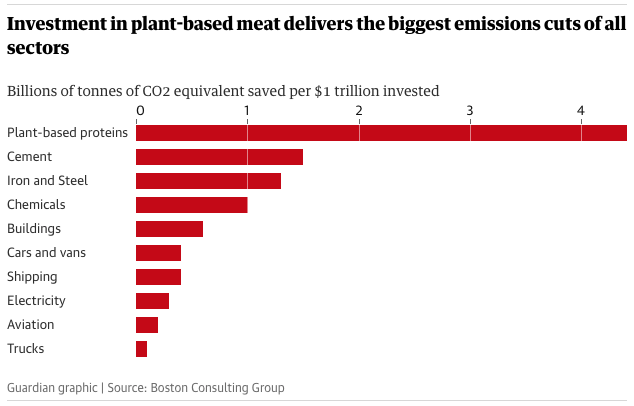
Plant-based and other animal-free protein delivers the most climate bang for the buck of any investment. It’s a more efficient way to avoid gigatons of carbon pollution than even clean energy, electric cars, or industrial decarbonization.
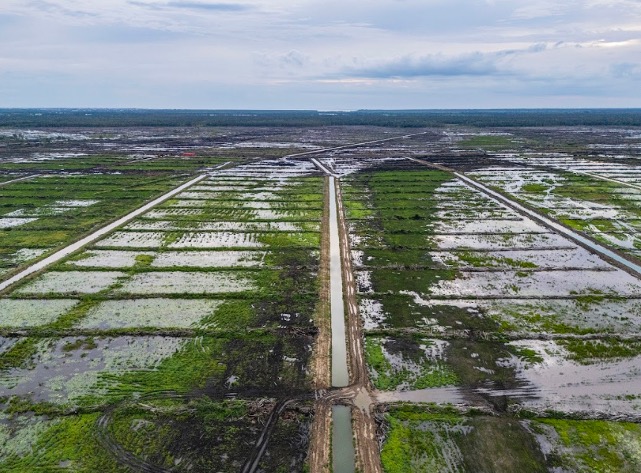
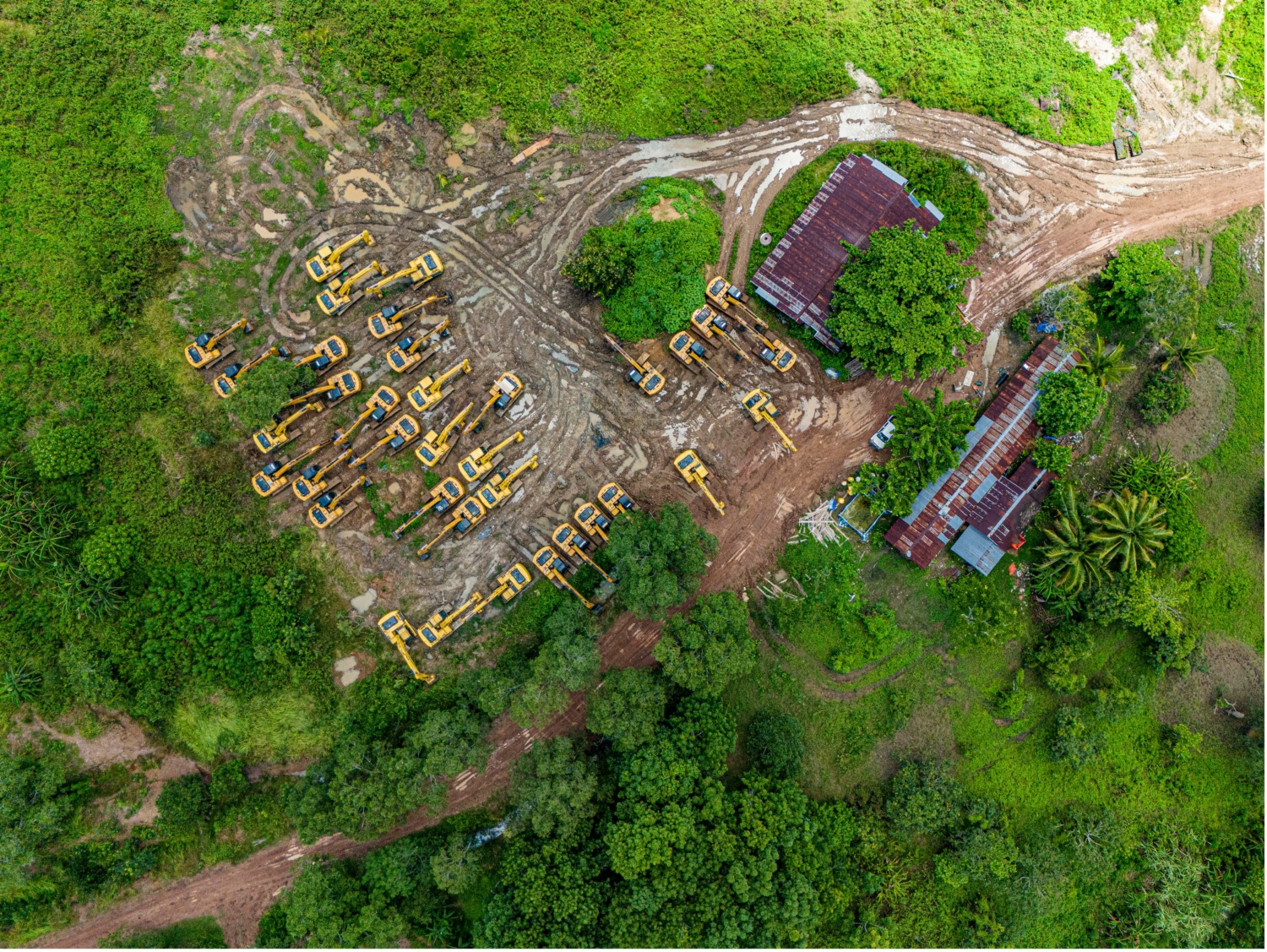
Because it takes about a tenth of the land, water, and energy to produce protein through plants or fungi than it does to feed those plants to animals and get protein from slaughtering them, this is a solution that offers hope to stop deforestation, restore billions of acres of forest and other ecosystems, and suck gigatons of carbon pollution out of the atmosphere.
Despite its potential, the industry has recently faced obstacles to scaling. Although companies like Impossible and Beyond performed well on comparative taste tests and initially drew investment to match, that spurred many new entrants to the plant-based market…not all of which matched the early leaders’ quality. As a result, many consumers, especially in the United States, had a less than outstanding first encounter with plant-based protein. Meanwhile, big meat companies are expanding globally as consumption rises, with JBS recently announcing a $2 billion investment to bring its industrial meat model to sub-Saharan Africa.
Fortunately, the industry has made great strides in overcoming the cliché of the inedible hockey puck burger. New products are competing and even winning on taste. And although only produced in tiny experimental quantities at the moment, cultivated meat grown from animal cells but without animal slaughter is making rapid strides in slashing costs from hundreds of thousands of dollars a pound when they started to less than $30, with further declines likely as the industry scales. That means there’s potential to produce real steak, real chicken, and even real bluefin tuna at a fraction of the environmental cost and without slaughtering a single animal. It’s going to take time to scale, but it’s a tantalizing possibility.
Probably the greatest near-term area of growth and impact potential is in “balanced protein,” or blending plants or fungi with meat. The reality is that the percentage of vegetarians has stayed relatively constant over time – about five percent in the United States (though India has more vegetarians than the entire population of the US!). Until the animal-free protein industry scales, we need solutions that reach this meat-eating majority.
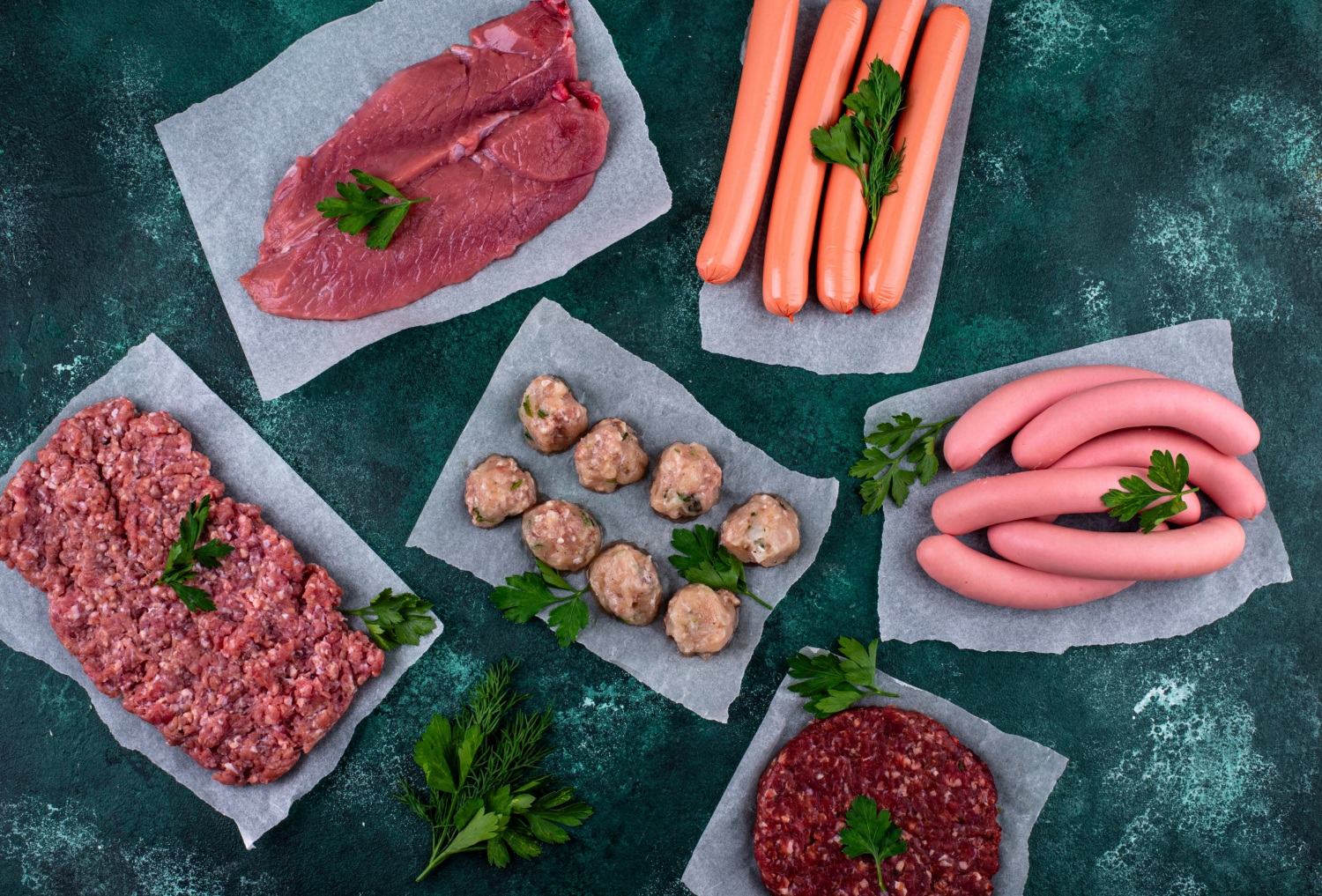
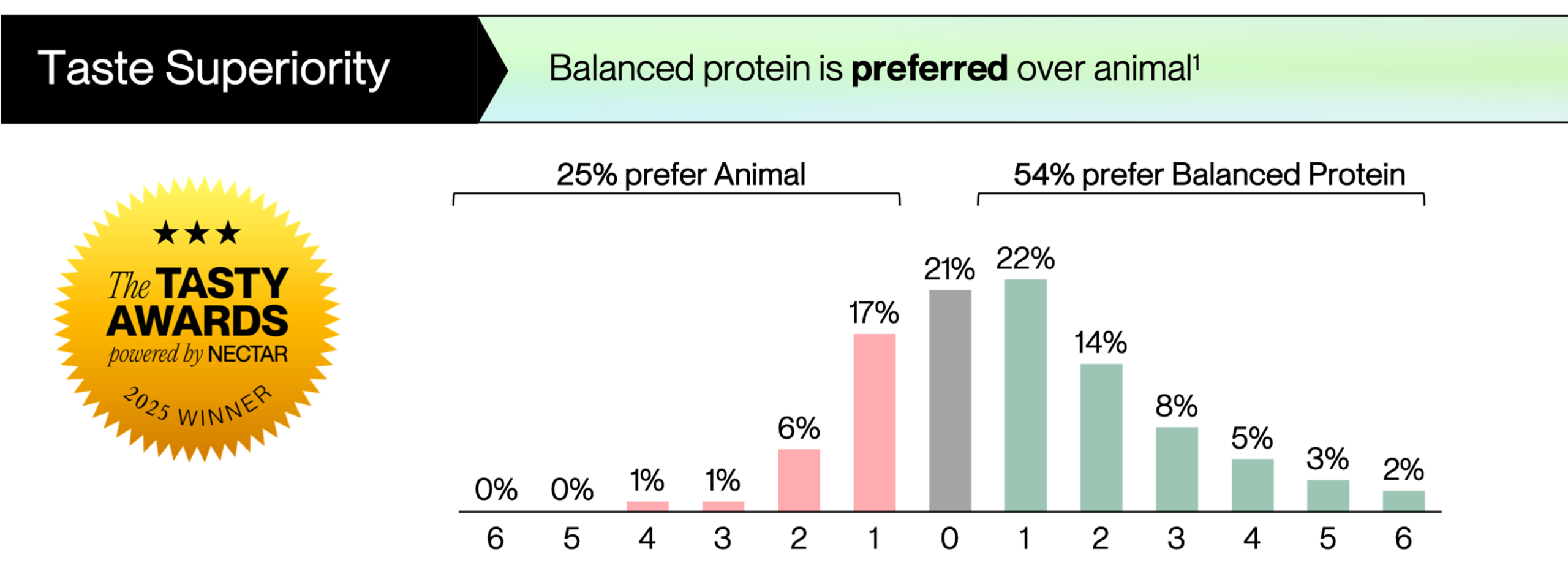
We see the greatest near-term potential for animal-free protein to grow sales and scales from balanced protein or blends – products that draw on traditional recipes to mix plant-based protein and traditional meat. Several studies show that, if marketed in a no-frills way, they’re actually more popular than plain old meat. They avoid carnivore culture wars, helping them reach almost the entire market. Bottom line: selling 10 blended burgers has much more impact than selling a single fully plant-based one.
One recent story demonstrates the potential of blends to make a difference even with the most skeptical audience. At Formula 1’s Dutch Grand Prix last year, the venue swapped out their traditional burgers for a 50-50 blend of beef and a seaweed/vegetable mix – without announcing the change. Dutch GP Sustainability Director Dimitri Bonthuis later said of the decision: “our fan base consists of petrolheads. They have absolutely nothing to do with sustainability. As soon as we say, ‘We’re trying something new: 50-50 hamburgers, half meat, half seaweed,’ we [would] get 20,000 complaints.”
They served 29,000 burgers at the event and received not a single complaint.
These products can compete when given a fair shake. The challenges they face are typical of new market entries: they need to overcome consumer skepticism, entrenched preferences and market patterns, and – most importantly – artificial obstacles thrown up by the meat industry and retail sector. That’s where we come in.
Mighty Earth is campaigning in Europe, the United States, and South America (and soon Asia-Pacific as well) to push some of the world’s largest supermarkets to end the policies that discriminate against animal-free protein.
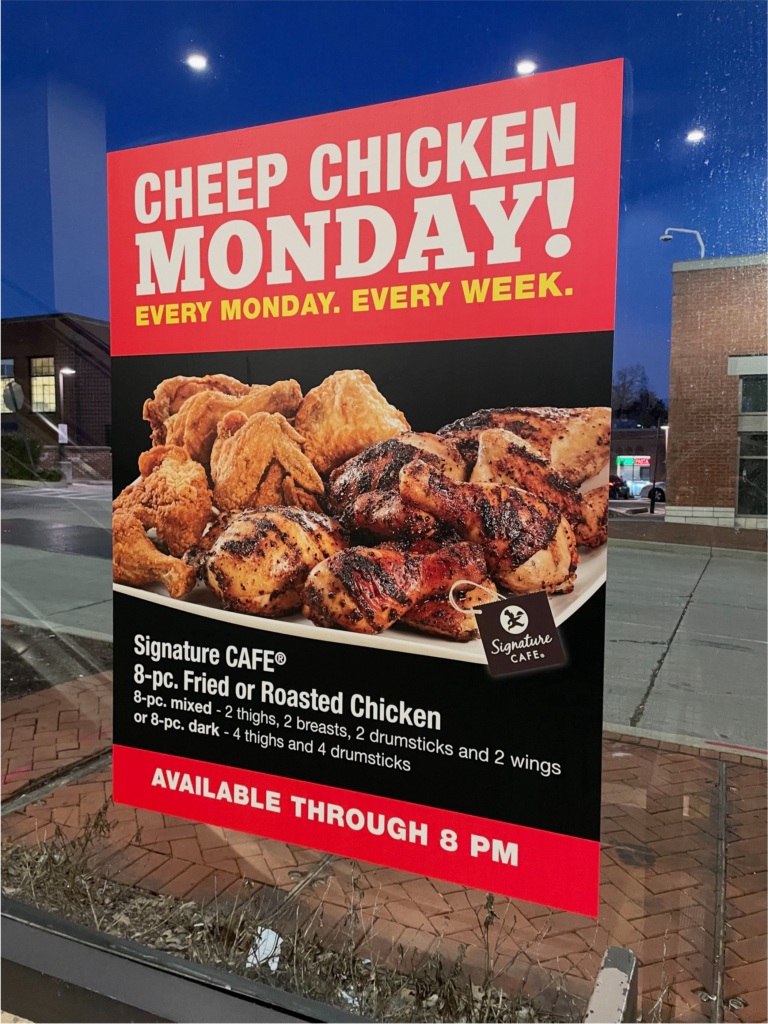
Currently, meat products are often sold at lower mark-ups than plant-based products, or even as loss-leaders; price parity will encourage consumers to make more responsible (and healthier!) choices.
Product placement is key, too: rather than relegating alternative proteins to an obscure freezer aisle, they should be placed alongside meat products. Nondairy milk and conventional milks are presented side-by-side, a practice widely credited for the successful adoption of plant-based milks, which are purchased by 44% of US households today. Major retailers in Europe have responded to campaigns by setting goals, but there’s a need to spread this action to the United States – including US branches of European retailers like Ahold Delhaize.

Animal-free protein remains a nascent industry facing significant challenges, but the promise and potential are there. Our role right now is to generate the demand signals that will spur investment and continued research and development. We are in the equivalent of the early 2000s for the solar and wind industries, when early investments could set the stage for huge environmental successes in the years ahead.
—
P.S. – If you want to read more about the powerhouse potential of this climate solution, check out the new book Meat by Bruce Friedrich, a founder of the animal-free protein movement, the chair of the Good Food Institute, and a brilliant thinker who’s sketched out a future of positive change. I shared the stage with him recently at the Future of Protein Production conference and saw how attendees had their minds changed by several of the book’s insights. It’s readable, and powerful, and you can pick up a copy here.
—
© 2026. The text of this article is openly licensed under Creative Commons (CC BY-ND 4.0); you are free to copy and redistribute or republish the article in its entirety with attribution and credit.