CEO Note: Deforestation decline in Indonesia; Congress pushes back to save rainforests
Dear friend,
From the US to the UK to Indonesia, there are – remarkably – signs of progress in the global fight to protect Nature. It’s a refreshing reminder that the world’s worst leaders don’t speak for all of us and that no political era lasts forever. I hope that these stories portend what might come next.
Decline in Food Estates Deforestation
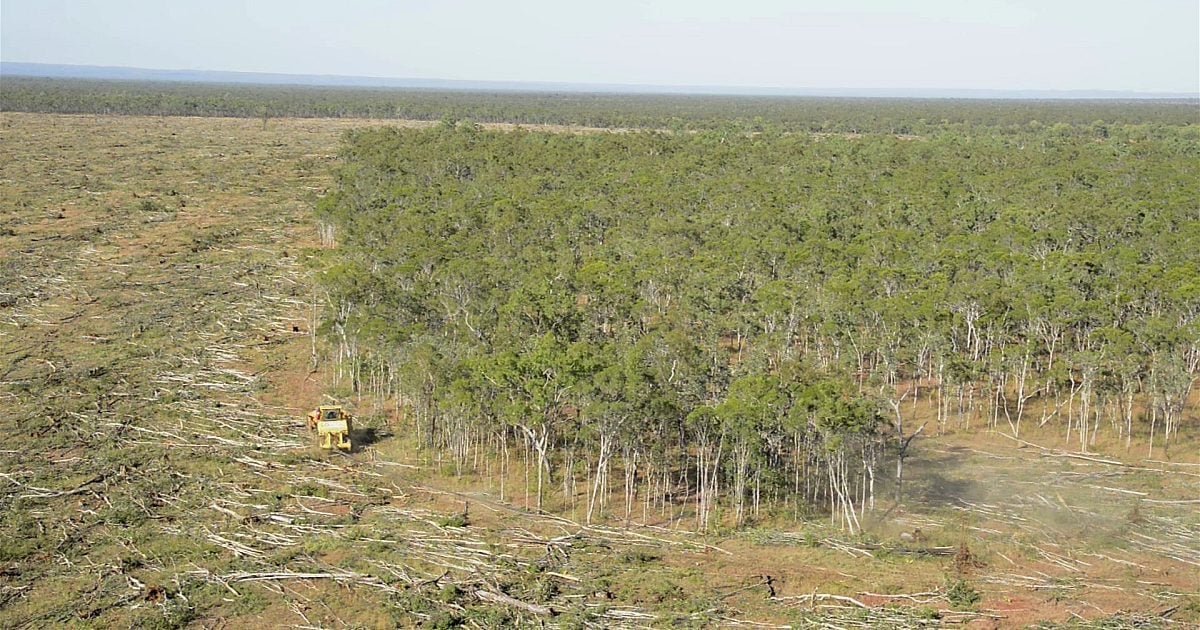
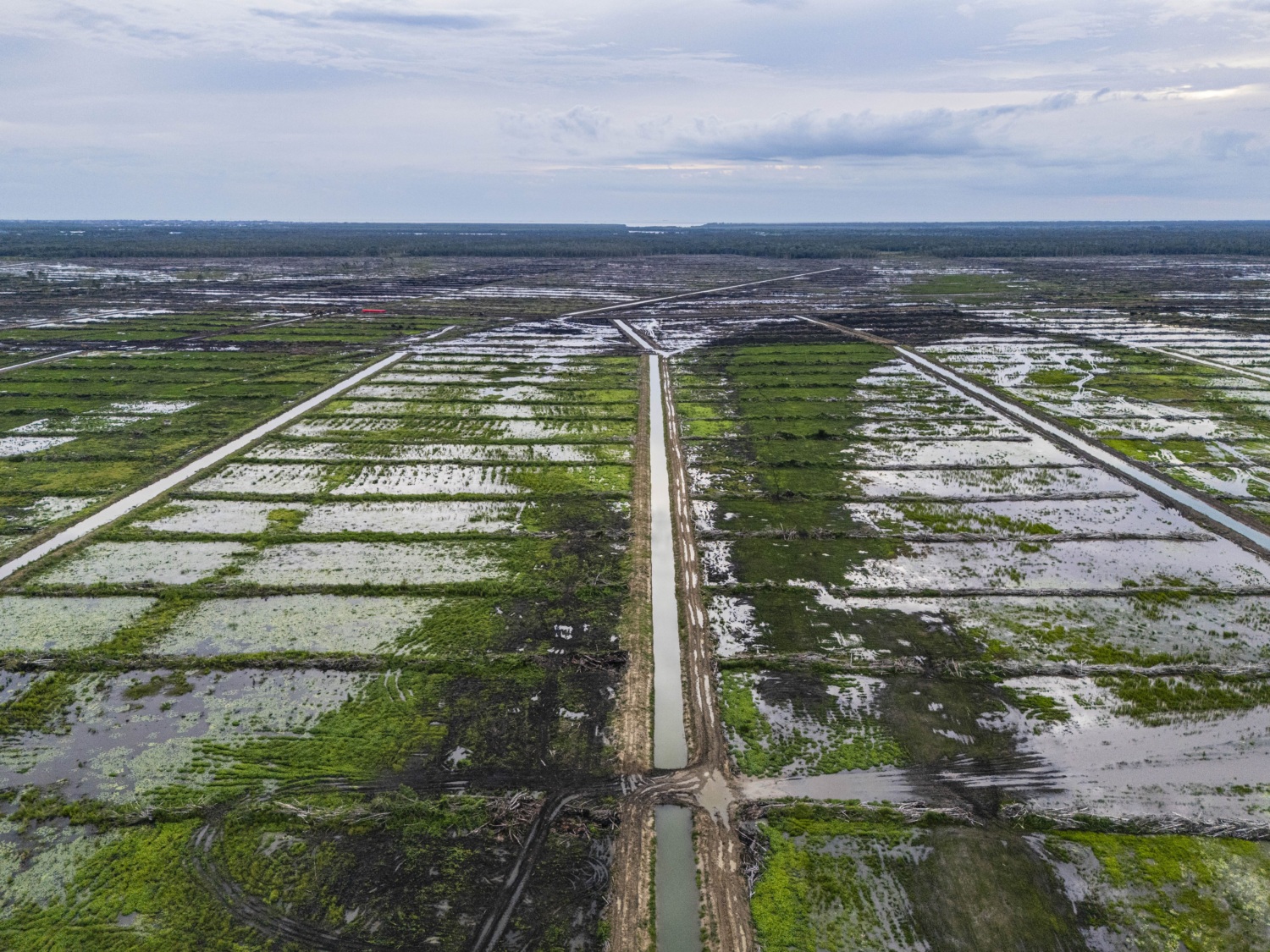
Since the beginning of 2026, there has been a significant reduction in the deforestation rate of the Food and Energy Estates, the world’s biggest deforestation project. Our analysis finds that there has been no further deforestation in the rice part of the project in Papua since the beginning of the year. Deforestation has continued in the sugar side of the project, reaching 5,000 hectares – but that is on pace to be only about half the 30,000 hectares that were cleared in 2025.
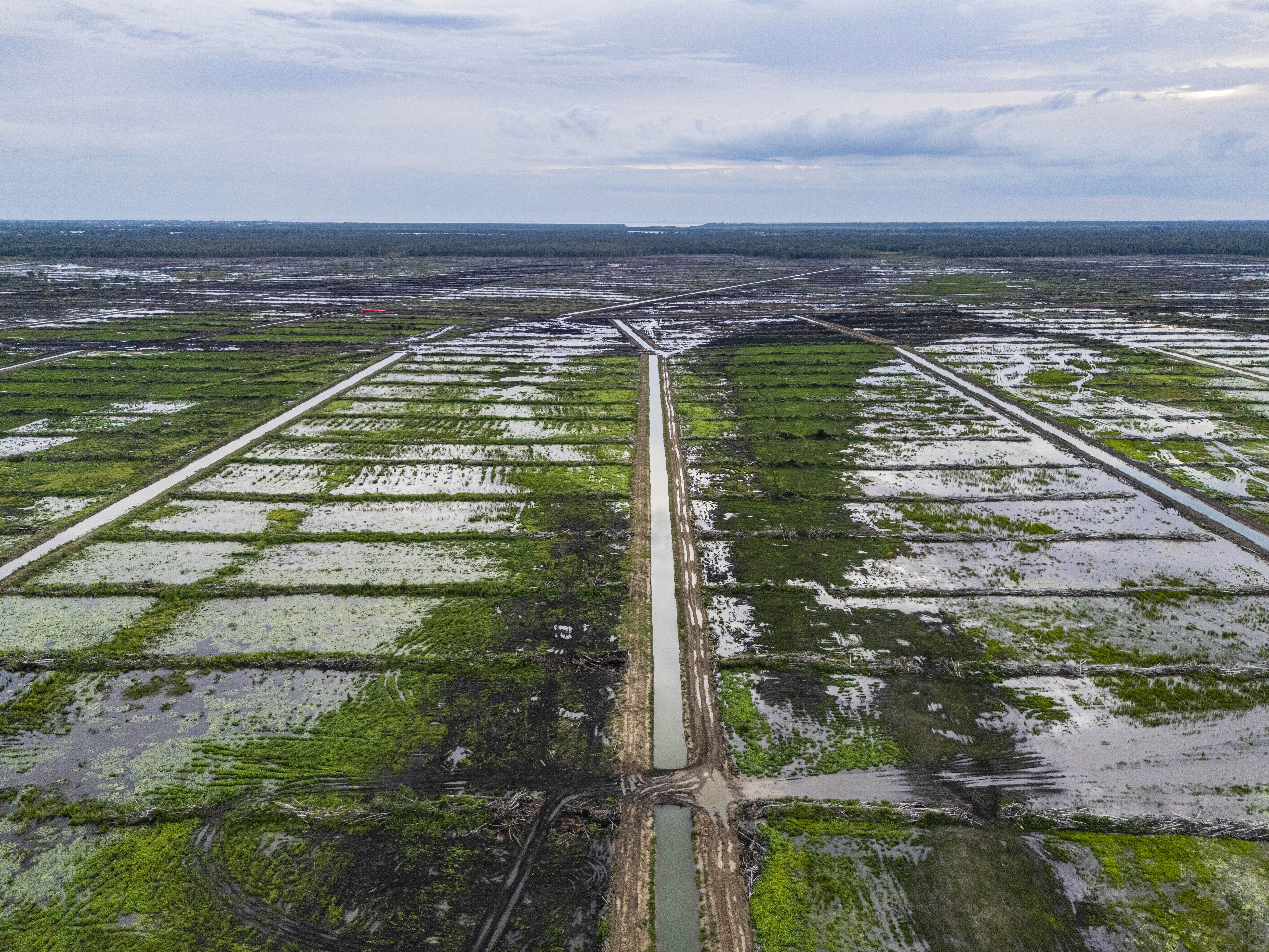 Food Estates deforestation. Credit: Yusuf Wahil/Mighty Earth
There are several factors that seem to be helping. A judge issued an injunction against construction of the 135-kilometer-long road into the areas designated for rice development earlier this year in a case filed by representatives of the Marind Indigenous community and supported by the Merauke Solidarity Advocacy Team (Perwakilan Tim Advokasi Solidaritas Merauke) led by Pusaka. Although construction activity had not fully stopped, satellite evidence shows that road expansion has been substantially curtailed at least for now.
And local communities are pushing back, erecting hundreds of red crosses to highlight the intense community opposition to the theft of their land and bulldozing of their forests.
The economic case for the project is also starting to look shaky. Indonesia already has more rice than it can store – its highest stocks in 50 years – and is spending $290 million for more warehouses just to prevent it all from rotting. That makes it hard to justify spending more money and bulldozing irreplaceable forests to grow ever more rice.
Of course, the threat is still acute. There has been no official announcement – yet – of any scale-back of the project, which is still planned to clear more than 3 million hectares in Papua alone, and a further 1 million hectares across Sumatra, Borneo, and Sulawesi. That means deforestation could continue or increase.
However, from conversations on the inside, the Indonesian government doesseem to be realizing the tension between this project and President Prabowo’s admirable nature, climate, and economic goals.
Of course, we all need to keep pushing until the deforestation stops and development is rechanneled onto Indonesia’s plentiful degraded lands.
US Legislators Stand Up for the EUDR
We are still awaiting the details from the European Commission’s latest round of revisions and potential weakening of the still-delayed European Union Deforestation Regulation (EUDR). The latest reports suggest they could remove leather from the list of goods covered by the regulation – creating an absurd loophole where the meat from cattle reared on deforested land would be banned from European markets but the cow skins and hides would not.
Nevertheless, the beleaguered law got a boost from the United States last week, as a group of 32 members of the House of Representatives urged no further delay to the EUDR and cautioned against classifying the US as “no risk” for deforestation. Mighty Earth’s policy team worked alongside Rep. Lloyd Doggett’s (D-Texas) office and allies at NRDC to rally support and signers for the congressional letter, which comes at a key moment in EU negotiations over the future of the EUDR. The authors write:
“The [Trump] administration cannot be seen as a credible negotiator on the EUDR as it seeks to undermine both EU and US forest protections while seeking a special “no risk” title. Should the EU create this designation and consider the US for classification, American companies will operate in a regulatory desert absent transparency and oversight. This creates the potential for unchecked deforestation and forest degradation while unfairly penalizing American companies that invested in sustainable practices and supply chains to comply with domestic and foreign regulations.”
The appeal comes one month after a delegation from the United States Department of Agriculture (USDA) embarked on a lobbying tour of European capitals to persuade EU member states that the US should be classified as a ‘no risk’ country for deforestation – even as the Trump administration guts protections for 58.5 million acres of old-growth forests protected under the roadless rule, and otherwise pushes to log some of our most valuable ecosystems.
The Congressional letter is an important signal to the rest of the world that the anti-environment Trump administration does not speak for all Americans.
UK Lawmakers Push for Forest Protections
And in the UK this week, 18 Members of Parliament have co-signed an open letter to the government calling for the government to introduce regulations to end the import of commodities grown on illegally deforested land.
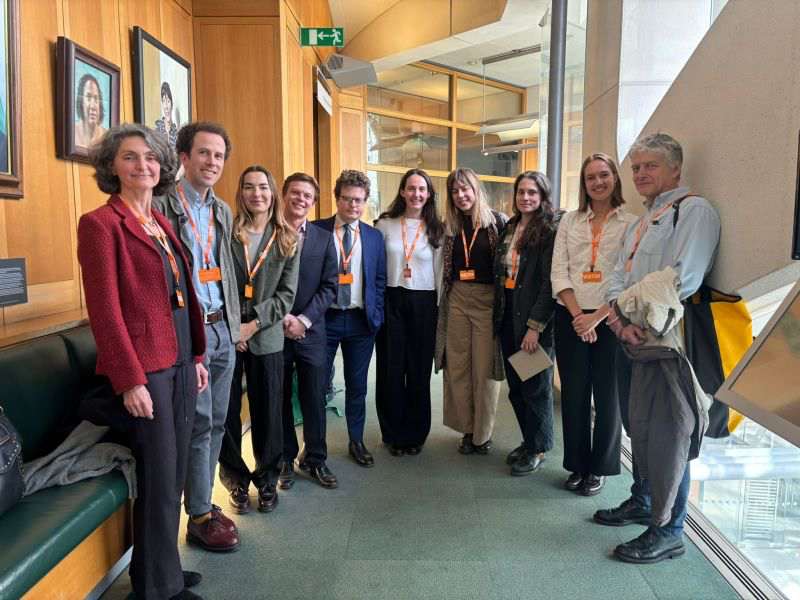
With the UK NGO Forest Coalition, we organized an All Party Parliamentary Group meeting in Westminster where Members of Parliament were briefed on deforestation in Indonesia and the case for UK regulation.
The Environment Act, passed in 2021, was designed to halt the import of commodities linked to illegal deforestation, and yet remains largely unfulfilled. The British government has yet to introduce the strong secondary legislation needed to actually enforce these requirements.
Major UK retailers and chocolate producers such as Sainsbury’s, Tony’s Chocolonely, and Barry Callebaut Group are joining the call for clear and robust forest risk commodity regulations that address the UK’s impact on the environment and associated human rights abuses. When political coalitions and private sector actors begin to align on these kinds of asks, it is usually a sign that policy wins may soon become possible – and are likely to endure if we can get them across the finish line.
I am encouraged by these green shoots – and the courageous leaders who are fighting for Nature.
Sincerely,
Glenn Hurowitz
Founder & CEO