CEO Note: The Fires and Industrial Decarbonization
By Glenn Hurowitz, Founder & CEO
First, I’m pleased to share our latest Annual Report. Looking back, it’s remarkable how much this team was able to accomplish in the last year, even as we battled strong political headwinds. But by leaning into what works – strategic, focused advocacy campaigns that target specific private sector actors and select governments – we continue to deliver impact for nature and climate. It’s only possible because of your help. Please take a moment to read through some of these accomplishments and know that they are yours, too.
Bringing urgency to our decarbonization campaigns
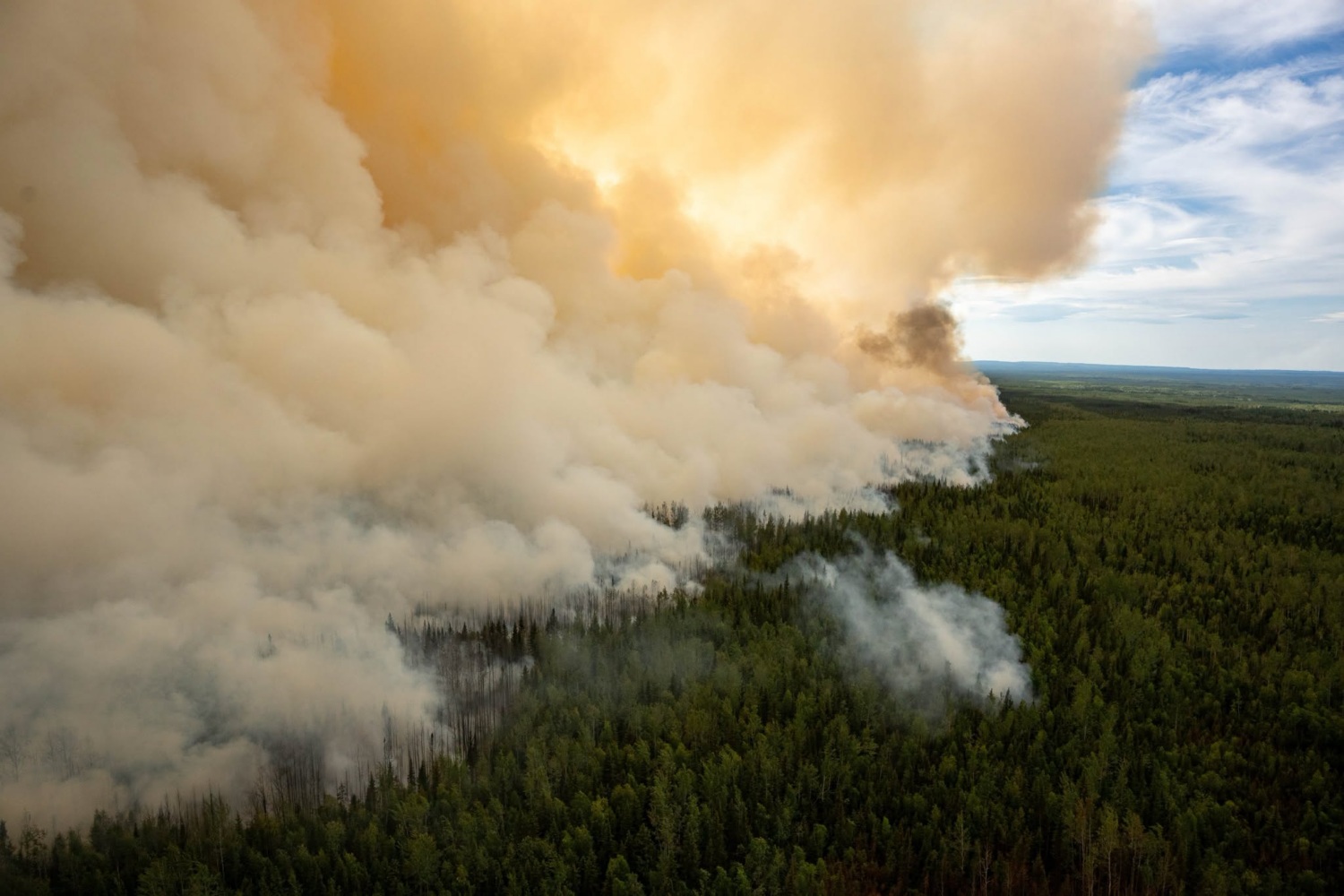
Our last newsletter was about the heat, and predicted that fire would not be far behind. We also promised to up our calls for urgency to major companies. Well, like many in the northern United States and Canada, I’ve spent the last week breathing haze from Canadian forest fires hundreds of miles away that are, in significant part, a product of the climate crisis. So our calls for urgency are only picking up: below is one example of how we’re working with allies to drive climate action around the world, even in the absence of any remotely adequate political response to our present crisis.
One of our top targets in our campaign to decarbonize the automobile industry is Hyundai Motors Corporation. Over the last decade, Hyundai has made progress in transforming their company to consistently deliver high-quality electric vehicles – a key step in decarbonizing the global economy. But part of decarbonizing the auto industry means reckoning with the impacts of supply chains both new and old: steel, critical minerals, leather, and more.
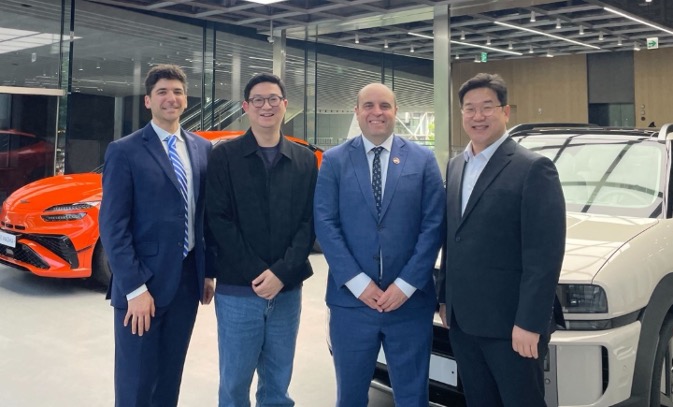
For three years now, Mighty Earth has been sounding the alarm about the pollution, labor violations, and environmental degradation still linked to some of the companies in Hyundai’s global steel supply chain. I recently returned from a trip to South Korea, where I met with Hyundai officials at their offices in Seoul along with our allies from Sierra Club.
I am pleased to report that it was a productive meeting. We delivered a letter from Louisiana activists concerned about a planned $5.8 billion Hyundai-POSCO Louisiana Steel facility in Ascension Parish. While the project already planned to deploy “Direct Reduced Iron” technology – which causes 65 percent less climate pollution than coal-based blast furnace steel manufacturing – there were still concerns about greenhouse gas, nitrogen oxide, and particulate matter pollution that would threaten nearby communities in an area long ravaged by exceptional concentration of toxic industries.
Shortly after our meeting, and thanks to great follow up by Sierra Club lawyers, Hyundai did indeed submit revisions to its permit application, indicating several planned environmental upgrades that would further reduce emissions – equivalent to taking 5,000 gas cars off the street annually.
While very modest in scale compared to what we know Hyundai can achieve, this announcement shows that we can work with Hyundai to make progress.
Our hope is that because of Hyundai’s market reach in Asia, the United States, and beyond the company could be poised to lead the auto industry transition. That’s why we’ve been frustrated by, instead, a recent slowing of progress: Hyundai’s portion of EV sales has stagnated at just 9 percent, even as Chinese automakers are reaching 3-5 times the portion of EV sales (although Hyundai’s 9 percent still looks good compared to its top legacy American rivals).
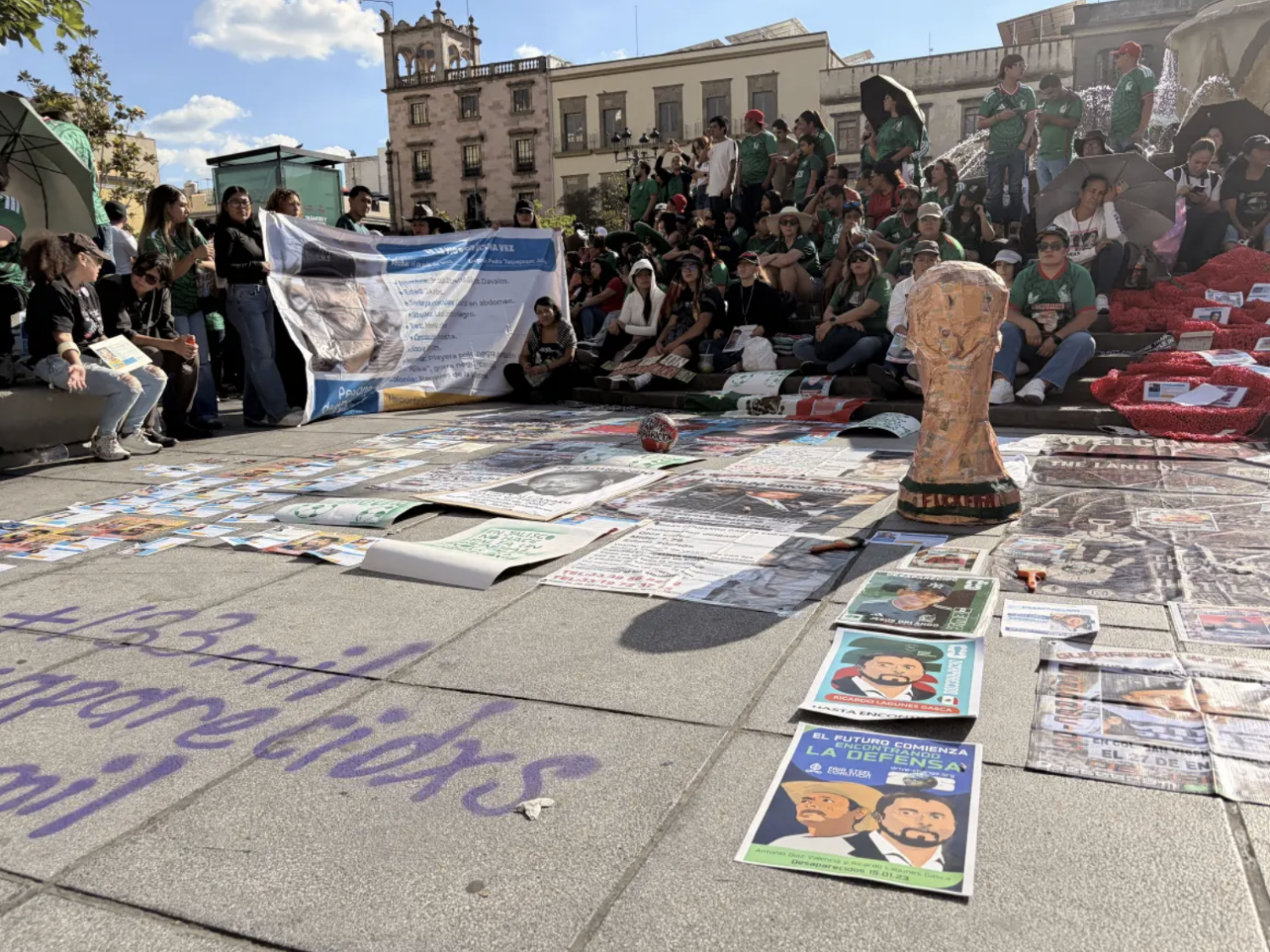
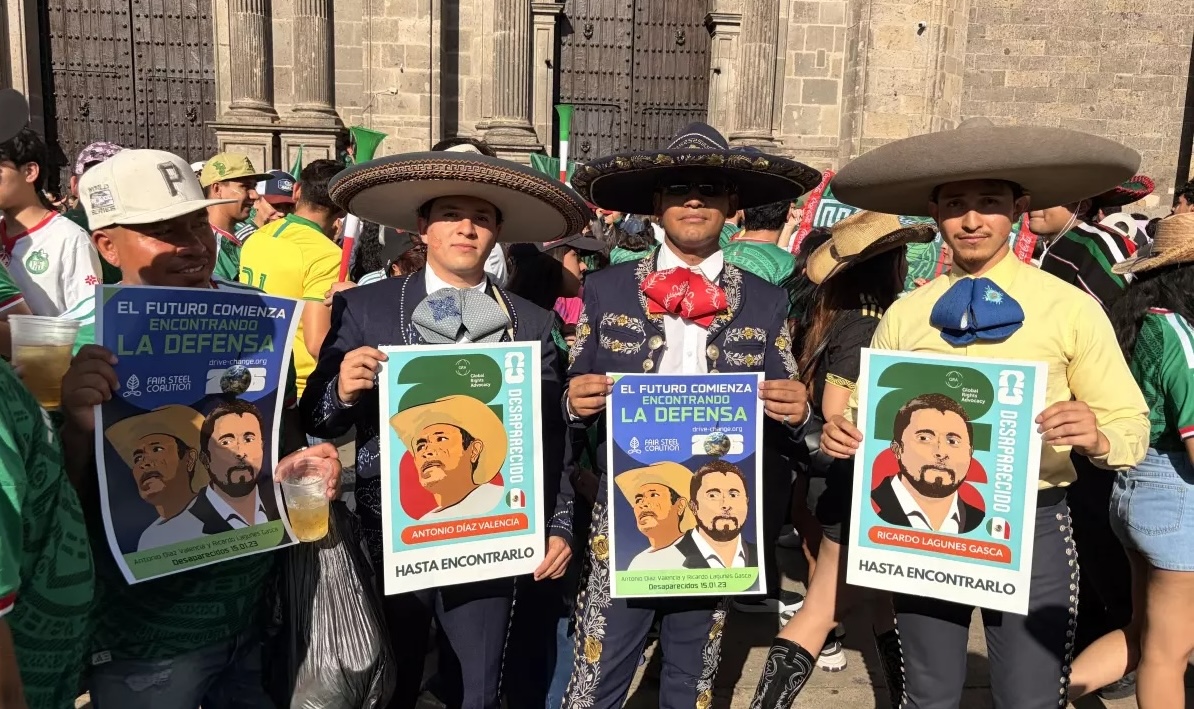
Indigenous and frontline groups are also concerned about some of the companies in Hyundai’s supply chain because of their links to human rights abuses and serious pollution issues. Mighty Earth and our fellow members of the Fair Steel Coalition have been spotlighting some of these issues during the World Cup to counter-program Hyundai’s sponsorship of the games. At last month’s match between Mexico and South Korea in Guadalajara, Mexico, protesters called out Ternium, a supplier that has been accused of human rights abuses and has been allegedly linked to the disappearances of two environmental activists. You can read coverage of these protests in the Los Angeles Times and The Guardian.
Last week in Los Angeles, Public Citizen and coalition partners held a press conference and delivered an open letter to FIFA highlighting these issues. Our allies in Korea, SFOC, also released this video lamenting the extent that Hyundai’s steel supply chain still relies on dirty coal for energy.
So while the planned 65 percent steelmaking emissions reduction at the Louisiana facility would be a significant step forward, full decarbonization will require fully fossil free steel – and that means scaling green hydrogen investments, about which Hyundai has still provided few details. But Mighty Earth is going to keep up our ‘perfect storm’ – we’re going to continue organizing, advocating, and bringing solutions to help Hyundai and the whole auto industry get there with the urgency that our present crisis demands.
—
© 2026. The text of this article is openly licensed under Creative Commons (CC BY-ND 4.0); you are free to copy and redistribute or republish the article in its entirety with attribution and credit.