CEO Note: The Heat
By Glenn Hurowitz, Founder & CEO
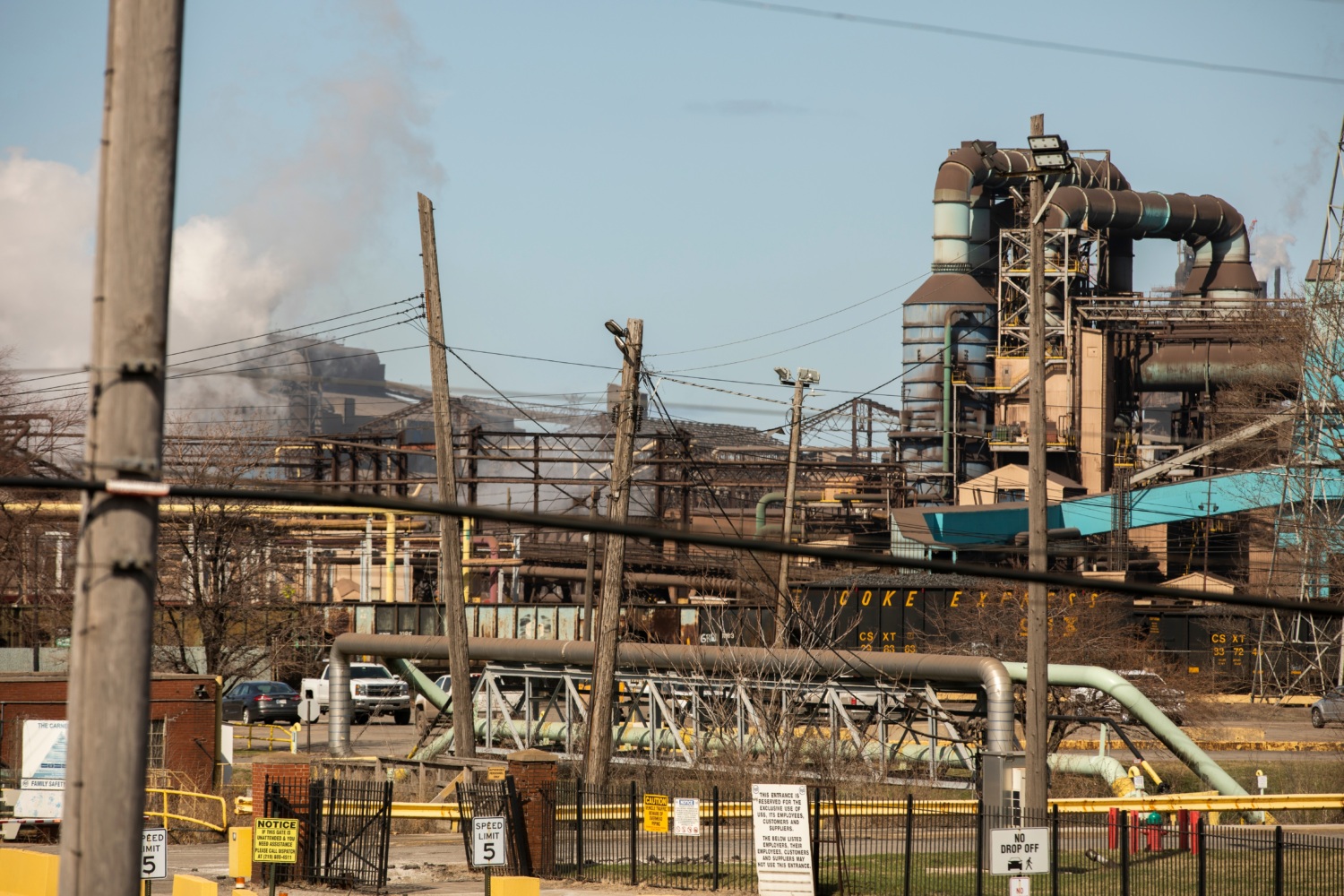
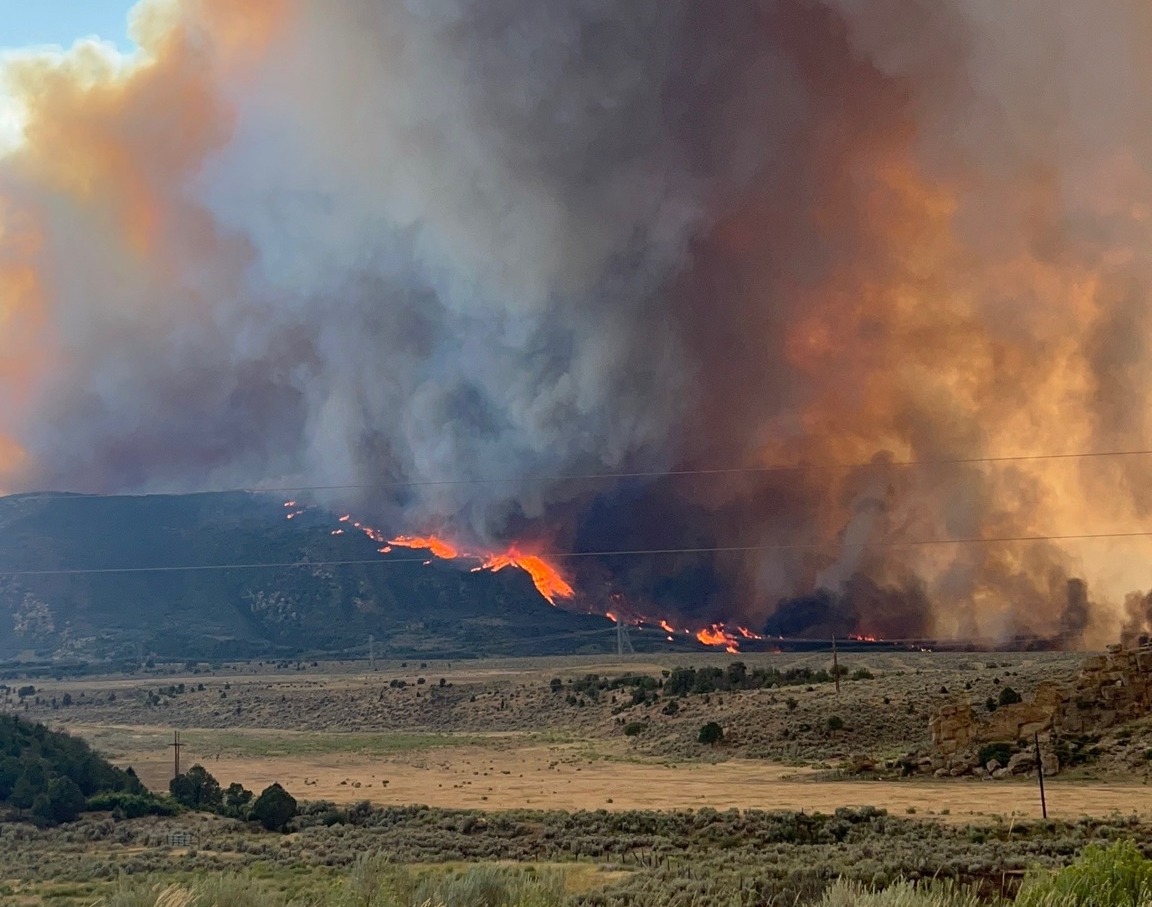
The planet is scorched. Roads and rails are buckling. And fire may not be far behind.
So shall we just respond like some of those policymakers who are focusing their limited mental capacity on buying more air conditioners rather than solving the underlying problem?
It might seem daunting to demand action when we’ve become resigned to politicians’ indifference. Nihilism is ascendant, and it breeds a sense of inevitable inaction.
But we can shake off that torpor by understanding that the urgency we feel is now reinforced by every bead of sweat dripping down a decision-maker’s face.
I suspect that aspiration resonates with most readers of this note. But to become actionable it needs specifics. For Mighty Earth, we have doubled down on driving private sector action because it continues to deliver outsized climate impact even in this era.
Here are a few examples of how we are calling on companies that have slunk comfortably into inertia to (re)inject urgency:
- The meat industry causes more climate pollution than the entire transportation sector. We’re challenging Dutch supermarket giant Ahold Delhaize (owner of Stop & Shop, Food Lion, Hannaford, Albert Heijn and others) to extend its commitments to boost plant-based sales from Europe to its giant marketplaces in the United States; and to stop doing business with meat industry super-polluter JBS. We’re asking customers to mobilize – and launching similar campaigns in Brazil and East Asia.
- Hyundai Motor Company is rapidly expanding its markets around the world, but has stagnated on electric vehicle sales and commitments to use fossil-free materials. The company has proven its ability to lead on quality, now it needs to lead on climate.
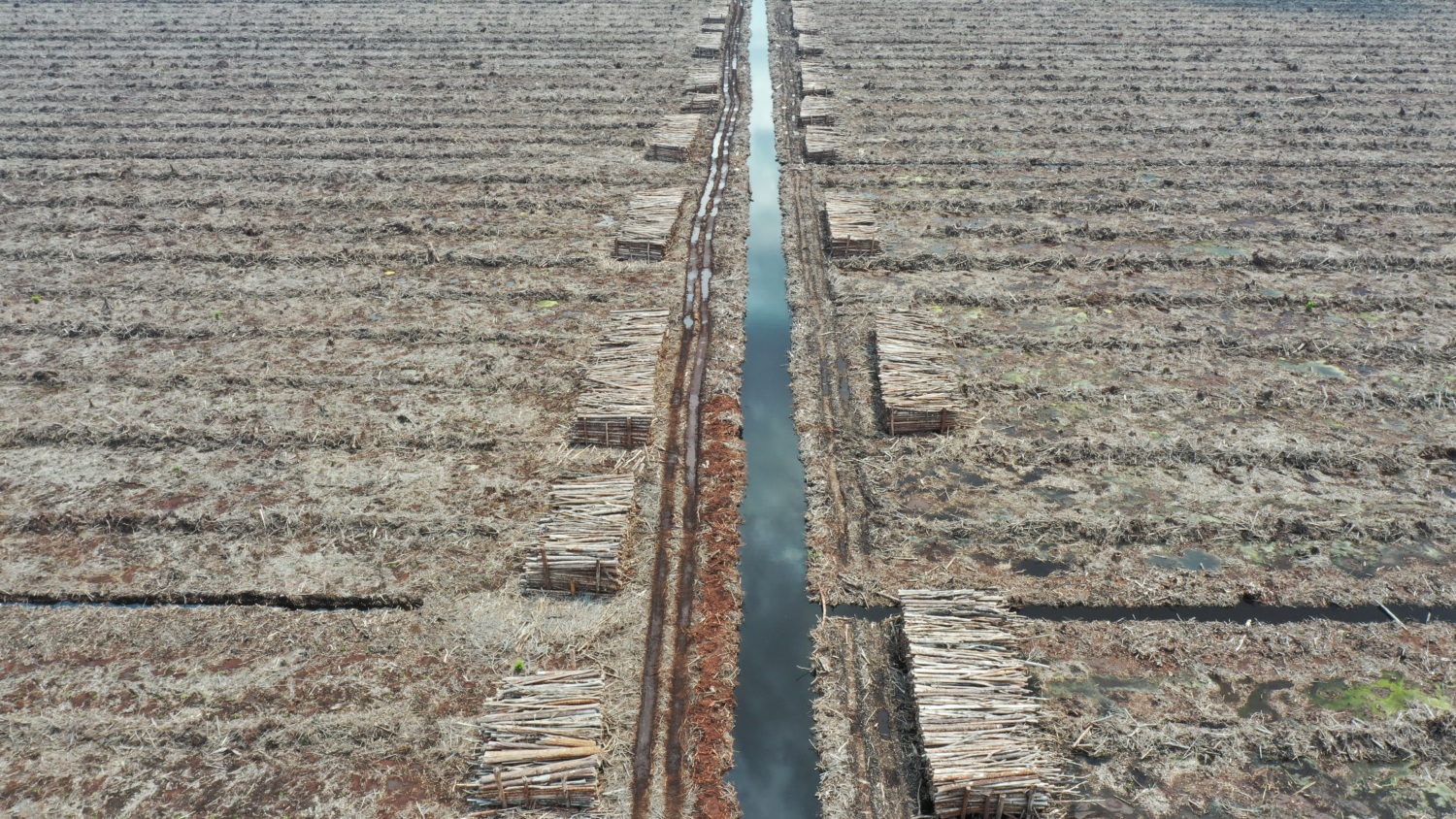
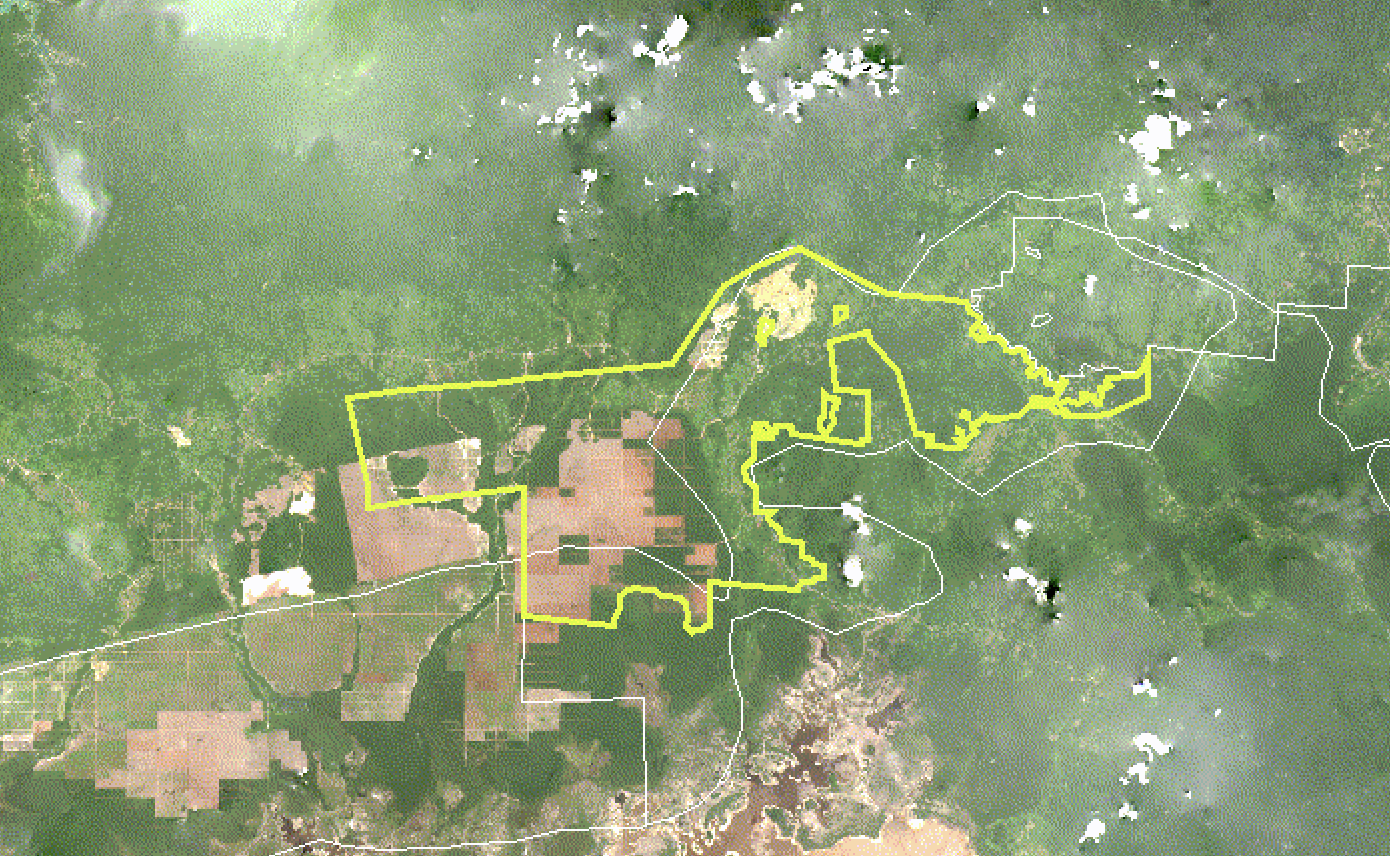
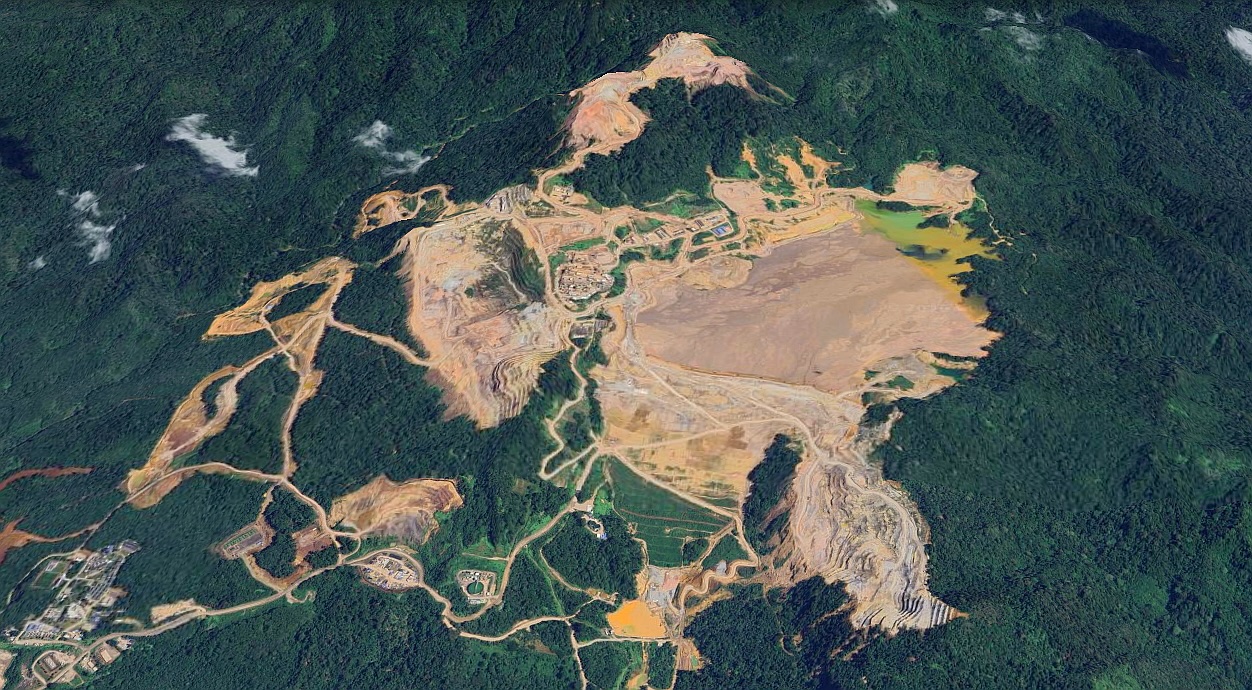
- Jardine Matheson is a little-known British conglomerate that owns many of Asia’s largest auto, coal, agribusiness, mining, and hotel chains (its best-known brand is Mandarin Oriental luxury hotels). Despite driving hundreds of thousands of acres of deforestation; selling millions of cars; and mining an amount of coal that gives it a climate footprint about the size of the Netherlands, the company is dragging its feet when it comes to investing in compensating for its forest destruction or shifting to clean energy.
Second, the environmental movement needs to return to its origins focusing on grassroots organizing. Here’s the reality: few of the today’s governments care a whit about technocratic solutions that could solve our greatest problems.
They’re mostly desperate to stay in power amidst a swirling vortex of war, artificial intelligence, rising right-wing populism, and chaos. The only language they listen to now is the language of power. And yet political economy has largely disappeared from the analysis of much of the environmental movement, which has instead retained a faith that smart solutions will be adopted because of their innate brilliance.
It doesn’t have to be that way: I recently returned from a trip to Australia, where I met with the leaders of the Australian environmental movement (we’re helping them with their efforts to bring more attention to insane levels of deforestation by the meat industry there). It was like visiting the American environmental movement 15 years ago. Building and demonstrating public support and deploying it strategically for big wins was at the center of most Australian environmental groups’ mission. And I think it’s not a coincidence that they’ve had some big wins recently, including the creation of the Great Koala National Park and a new environmental planning law that will make deforestation and climate-busting projects alike way more difficult. We can learn from down under.
Mighty Earth is doing that by scaling grassroots campaigns everywhere we work targeted at companies and governments alike – and combining them with practical, scaled solutions for the great challenges facing Nature and climate.
Here’s one opportunity for you to take action now.
—
© 2026. The text of this article is openly licensed under Creative Commons (CC BY-ND 4.0); you are free to copy and redistribute or republish the article in its entirety with attribution and credit.