CEO Note: JBS and affiliates face 14 new legal complaints
Last week, Mighty Earth and the Transnational Legal Coalition launched fourteen legal actions across four European countries against the world’s largest meat company, JBS, and twelve of its key banks, asset holders, accountants and lawyers over alleged criminal deforestation of the Amazon connected to its beef supply chains.
The filings formally ask prosecutors, financial authorities, and governance associations to investigate suspected failures to comply with anti-money laundering due diligence and reporting obligations. Many of the filings are being joined by APIB, the Articulation of Indigenous People’s of Brazil.
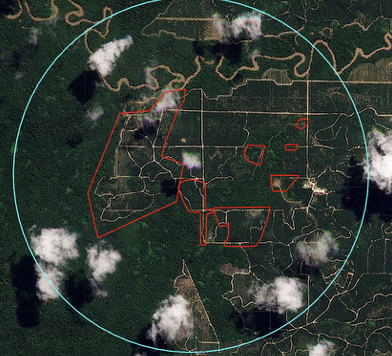
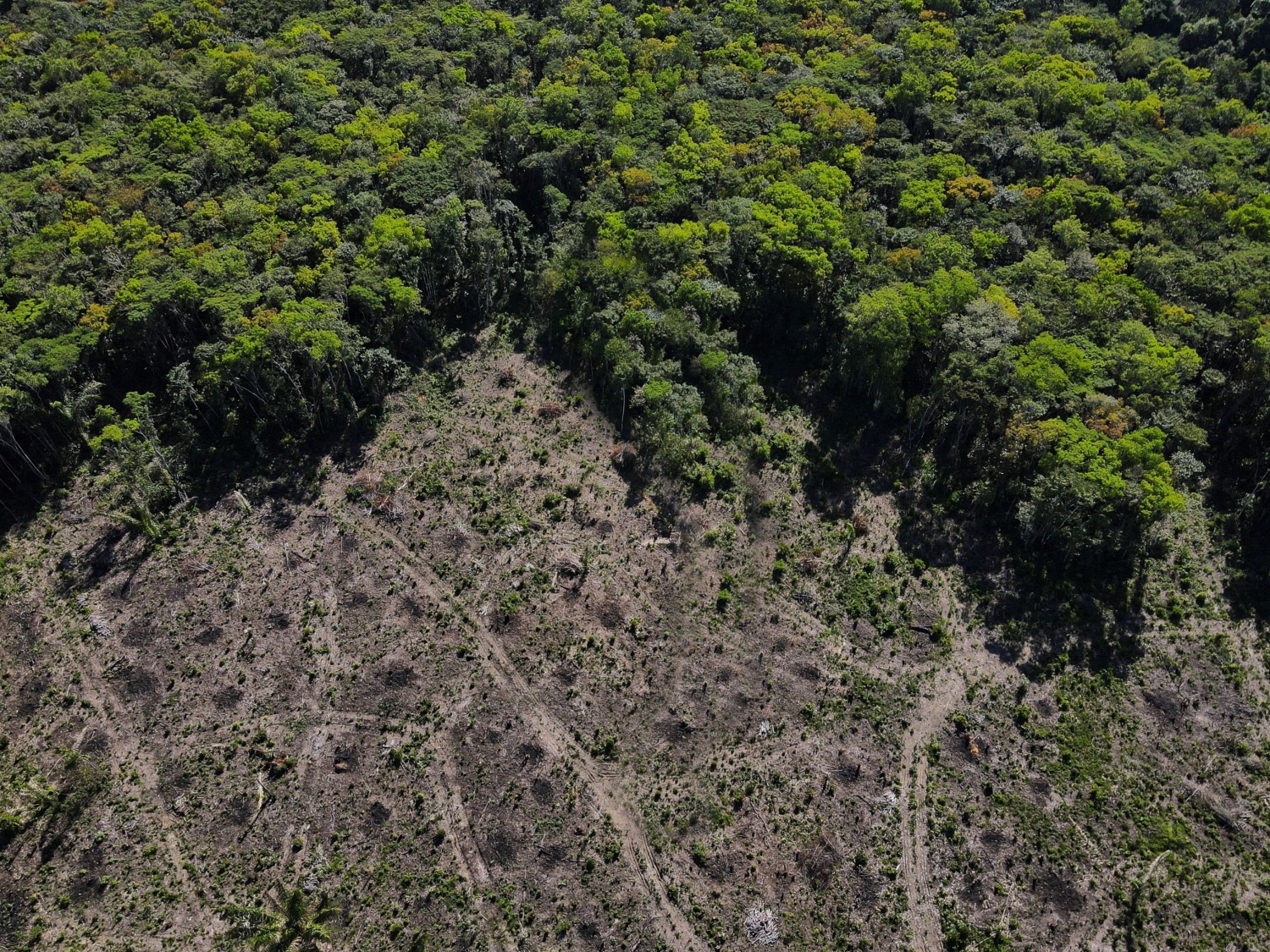
An accompanying report commissioned from AidEnvironment compiles evidence of 16 million acres of deforestation from 1988 to 2026, the bulk of it illegal. Those results are consistent with law enforcement, scientific, journalistic, and NGO reports going back decades.
We argue that because the cattle were raised on criminally deforested land, money generated from their sale constitutes the “proceeds of crime.” Anyone who handles these products or otherwise assists JBS in trafficking them risks committing a money-laundering crime.
Banks, asset managers, accountants and lawyers in Europe are legally required to carry out enhanced due diligence on high-risk clients and to report suspected money laundering. The abundant publicly available evidence of the company’s repeated and egregious links to illegal deforestation means assisting JBS in selling these products risks violating these laws.
The filings include a criminal complaint filed with the Dutch Public Prosecution Service against JBS N.V., the Dutch parent company of JBS under the Dutch Prevention of Money Laundering and Terrorist Financing Act. Additional regulatory and other filings in the Netherlands, Ireland, United Kingdom and Germany focus on Loyens & Loeff, Barclays, KPMG, Standard Chartered, Bank of Montreal, London Branch, Rabobank, ING and Banco do Brasil.
Media coverage has already started coming in today in the Associated Press, Globo, Bloomberg, Daily Mail, El País, Inside Climate News, Het Financieele Dagblad, The Irish Times, Forward Law Review, German Legal Tribune, Mongabay, and The Grocer – with more planned coverage in the coming days.
More detail about the filings here.
The Transnational Legal Coalition (TLC) is a group launched less than two years ago with Mighty Earth as a founding member alongside the Global Legal Action Network (GLAN), the European Center for Constitutional and Human Rights (ECCHR), FIND, and King’s College London. The TLC’s purpose is to develop a new approach to collective legal resistance to the destruction of the world’s forests and biodiversity hotspots, by coordinating information-sharing and legal action across borders to challenge the world’s biggest corporate and financial abusers.
These filings signal to JBS and its financiers, and other meat companies, banks, and related service providers that illegal deforestation carries substantial risk. Ultimately, we hope these filings help drive action to protect forests, drive action on climate, and scale sustainable protein.
What the US Elections mean for nature and climate
The US midterm elections delivered a tsunami of a rebuke to President Trump and his allies, who have been leading an ideological and practical assault on the very idea of conservation. On the heels of President Lula’s dramatic upset victory in Brazil last month, which is good news for the Amazon and other ecosystems, this marks the second significant defeat for anti-nature politicians who seemed ascendant not that long ago.
On the one had, the election can and should be read as a rejection of Trump’s broad effort to undermine the concept of the public interest as a legitimate goal of public life. That assault on the common good has included his efforts to hand over America’s natural treasures to the highest bidder: his gutting enforcement of the Endangered Species Act, rollbacks of protections for 50 million acres of roadless national forests, handing over national monuments to be exploited by oil, gas, and coal interests, and a broad attack on clean energy.
The federal election wasn’t the only news, however. Environmental measures won on ballots across the country. Political shifts at the state level also portend globally significant action on climate: the six states where Democrats gained full control this year would, if they were their own country, be one of the world’s largest emitters.
Nature and climate, however, were not major campaign issues. Most candidates were focused on cost of living, corruption, the Iran war, and other controversies of the moment.
Our challenge now is to make sure nature is on the agenda for the incoming majorities in states and the federal government. It’s a new, different challenge — but far preferable to the utterly imbalanced existential battles we’ve been fighting for the last several years.
It will require much more change to put nature back at the center of the political agenda, but we may finally have at least some leaders whose goals including something beyond greed and cruelty…and that’s very good news indeed.
—