CEO Note: The meat industry’s koala problem
By Glenn Hurowitz, Founder & CEO
Australia is the beef industry’s dirty secret. You might be surprised to learn that Australian beef is sold in approximately 70% of all McDonald’s locations worldwide.
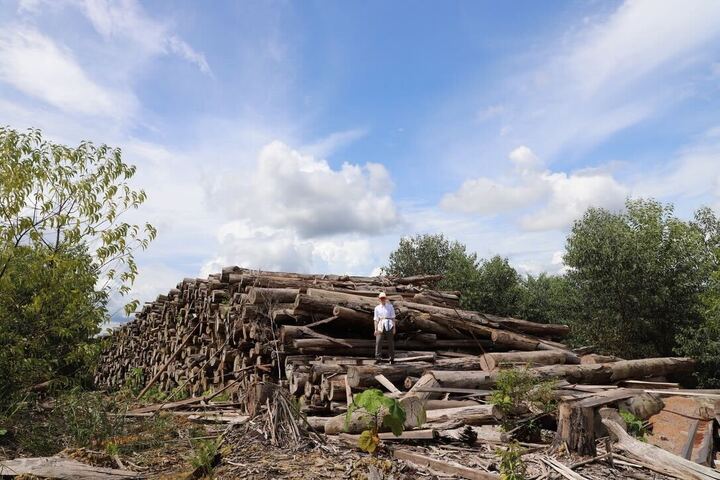
Yet, Australia destroys more than 700,000 acres of forest every year, higher than almost every country in the world. It’s even more than Indonesia, which receives a lot more attention.
The other big secret, unknown even to many Australians: the meat industry is responsible for two-thirds or more of this deforestation. The same players destroying the Amazon and polluting the climate are also responsible in Australia: JBS utterly dominates Australian meat – with five times greater volume than the second-largest processor, Cargill. Much of that JBS meat is then exported to the United States, Japan and Korea.
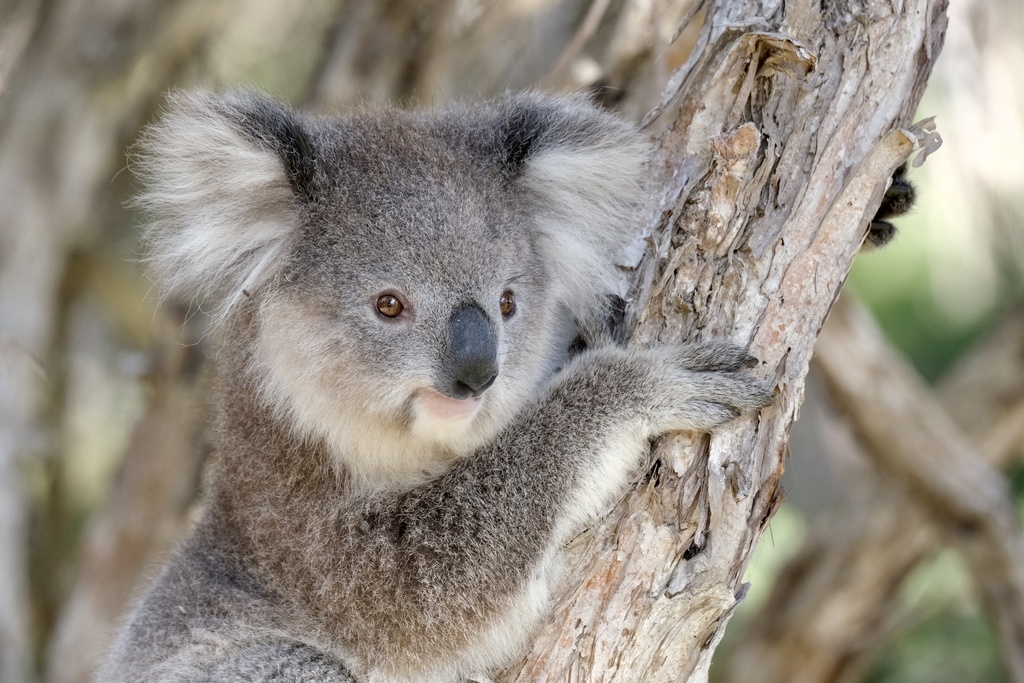
Koalas, kangaroos, greater gliders, and Australia’s amazing diversity of bird life, like pink cockatoos, are all being driven out of their habitat. Every hundred hectares of deforestation in Australia kills 2,000 birds, 15,000 reptiles and 500 native mammals. That translates into the injury, displacement and deaths of 50 to 100 million native Australian animals every single year.
So why are McDonald’s and other companies still selling Australian beef from suppliers like JBS and Cargill?
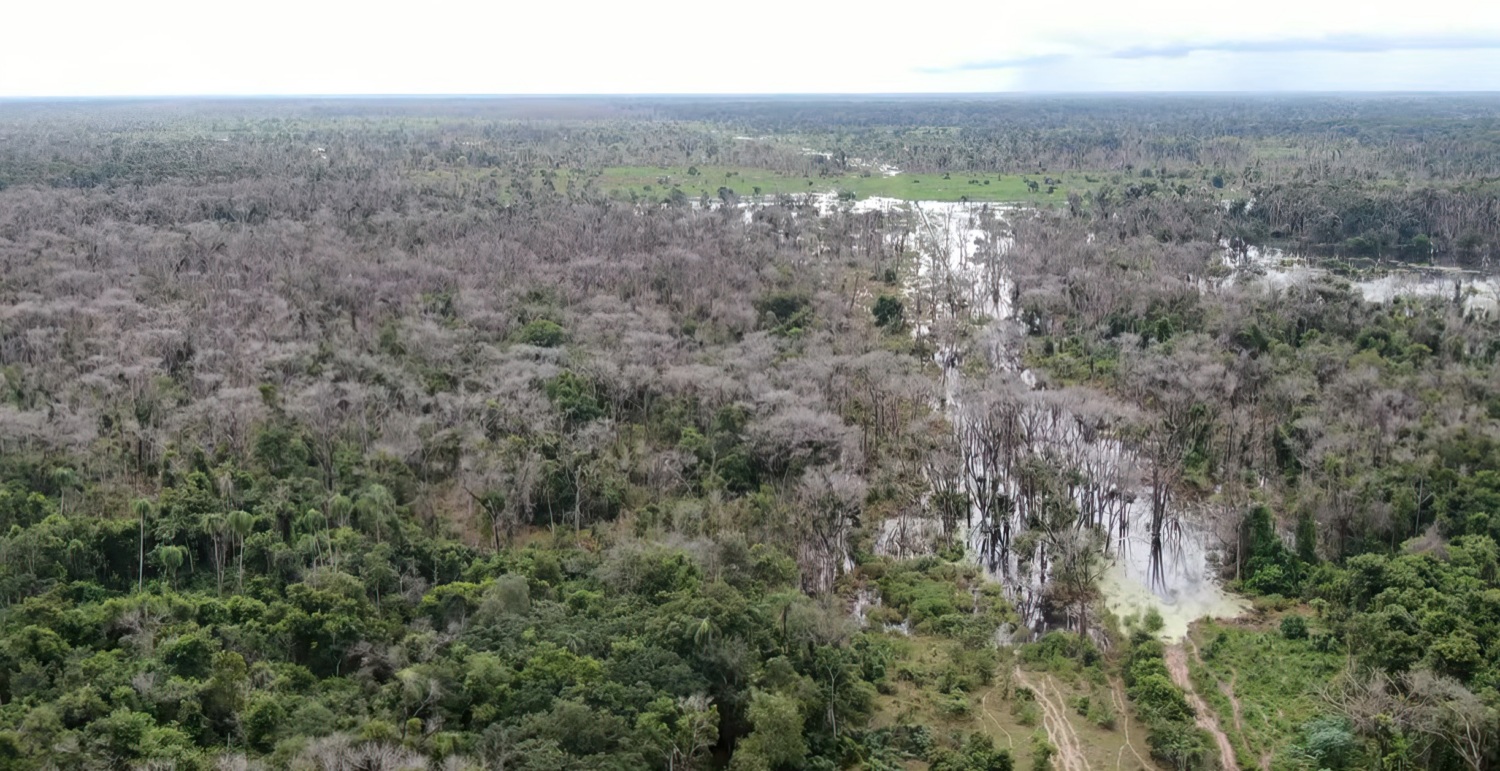
Global outcry has often focused – not incorrectly – on the meat industry’s deforestation in Latin America. As a result, many companies have adopted policies that ban products sourced from deforested lands in the Amazon and other key ecosystems.
But a giant, Australia-sized loophole has gone largely unnoticed. Beef and other products sourced from Australia are often exempted from conservation policies, and so destruction has run rampant, giving Australia the highest rate of deforestation in the developed world.
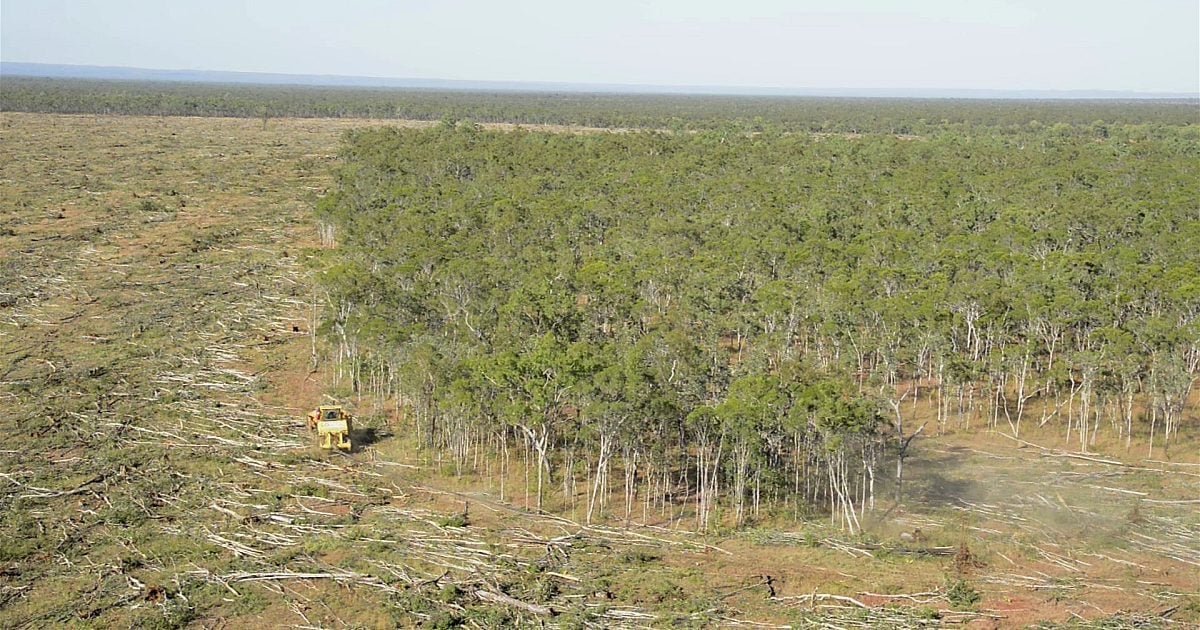
The devastation is as damaging to Australian ecosystems as it is to those in Indonesia, Brazil, or any of the other countries where we work. Indeed, because agriculture already covers more than half of the Australian land mass, this ongoing deforestation imperils Australia’s iconic and endangered species by destroying what remains of their homes.
And deforestation worsens erosion and runoff, choking rivers with soil that flows out to sea and smothers the Great Barrier Reef in mud even as the increased climate pollution contributes to ocean acidification and coral bleaching.
All of this just to make room for yet more cattle, mostly for export to other countries – and all those McDonald’s storefronts. Mighty Earth, working with local partners including the Australian Conservation Foundation, is working to close this loophole and end the destruction of Australian forests.
This week, Mighty Earth activists traveled to Busan, South Korea, where delegates from nearly 200 countries were gathering to discuss how to protect the world’s most precious natural and cultural heritage sites – including the Great Barrier Reef. We staged a protest outside, targeting McDonald’s and the delegates with one message: protecting World Heritage sites means tackling the corporate drivers of climate change and deforestation like Macca’s (the Aussie name for McDonald’s).
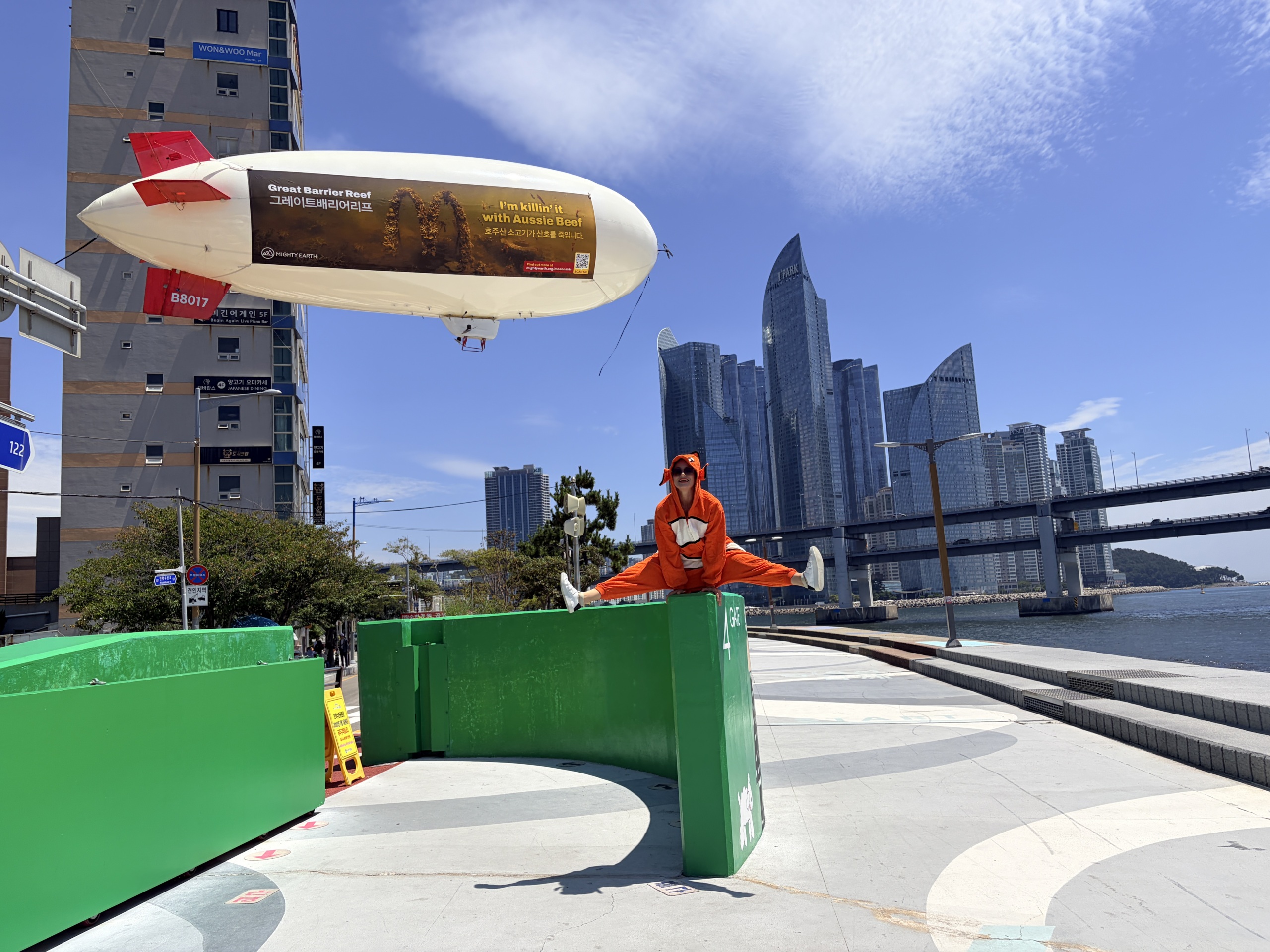
Our campaign to transform the meat industry now reaches from the United States to Brazil to Europe to Korea to Australia. Everywhere, we are fighting to protect nature and climate – and showing companies how a better protein industry is possible.
We’re making some progress on many fronts, and I hope to be able to report the same soon Down Under.
—
© 2026. The text of this article is openly licensed under Creative Commons (CC BY-ND 4.0); you are free to copy and redistribute or republish the article in its entirety with attribution and credit.