CEO Note: Breakthrough for Colombia’s forests
By Glenn Hurowitz, Founder & CEO
Colombia has become the first rainforest nation to require nationwide cattle traceability. That means meat companies will finally have to trace cattle back to their origin and determine whether or not they are linked to deforestation. This is an important precedent for the meat industry: It’s simply hard to stop the sale of beef linked to deforestation or land-grabbing if you don’t know where it comes from.
This is a big deal for Nature: Colombia is home to the third largest population of jaguars in all of Latin America and has worked to create wildlife corridors for them. It also hosts more bird species than any other country on Earth, far surpassing even larger countries like the United States.

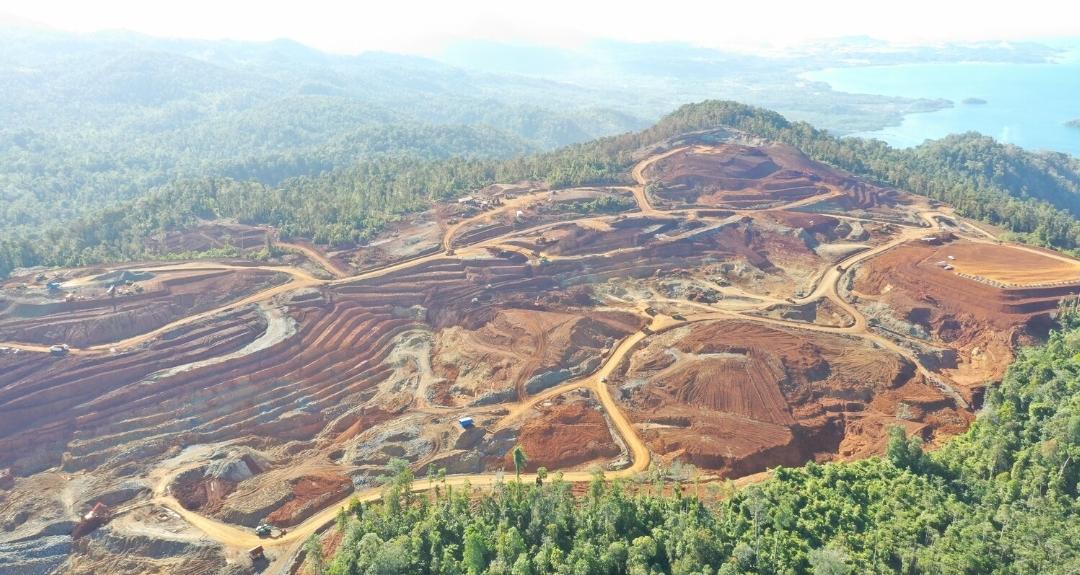
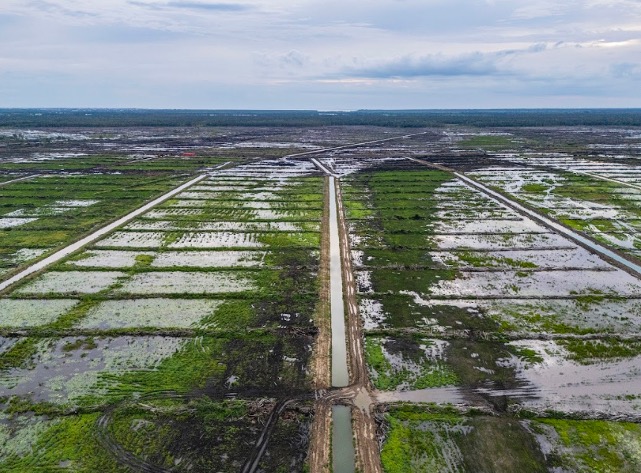
But the cattle industry has systematically destroyed millions of acres of Colombia’s forests – more than 200,000 acres last year alone.
To put that number in perspective, coca production (the base ingredient for cocaine) gets a lot of attention and some deserved blame for contributing to forest destruction. But a study in the journal Nature found that in Colombia, cattle drive a whopping 60 times the amount of deforestation as coca. When it comes to Colombia’s nature, cattle not coke is the main driver of destruction.
Many organizations and people contributed to building the political support and understanding for this law over the last several years. Mighty Earth has been proud to support the work of Envol Vert Colombia, which has played an important role in building awareness and political support for cattle traceability. For years, its team has worked directly with ranchers, local communities, Indigenous organizations and public authorities to show that protecting forests and improving cattle production can go hand in hand.
We’ve also supported Indigenous allies COIAB, FEPIPA, FEPOIMT, and OPIAC in a lawsuit in France against supermarket chain Casino Group, which bought cattle from suppliers linked to extensive deforestation and land-grabbing.
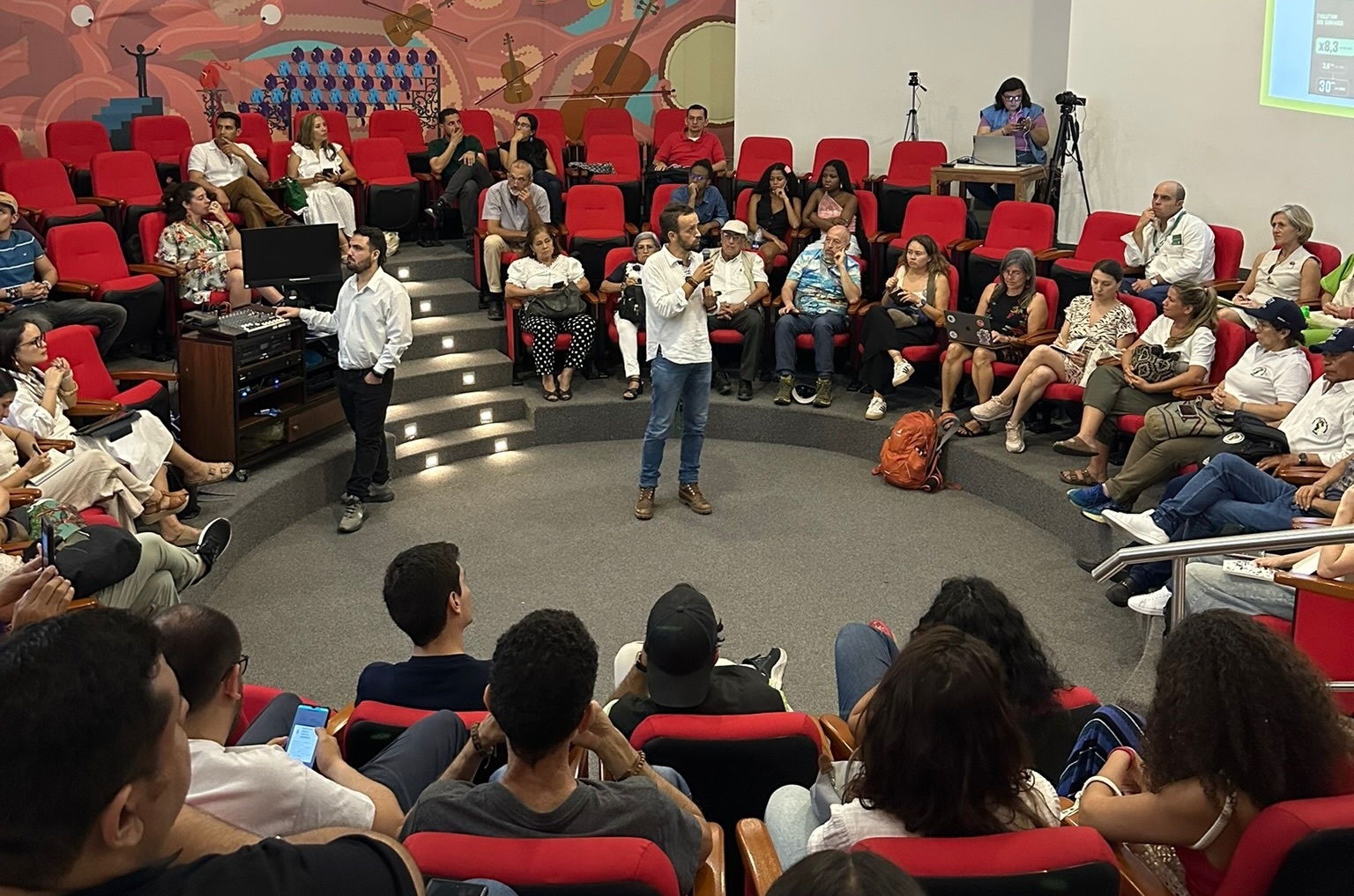
What Colombia is doing can be implemented right away by South American governments like Brazil and Bolivia with large cattle herds, and we’ll be supporting work to make that happen.
But there’s no need to wait for policy action that could be stymied by anti-environment lobbying. The largest meat companies in the world can and should require traceability now:
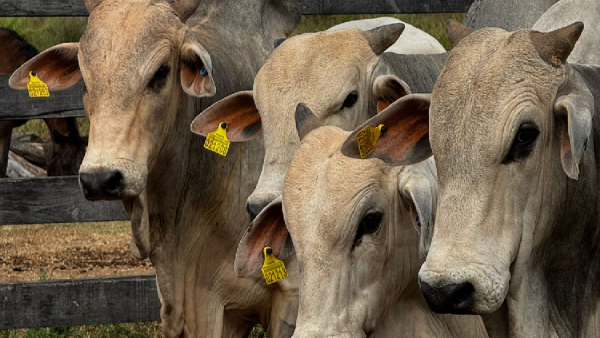
Tagging cattle costs less than $2 per cow. That’s about 1/500th of the value of the cow at sale. Although unscrupulous companies like Minerva Foods and JBS whine about it a lot, the reality is that tracking cows is cheaper and easier than pretty much any other agricultural product.
They weigh 1100 pounds, move slowly, and you can just put an ear tag on them to track their history. The world’s second largest cattle company Marfrig Global Foods has already announced a policy to require traceability. And tracking cattle can also help deploy solutions that can reduce methane and other emissions as well.
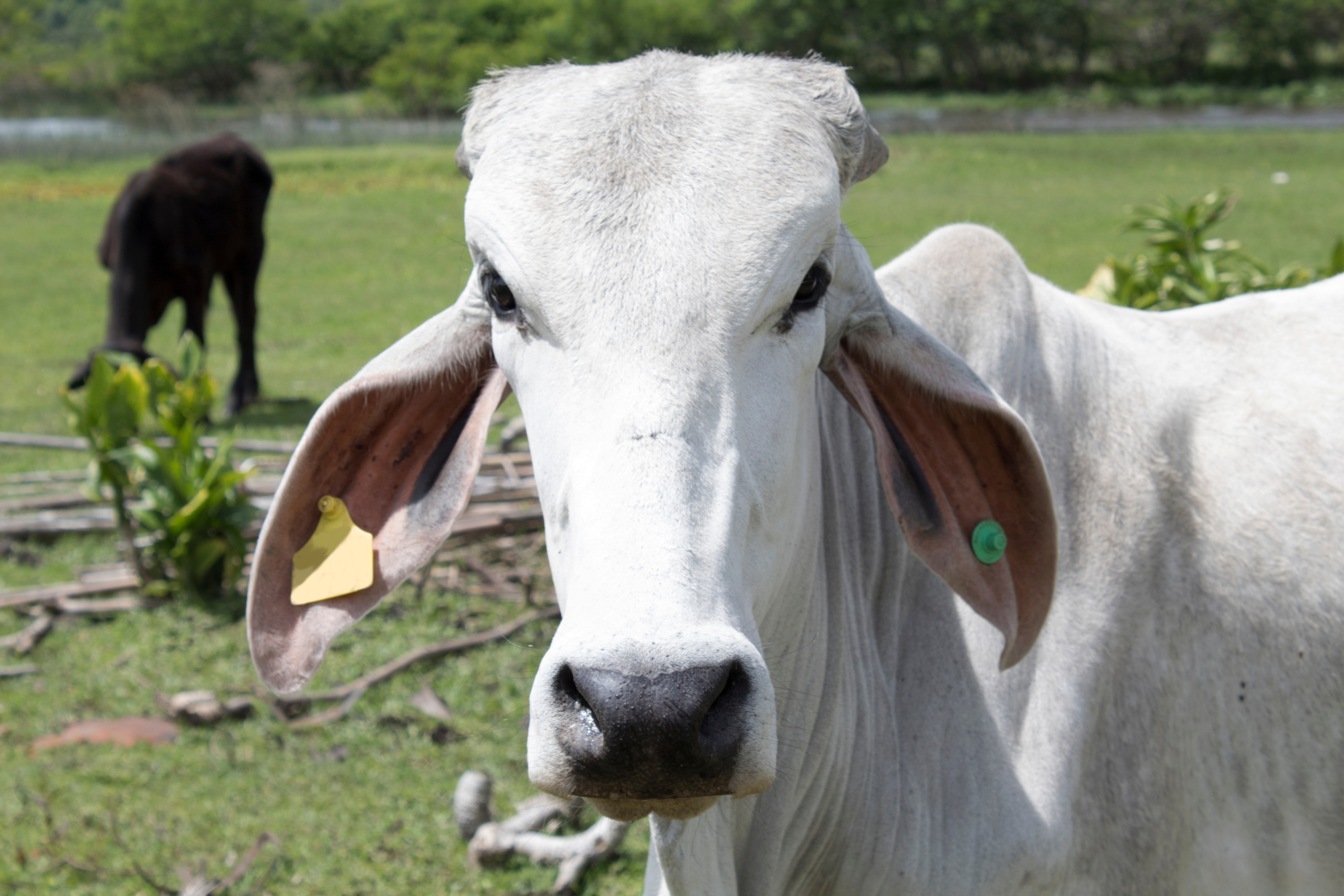
There really is no excuse for a supplier that can’t tell its customers where the beef they sell comes from. And these customers – supermarkets and fast-food companies – just shouldn’t be selling beef if they have no idea where it comes from.The technology exists. The cost is negligible. The only missing ingredient is political and corporate will.
With the passage of this law, we’re going to be supercharging our calls for the cattle kingpins to take these simple steps. In the meantime, bravo Colombia and all the Colombians who helped make this breakthrough happen.
—
© 2026. The text of this article is openly licensed under Creative Commons (CC BY-ND 4.0); you are free to copy and redistribute or republish the article in its entirety with attribution and credit.