McDonald’s Climate Commitments are Cooked
The seasons of 2026 have ushered in bad news for the planet: Winter in the Western US was the driest and hottest on record, intensifying the region’s drought. In spring, a new report linked large soy agribusinesses (Cargill, Bunge) to 600,000 acres of deforestation in the Amazon. And this summer, Europe experienced a heatwave that disrupted school schedules, public transportation, and killed more than 1,000 people. Climate change is turning up the heat. Now, more than ever, the world’s largest companies must reduce their impact on climate and nature.
But that’s exactly the opposite of what McDonald’s is doing. On May 19, McDonald’s announced that they do not expect to reach their 2030 (Scope 3) climate goal. The company did not commit to remedy this failure.
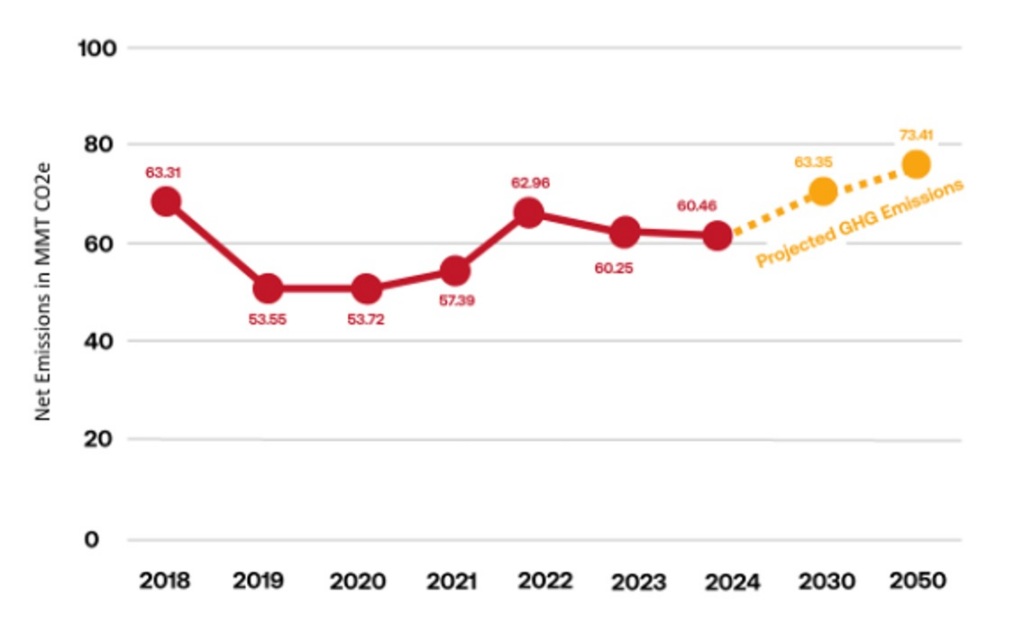
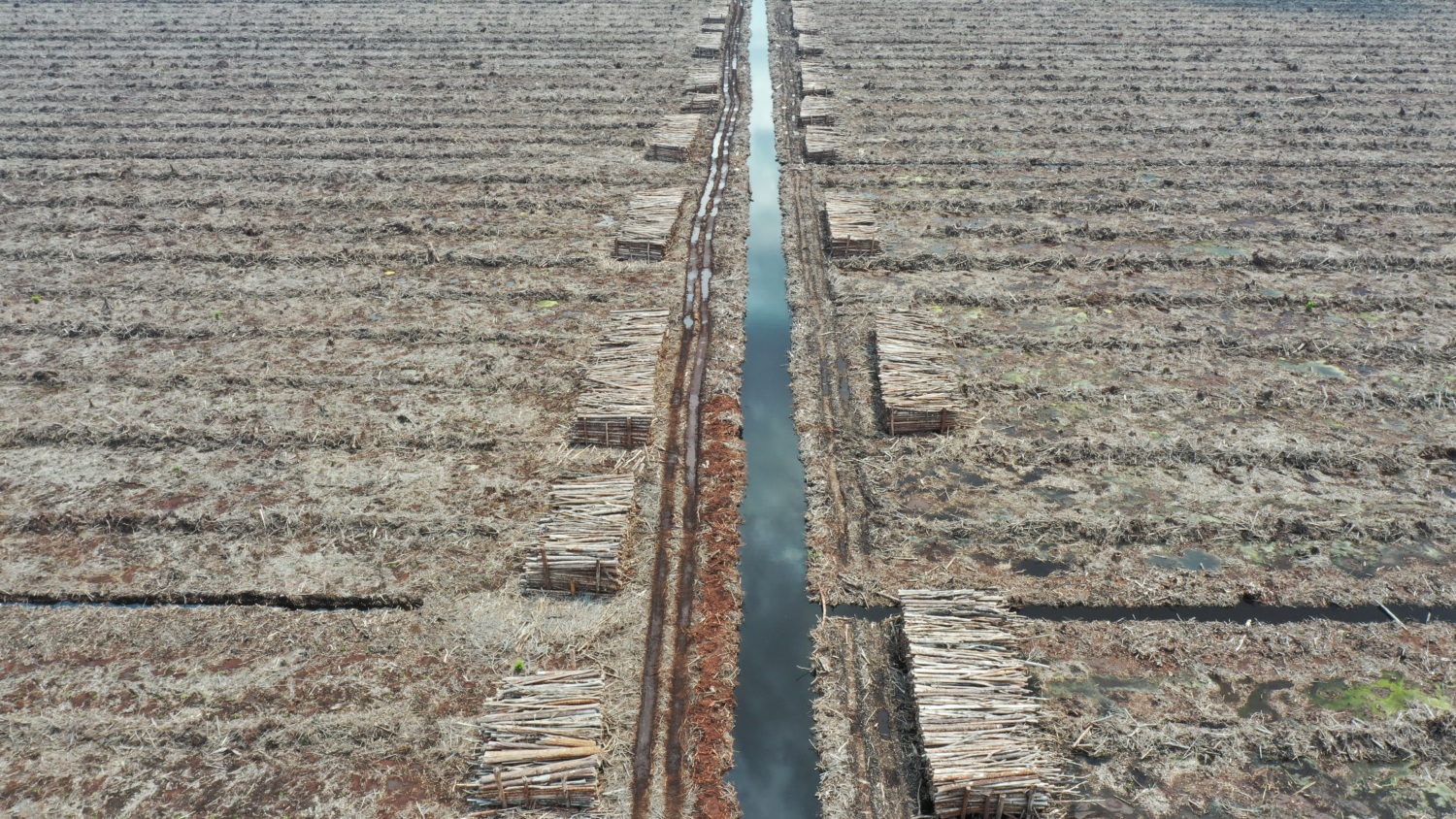
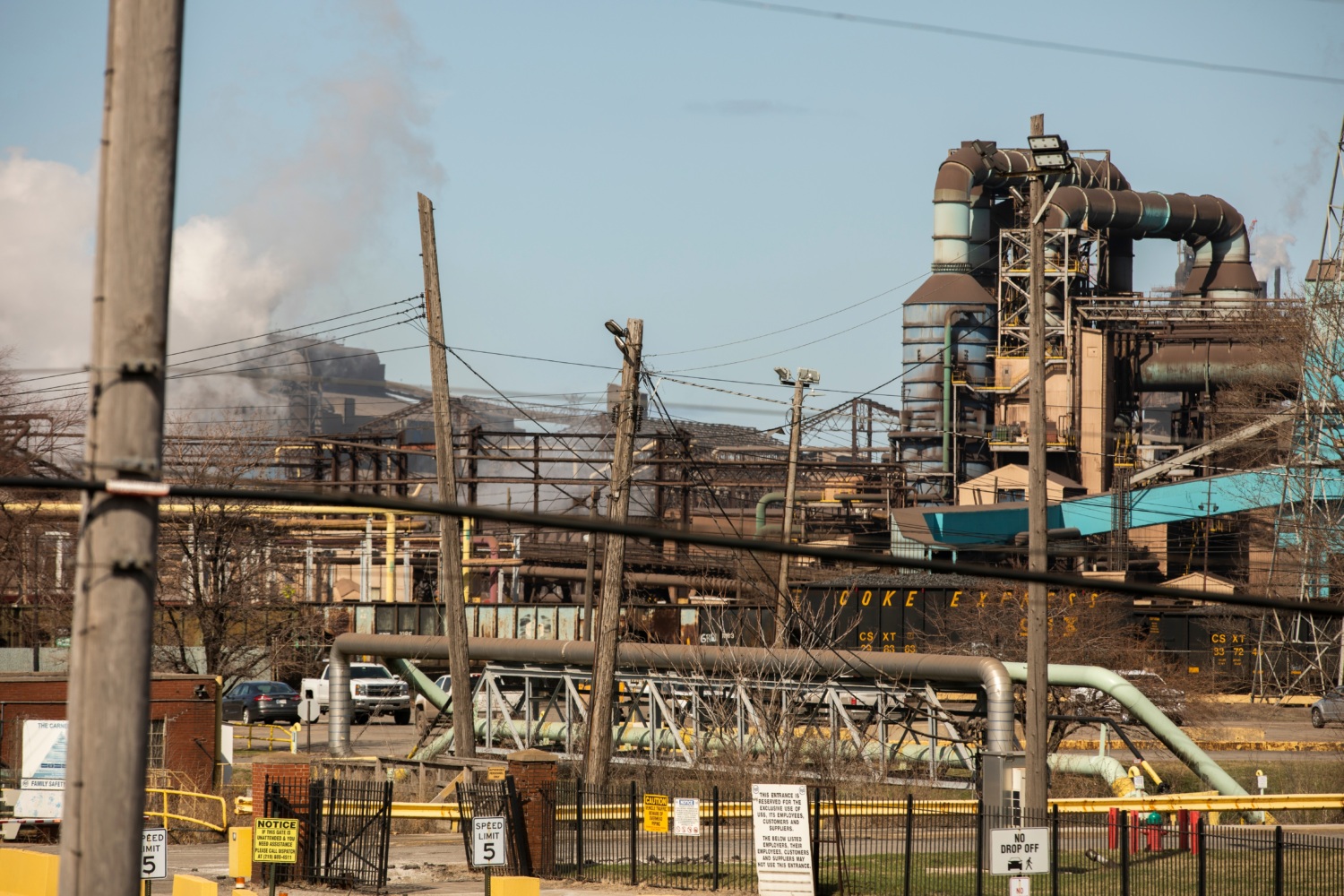
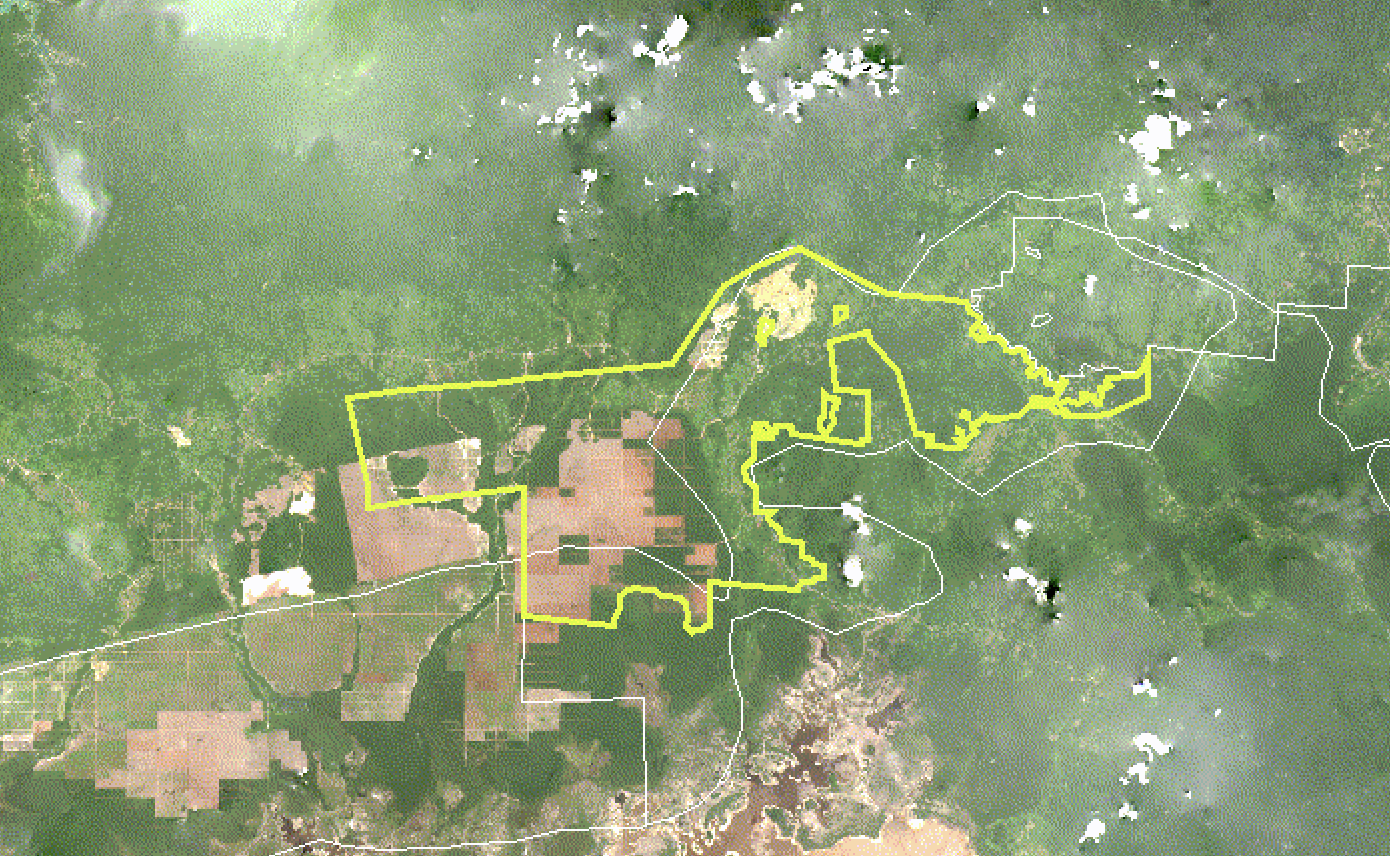
The ramifications of McDonald’s failure to meet its climate target is enormous. McDonald’s releases more than 60 million metric tons of greenhouse gases (in CO2e) each year – if McDonald’s was a country, it would be in the top 25% of polluters. Its nature footprint is equally impactful. Deforestation and land conversion releases carbon dioxide emissions and removes natural carbon sinks. Beef production is responsible for four times more deforestation than any other agricultural commodity – driving nearly 120 million acres of deforestation between 2001 – 2022. In the same time span, soy, more than 75% of which is grown to feed chicken, pork, and livestock, caused between 10-20 million acres of deforestation. McDonald’s is the largest purchaser of beef in the world. Its beef and soy (to feed chickens) supply chains have been linked to deforestation from the Amazon to Australia.
McDonald’s & The Reef
The dual whammy of McDonald’s climate and nature impact has a devastating effect on Australia’s iconic Great Barrier Reef. Each year, McDonald’s pollutes the climate as much as 16 coal-fired power plants. These climate-warming emissions increase sea temperatures, which results in mass bleaching of coral reefs, killing underwater ecosystems like the Great Barrier Reef. To make matters worse, McDonald’s beef supply chain is linked to degraded water quality that smothers the Great Barrier Reef. It is estimated that 65%-70% of McDonald’s stores worldwide sell Australian beef. The beef industry in Australia drove more than 700,000 hectares of deforestation in the water catchments for the Great Barrier Reef between 2018 -2023. Without tree roots to stabilize soil, erosion occurs on deforested land, and soil flows into rivers, eventually dumping hundreds of thousands of tons of mud onto the reef, smothering and killing the corals. If we want to protect the world’s greatest treasures, like the Great Barrier Reef, McDonald’s must reduce its climate and nature impact. |
McDonald’s Commitments
Climate change and deforestation are global crises. But what can a burger company do about it? According to a blog post by McDonald’s in 2020, “The answer may surprise you. McDonald’s feeds millions of people around the world every day and with that comes a responsibility – and opportunity – to use our size and scale to help transform the global food system for the better.”
That’s why McDonald’s promised customers, shareholders, and other stakeholders to reach net-zero emissions by 2050. By 2030, McDonald’s committed to:
- Reduce Scope 1 and 2 emissions and Scope 3 energy and industrial emissions by 50.4% (2018 base year);
- Reduce Scope 3 Food, Land, and Agriculture emissions by 16% (2018 base year);
- Eliminate deforestation across supply chains.
McDonald’s Scope 1 and 2 emissions refer to all greenhouse gas emissions originating from its business operations and purchased energy to power its business. McDonald’s Scope 3 emissions capture everything else: emissions from agriculture, emissions from deforestation and land conversion to grow soy and raise cattle, emissions from franchised businesses, food waste along the supply chain, and more.
99% of McDonald’s carbon footprint is Scope 3.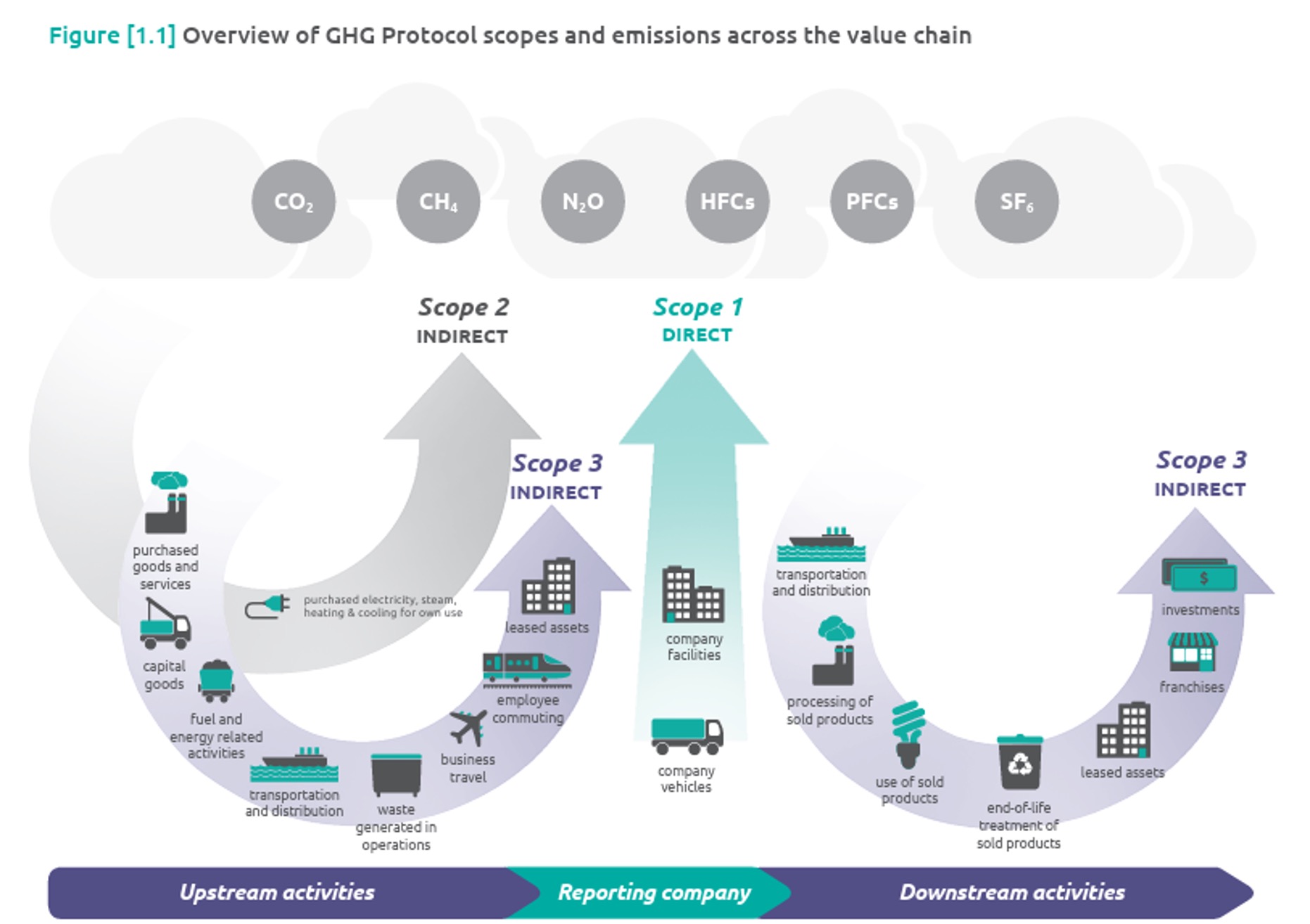
McDonald’s Rejects Accountability for its Failure
Despite having a self-proclaimed responsibility and opportunity to use its size and scale to tackle the climate and nature crises, McDonald’s refuses to accept responsibility for giving up on its 2030 Scope 3 climate commitment. Instead, McDonald’s blames external forces for its own impending failure, such as global and systemic policies, supply chains, geopolitical events, and the energy transition. McDonald’s doesn’t acknowledge its own powerful influence as the world’s largest and most iconic fast food brand. If McDonald’s was sincerely committed to its goals, it could take actions to support policies that improve food systems. For example, in 2008, McDonald’s played a pivotal role in the adoption of the Amazon Soy Moratorium (ASM) – a voluntary corporate agreement to not purchase soy from deforested areas in the Amazon, which has helped reduce deforestation in the Amazon by as much as 80%. Yet in the past year, McDonald’s has remained silent as the ASM faces dissolution that could increase deforestation by 30% by 2045. Similarly, McDonald’s could wield its brand, influence, and wealth to support the European Union Deforestation Regulation, which would prohibit agricultural commodities like beef and soy from being sold in the EU if they come from deforested areas. In the US, McDonald’s could support corporate climate data disclosure laws, which would increase transparency around greenhouse gas emissions. Instead, McDonald’s does nothing.
McDonald’s Ignores the Cow in the Room
Perhaps the most frustrating aspect of McDonald’s failure to meet its 2030 targets is that there is an obvious mechanism for the company to drive down emissions and reduce its nature impact: diversify its protein offerings.
Beef is far and away the greatest obstacle to McDonald’s achieving its climate and nature commitments. Chicken, dairy, and other meat products are not far behind. The production of beef releases methane – a greenhouse gas 86 times more powerful than carbon dioxide in the short term. The deforestation and land conversion that occurs to produce beef and soy (used to feed chicken, and pigs) is a major source of carbon dioxide. McDonald’s menu in its current iteration is incompatible with its climate and nature targets, and even more to the point, incompatible with a stable climate.
McDonald’s competitors have recognized this uncomfortable truth and are acting upon it. Burger King consistently invests in promotions for lower-emitting plant-based menu items, including by reducing the cost of plant-based foods in Germany restaurants, operating fully plant-based pop ups in the UK, and investing in marketing campaigns for plant-based options in Spain and the US.
In some markets, demand for plant-based and alternative proteins is low, but it is also a burgeoning, underfunded sector facing political backlash. Support from companies like McDonald’s is critical for increasing investment, improving distribution channels, creating positive advertisements, and overall growing cultural acceptance of plant-based and alternative proteins. And the effort would be mutually beneficial: plant-based and alternative proteins have the potential to be one of the greatest and fastest solutions to climate change and nature destruction; thereby stabilizing the climate and preventing widespread food systems disruptions. Unfortunately, at a global level, McDonald’s has failed to prioritize long-term stability and sustainability over short-term profits, even in the face of losing all environmental credibility with consumers and trust with climate-conscious investors.
Will McDonald’s continue evading the responsibility that comes with its scale and influence? We’re hoping not – because when it comes to climate and nature, McDonald’s is killin’ it.