Amazon Soy Moratorium Ruled Constitutional: Now It’s Companies’ Turn to Act
In the last year, legal and antitrust challenges had cast doubt over the future of the vital Amazon Soy Moratorium. But this month, Brazil’s Supreme Court has now made it clear: the Moratorium is constitutional, and companies have every right to maintain environmental standards that go beyond the legal minimum.
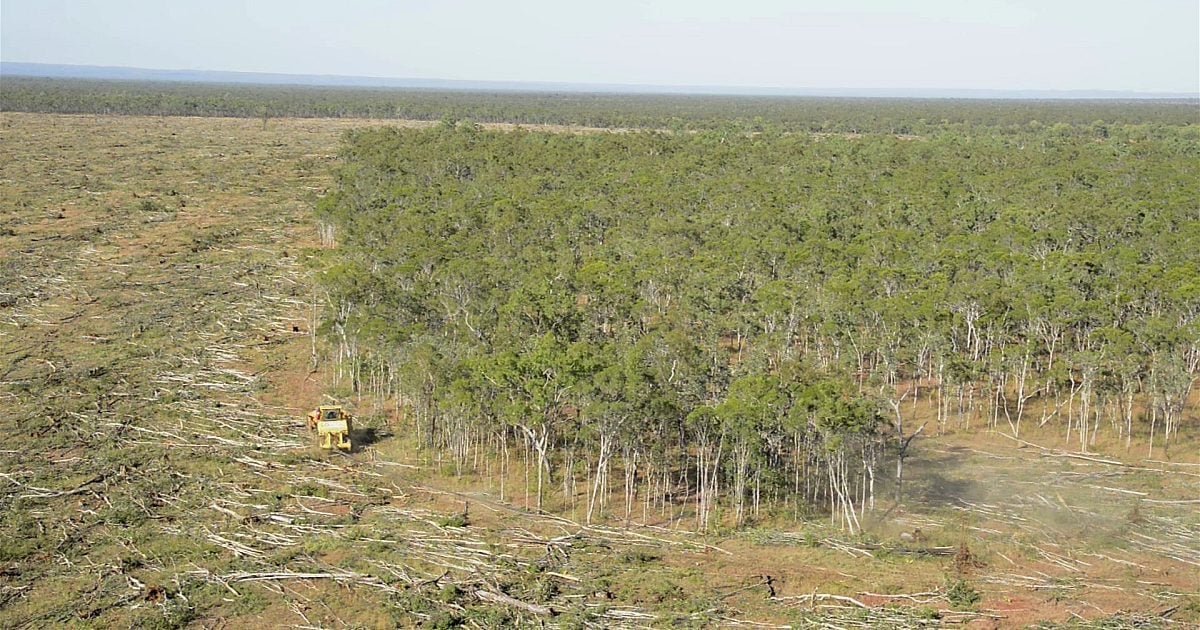
This precedent matters because for 20 years, the Moratorium has massively reduced Amazon deforestation without affecting soy production. It has prevented an estimated 1.8 million hectares of forest loss, all while soy volumes continued to grow. This new decision means that now the responsibility shifts back to the market.
Global soy traders and retailers that have long supported the Moratorium have no more excuses for not keeping their commitments to the agreement. Together with meat and dairy companies, feed producers and other soy users, these companies must:
- Put the moratorium’s 2008 deforestation cut-off directly into their sourcing policies
- Require full farm-level traceability
- Reject both legal and illegal post-2008 Amazon deforestation
- Refuse soy – and animal products fed with soy – from traders that do not comply with the Moratorium’s criteria
- Deliver deforestation- and conversion-free supply chains now
These steps are essential, but they are also just the start. The Amazon cannot become an island of protection while soy-driven destruction simply shifts elsewhere, especially to the Brazilian Cerrado.
Real conservation means extending effective safeguards to other threatened ecosystems – from the Cerrado to Bolivia and beyond. It’s time for no deforestation, no conversion and no geographical loopholes.
The Brazilian Supreme Court has settled the legality question. The question for companies now is much simpler:
Will they actually enforce the forest commitments they have made?
Learn more about the connection between global food companies and deforestation at our Soy and Cattle Deforestation Monitor.