Activists deliver 100,000 signatures to major RV manufacturers in Indiana
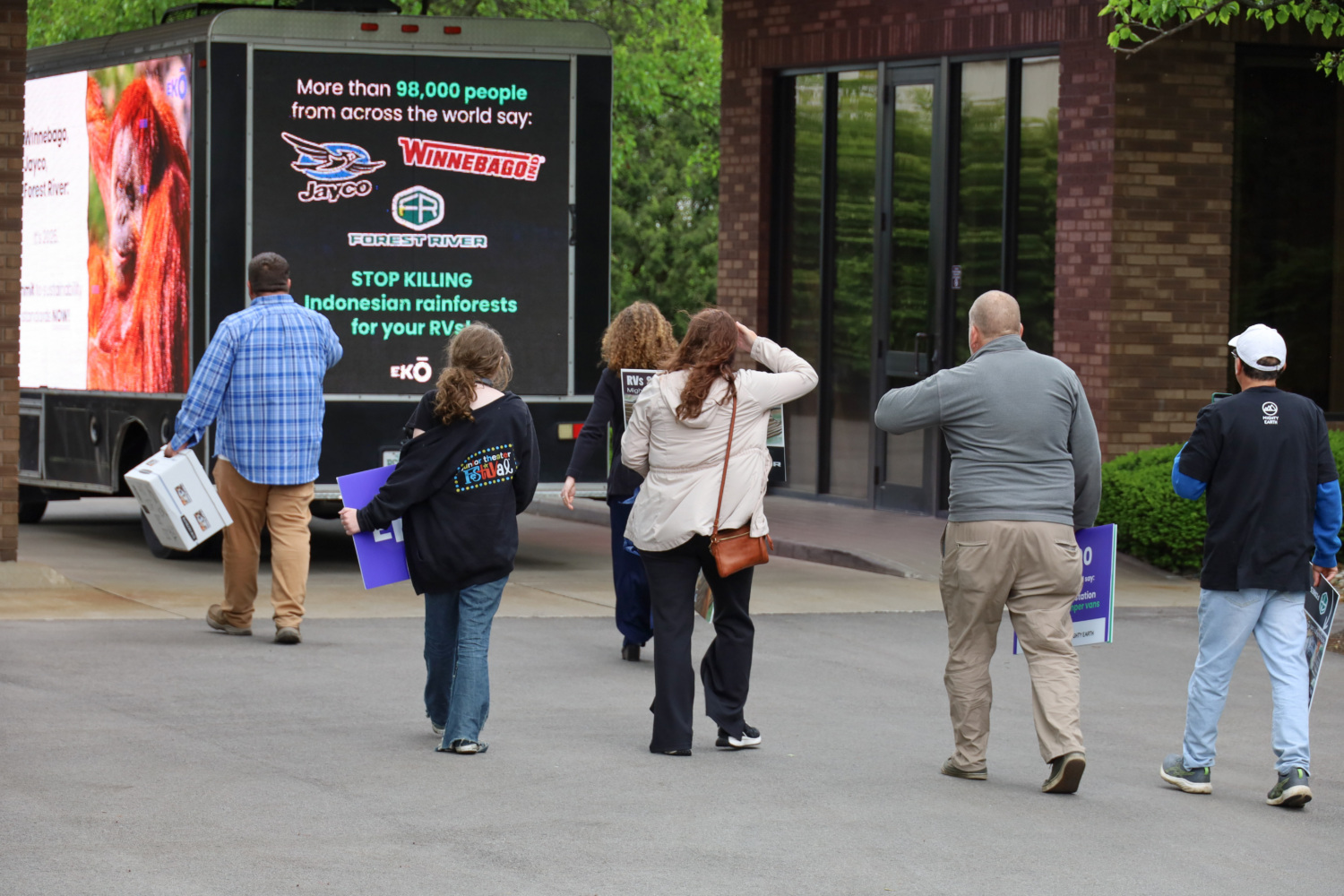
[Elkhart, Indiana] — Environmental activists, accompanied by a roving billboard, delivered 100,000 petition signatures to RV industry corporations linked to deforestation, biodiversity loss, and attacks on Indigenous communities in Indonesia. On Tuesday, May 11, activists with Mighty Earth and Ekovisited the headquarters of THOR Industries, Patrick Industries, and Forest River, as well as a regional office of Winnebago Industries, demanding the industry take immediate action to end destructive sourcing practices.
Rose Volmer, Campaign Manager for Eko said: “The RV industry has been flying under the ‘deforestation radar’ for far too long. Consumers around the world are increasingly shocked by the scale of clear-cutting and bulldozing in some of the world’s most important rainforests, driven by these supply chains.”
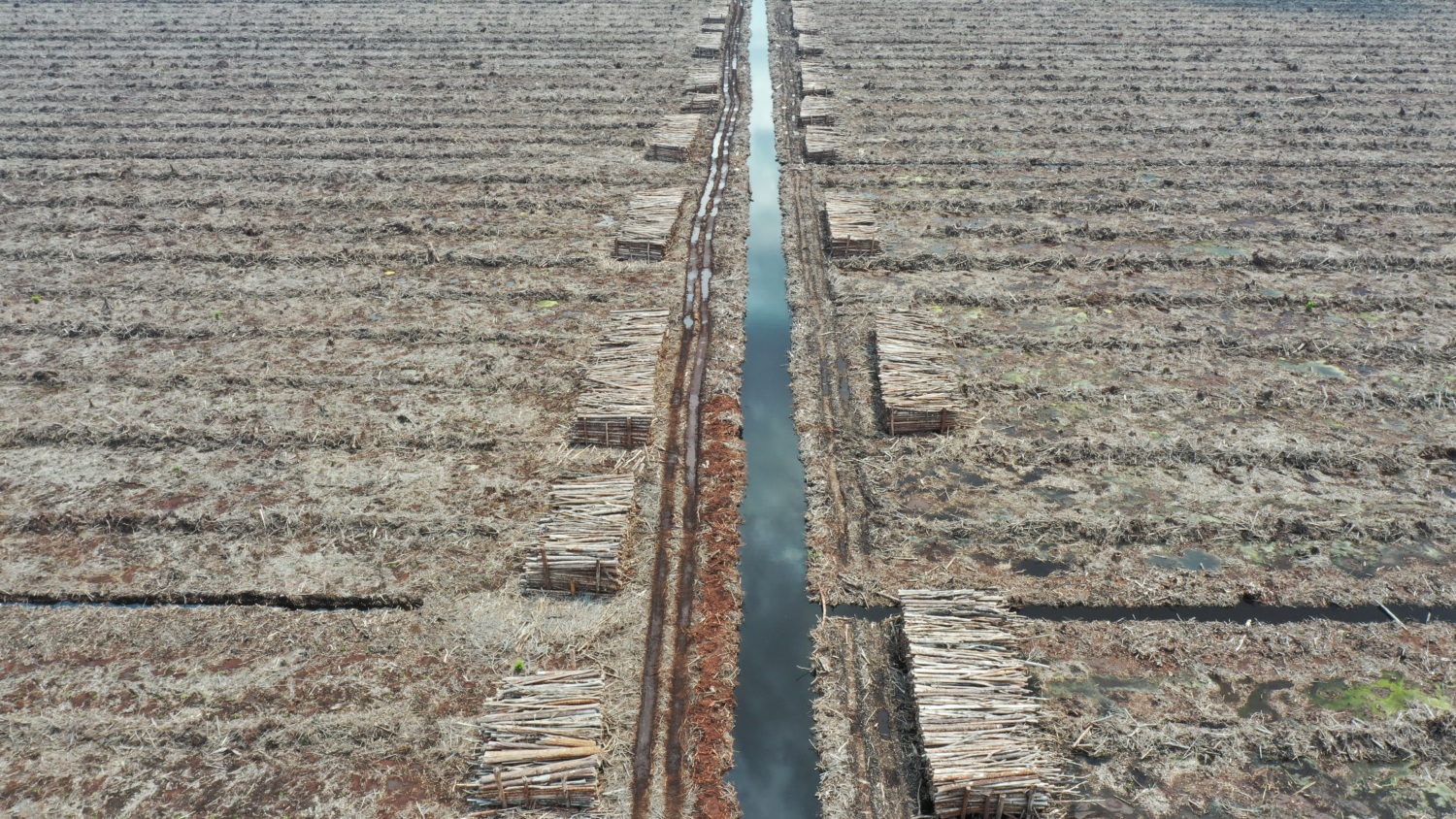
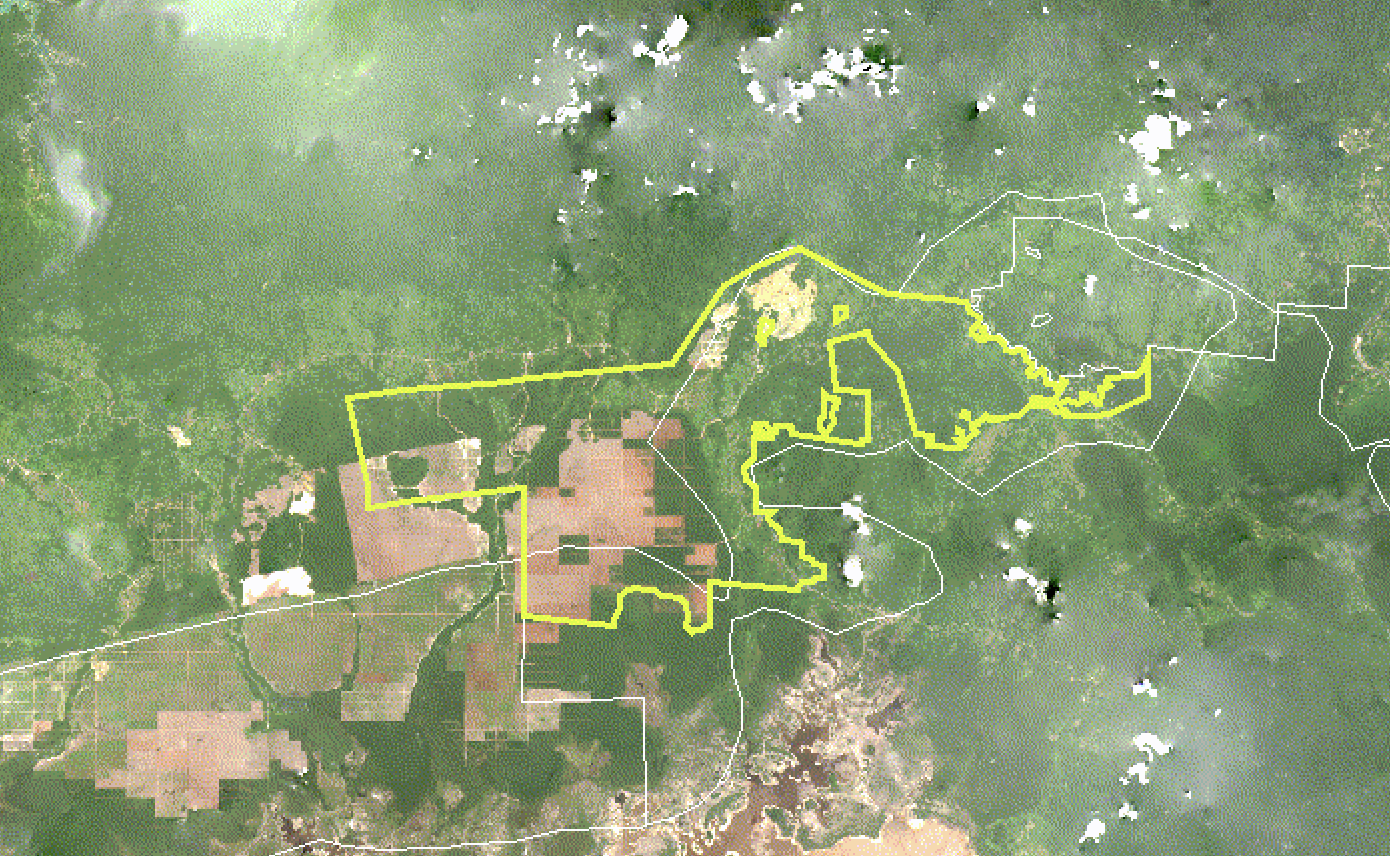
Vast areas of carbon-rich peatlands and orangutan habitat in Borneo have been cleared for plywood production, with much of that plywood ultimately shipped to the Elkhart area for RV assembly. Indigenous communities and environmental organizations in Indonesia have worked tirelessly to expose the devastating impacts of deforestation, biodiversity loss, and violations of community and land rights.
In late February 2026, Mighty Earth placed billboards throughout Elkhart and St. Joseph Counties demanding change from the RV industry. Environmental organizations have been trying to meet with RV executives since August, with little to no response.
During the petition delivery, only Winnebago, at its Middlebury office, had a representative accept the petitions. Patrick Industries and Thor locked out the petition-delivery delegation, while Forest River executives refused a meeting.
Paul Steury, local resident and community leader, said:
“It’s time for change in the RV industry. I love Elkhart County; I don’t want us to be known as the place responsible for killing one of the great forests because these corporations refuse to do the right thing.”
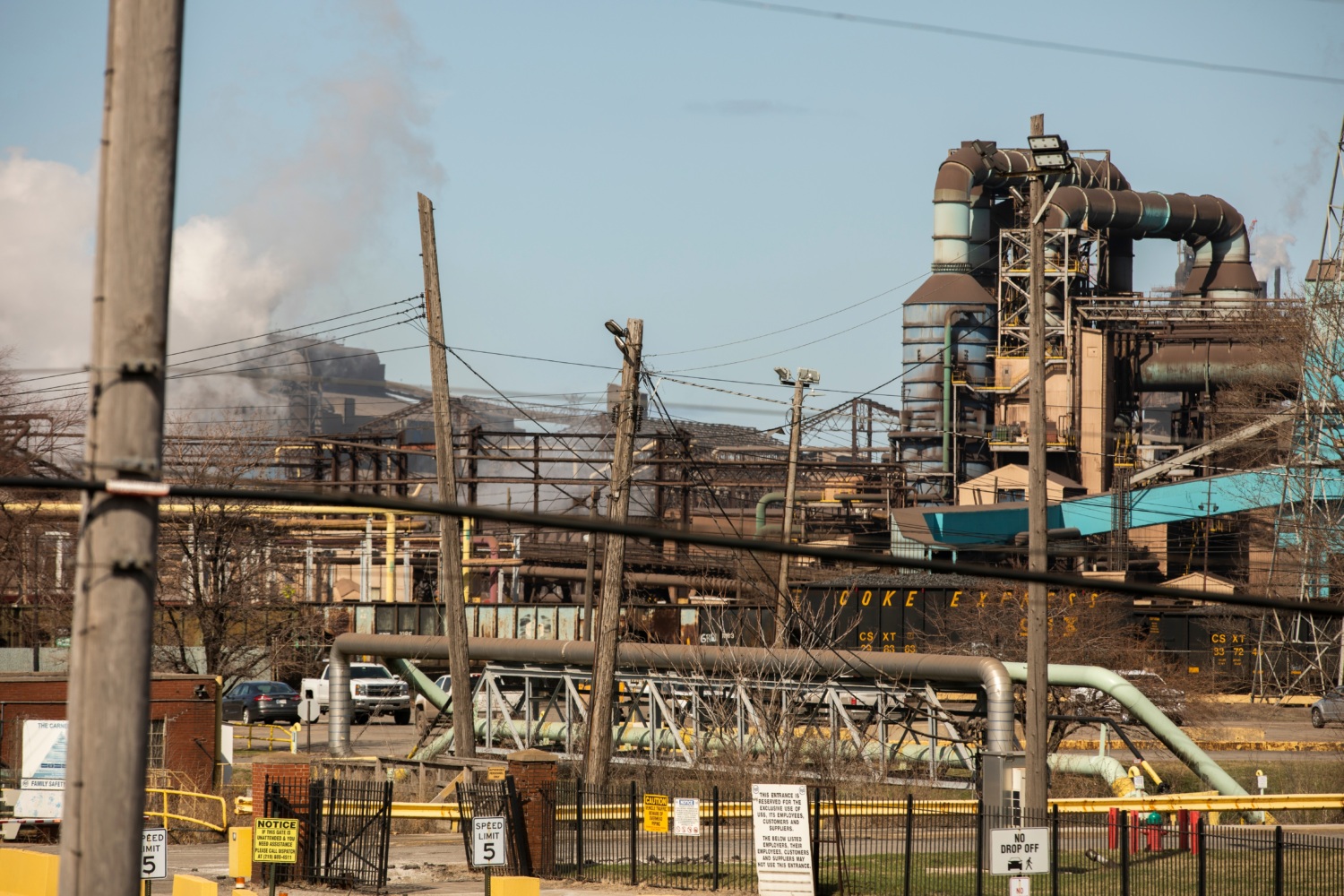
85% of the RVs in the United States are manufactured in Elkhart County. The industry has relied on meranti wood, sometimes known as Luan, since the 1970s, according to industry insiders. The meranti is typically hidden from view, but the average RV uses about 700 square feet of it. It’s normally found in the walls with fiberglass on either side and insulation padding. Each day, research from Earth Site shows that 500 trees a day are cut down in Indonesia, milled, and then shipped 10,000 miles to Elkhart County.
Mike Oles, Mighty Earth’s Indiana Director, said:
“We’re here in the backyard of some of the world’s biggest RV companies to demand they commit to using Forest Stewardship Council-certified wood, the same standard already adopted by companies like Home Depot. The people of Indiana and consumers across the country have made it clear: it is time for the RV industry to act. The RV industry has a responsibility to clean up its supply chains and stop driving the destruction of critical orangutan habitat.”
Ends
Useful links:
- Link to Mighty Earth Report: How American recreational vehicles came to destroy orangutan habitat in Indonesia
- Link to Press Release: Pressure Campaign targets RV Industry’s Use of Rainforest Deforestation Wood
Notes to the Editors: High-resolution images will be available upon request.