CEO Note: Win for Nature! Indonesian government announces end to “world’s largest deforestation project”
By Glenn Hurowitz, Founder & CEO
I am so happy to share that the Government of Indonesia announced this morning that it will stop clearing native ecosystems for its Food and Energy Estates project, and shift them to degraded lands. This represents the end of “the world’s largest deforestation project,” and has been the goal we have all been working towards the last two years. It is a colossal victory for Nature and climate. Hurrah!
President Prabowo’s Special Envoy for Environment and Climate Change Hashim Djojohadikusumo (also his brother) and his Special Envoy for International Trade and Multilateral Cooperation Mari Pangestu made twin announcements at the Indonesia Sustainability Forum in Jakarta a few hours ago.
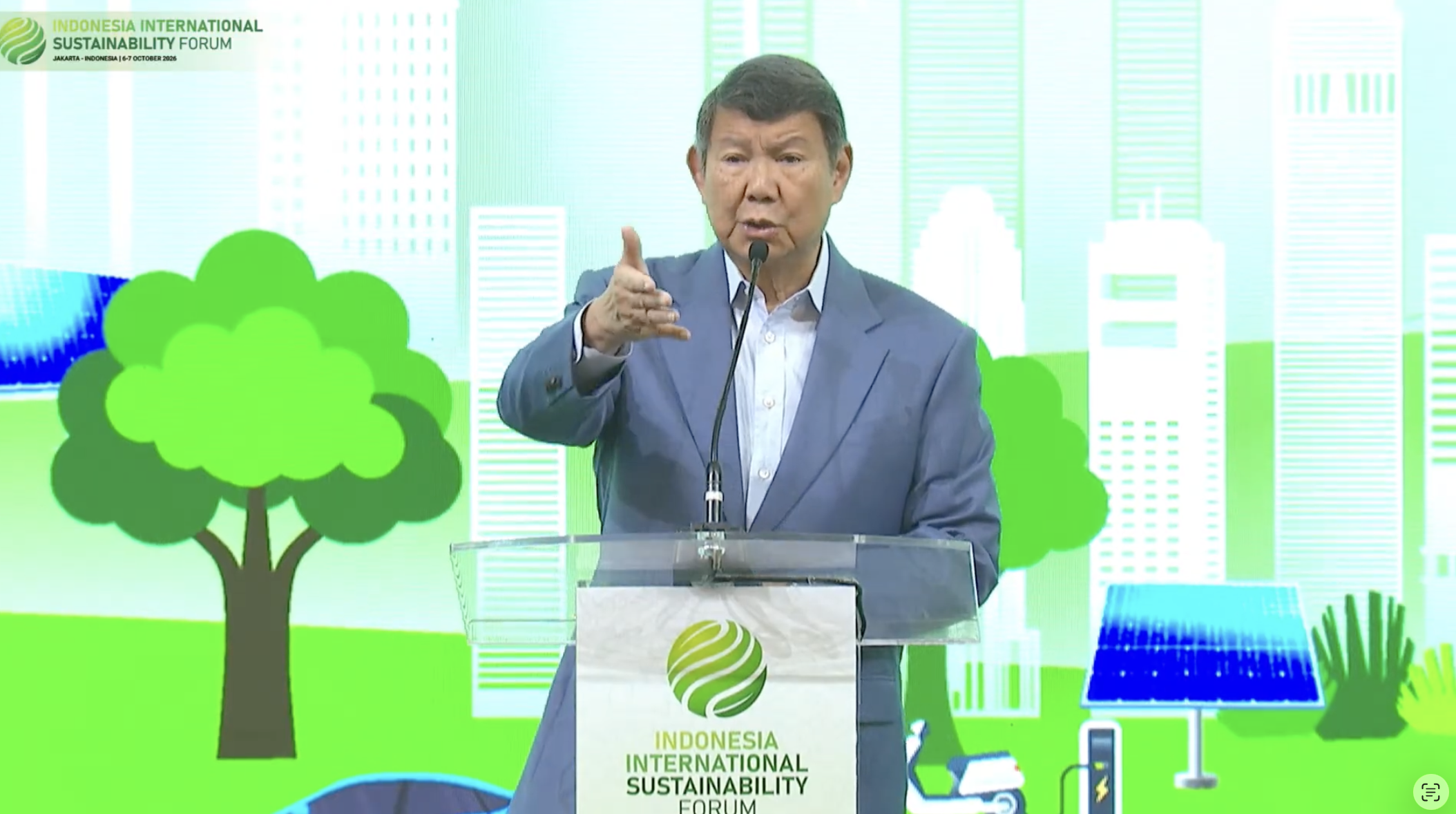
They said the shift to degraded lands will be a foundation of Indonesia’s efforts to improve the sustainability of agricultural production, including restoring soil and reducing methane pollution. It will also mark a shift from deforestation to undertaking the restoration of 12 million hectares of forest and other ecosystems. My colleague Amanda Hurowitz met with Ibu Pangestu immediately following to confirm the details. Excerpts and video of the public statements are below.
Mother Nature certainly needs good news. This decision creates a broader opening for Nature in Indonesia. The country has already led the world in showing how to expand agriculture without sacrificing forests — reducing commercial deforestation by approximately 90 percent. Now, it has the potential to also lead the way in conservation and restoration.
Achieving the government’s goal would restore habitat for endangered species, heal past damage to local communities, and suck gigatons of climate out of the air. It’s a huge undertaking, and Indonesia will need investment from philanthropy, donors, and the private sector to achieve it.
But the government’s support can create the conditions where this investment can succeed. While Mighty Earth is continuing to work with Indonesian allies on many nature and climate priorities in the country, with today’s announcement, we will be shifting substantial focus to driving conservation and restoration at scale.
As we celebrate, some background:
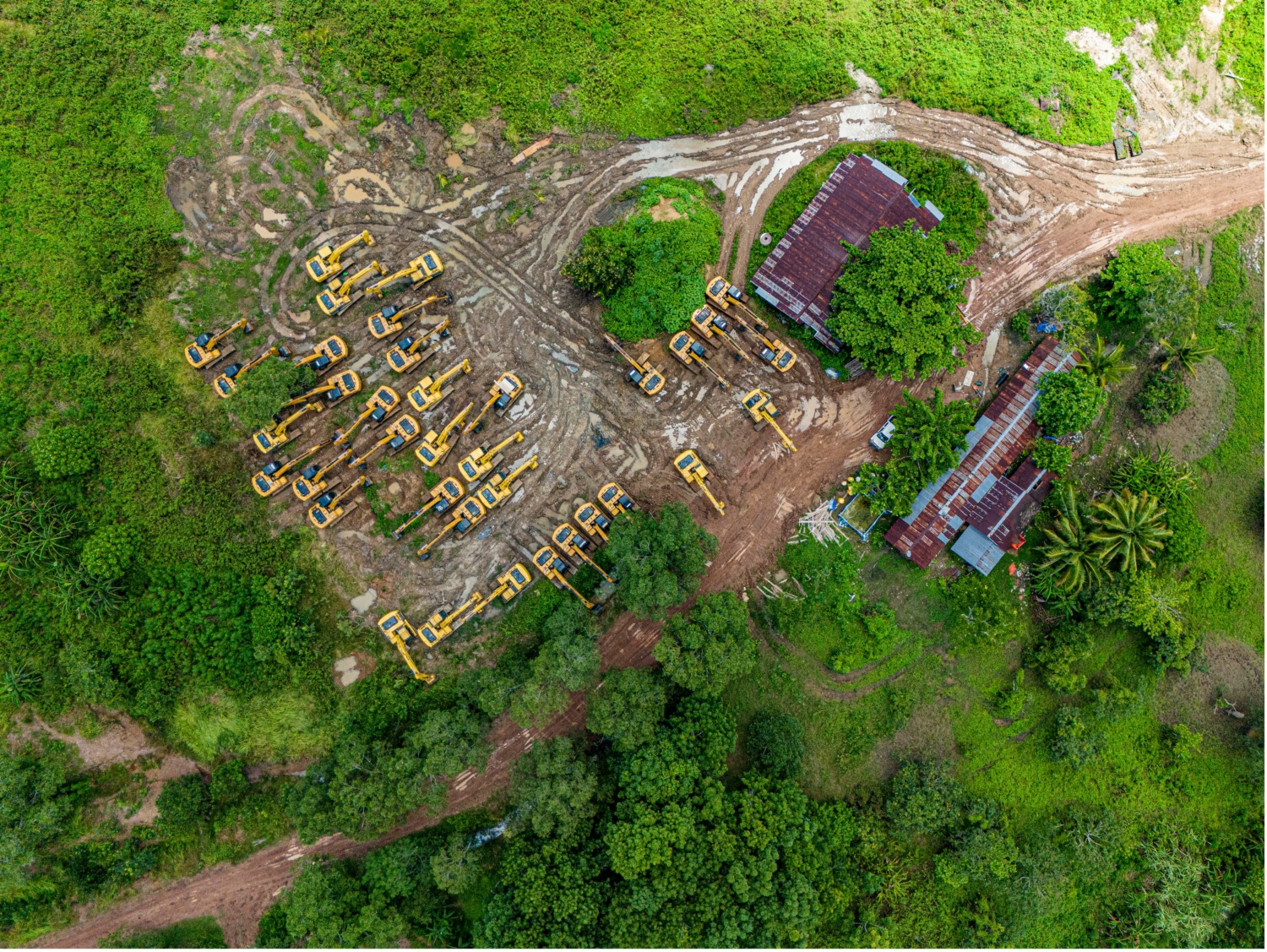
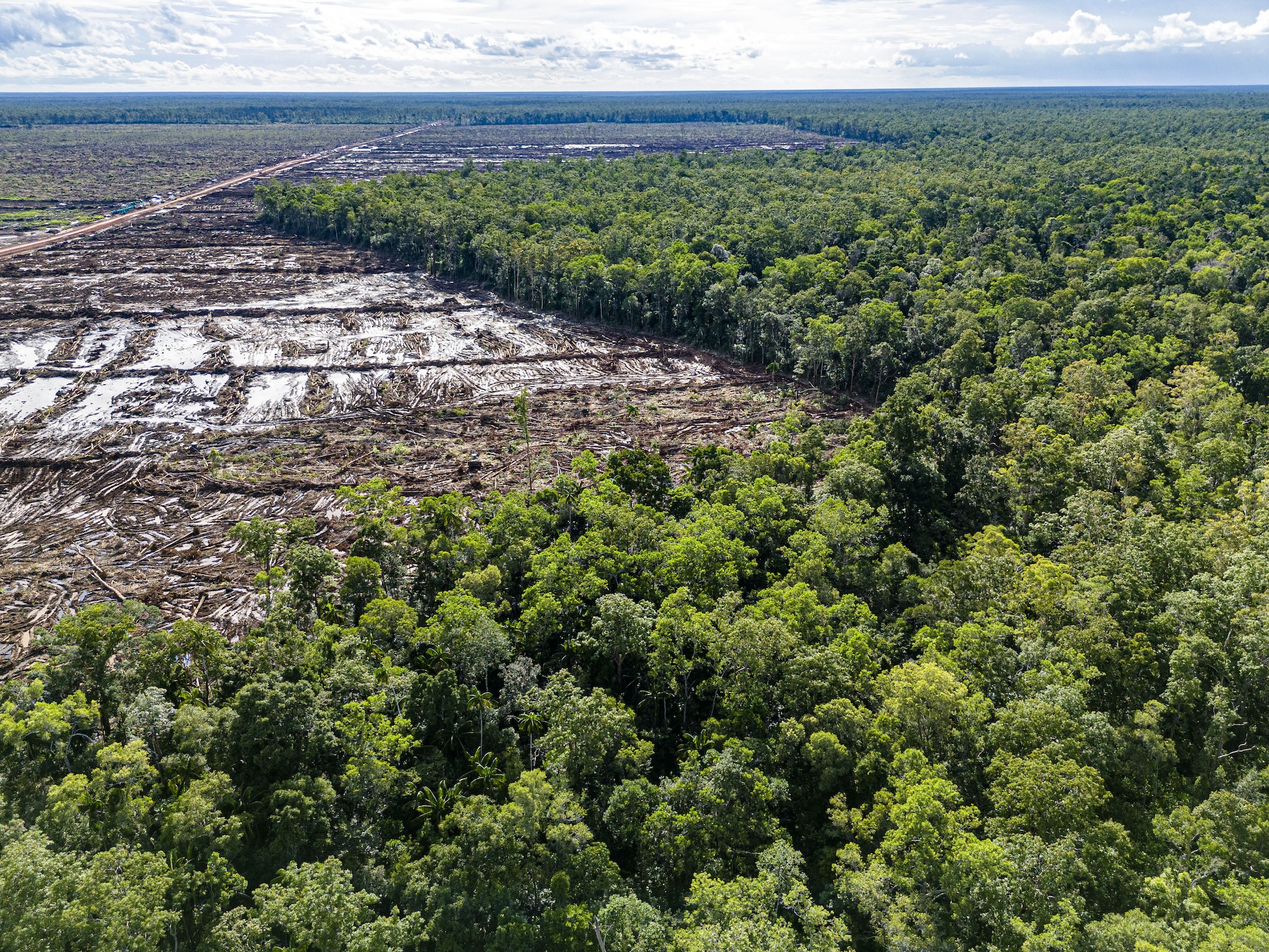
In 2024, the Indonesian government announced that it would clear 7 million acres of forest, starting in Papua, to create enormous rice and sugarcane ethanol plantations. Ships started offloading hundreds of bulldozers at rainforest ports, and the government deployed thousands of soldiers. The project was widely as seen as high priority for President Prabowo for political reasons, and therefore unstoppable.
But, Papuan communities quickly started organizing, launching protests and legal actions. We realized this would be — by far — the world’s largest deforestation project and sounded the alarm. Friends of Indonesia quickly realized the significance, and responded by mobilizing in capitals around the world to try to shift the momentum.
Key elements that contributed to the success:
- Organizing and mobilization by frontline Papuan communities and Indonesian civil society, including organizations like Pusaka, Satya Bumi, Greenpeace Indonesia, Papuan Legal Defense Society, and MANY others.
- Open-minded officials in Indonesia who exercised compassion and courage in raising this issue.
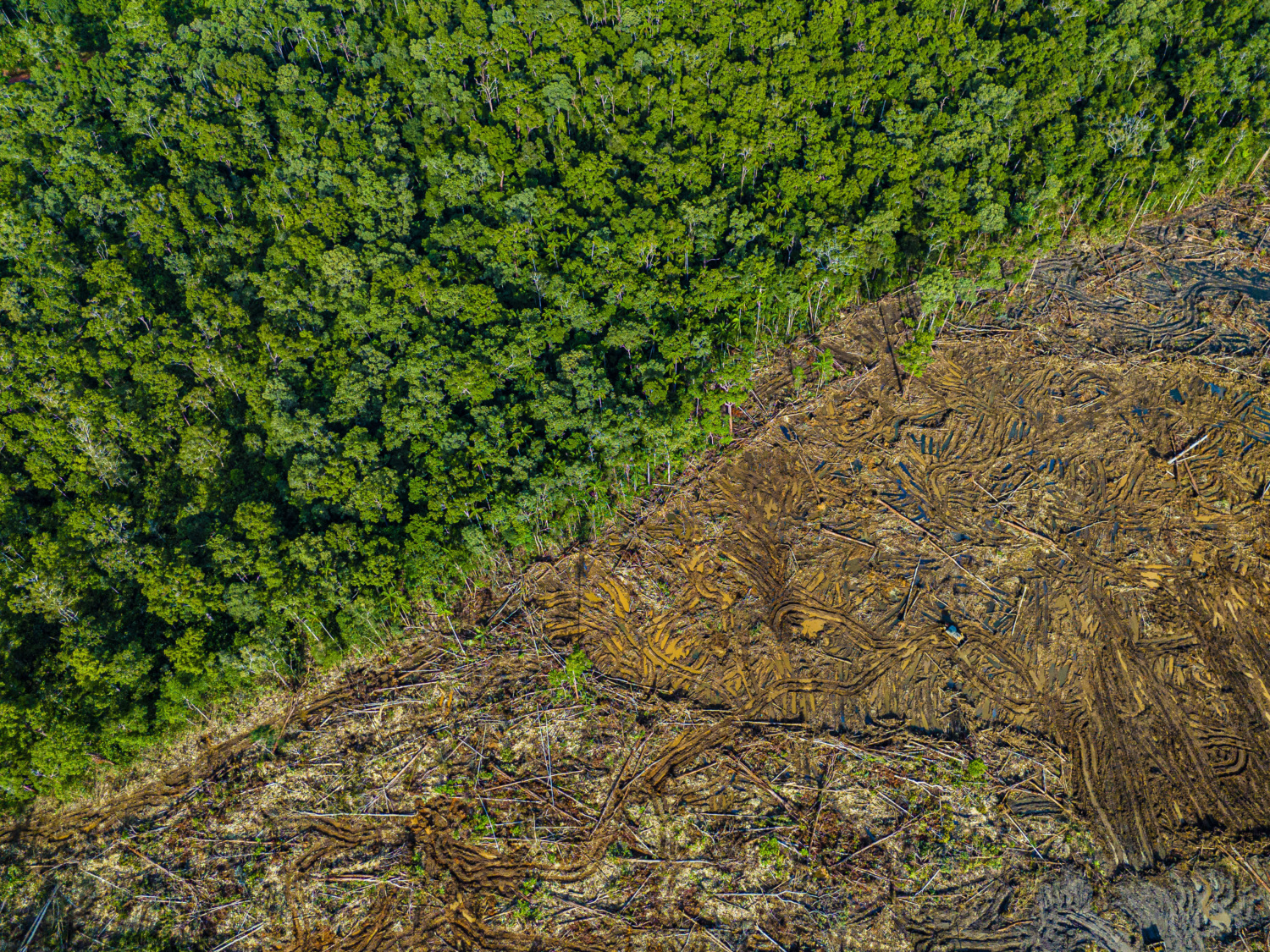
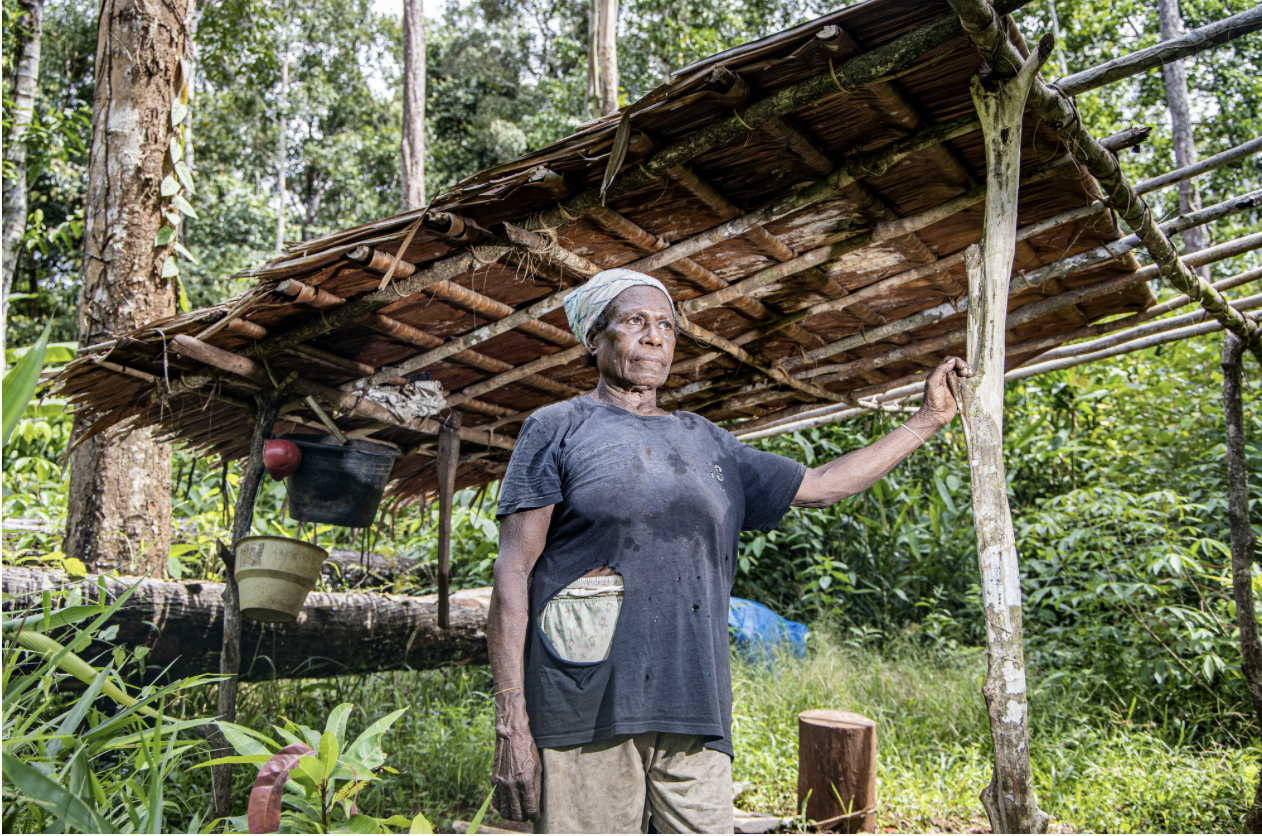
- Media coverage in Indonesia and around the world, including stunning photos and videos (commissioned by Mighty Earth and others) that captured the extent of the damage and threat to communities, notably the Pesta Babi movie. Thanks to the journalists who brought this story to life, notably photographer Yusuf Wahil, Sara Hussein, A. Anantha Lakshmi, Victoria Milko, David Fogarty, Gecko Project, Wahyudi Soeriaatmadja, Fred Pearce, Hans Jong and others.
- Ongoing ground and satellite monitoring, documentation and communication of deforestation and Indigenous rights violations through strong local-to-international collaboration, linking communities and organizations in Papua with civil society across Indonesia and international partners. Thanks to partners like Nusantara Atlas and The TreeMap.
- Many private meetings between international nature advocates and Indonesian government ministers and the most senior policymakers. I haven’t named them all here because much of their work is behind the scenes, but they know the good work they’ve done.
- Investors representing $12 trillion in assets writing letters and meeting with senior officials, including two delegations to Indonesia. Huge thanks to Green Century Capital Management for their leadership in this effort.
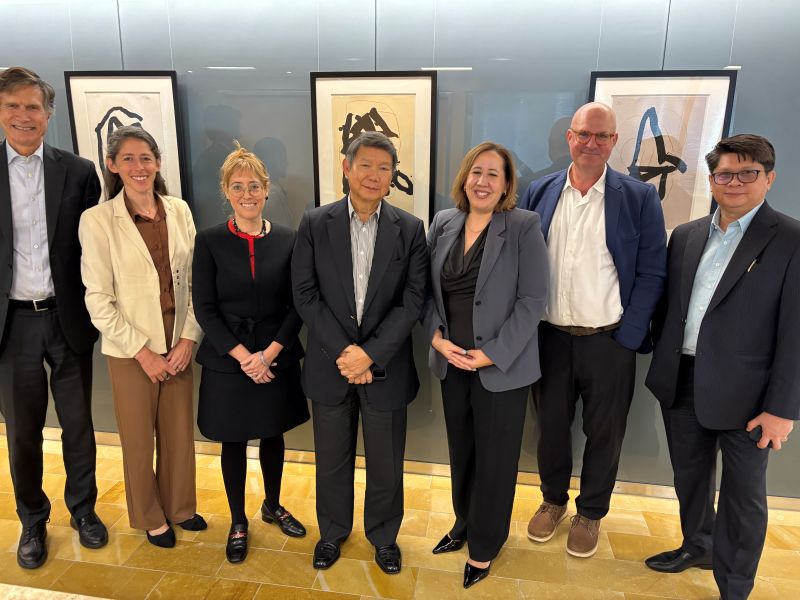
- 12 former heads of governments from around the world writing to President Prabowo about this effort, followed by a delegation of Costa Rican President José-Maria Figueres, former US Senator Russ Feingold, and European Commission VP Frans Timmermans. Gratitude to our friends at Campaign for Nature for making this happen.
- Major natural resource companies withdrawing financing from the project and/or ceasing to do business with companies involved.
- Support from international conservation allies like Rainforest Foundation Norway and Re:wild.
- Granular technical analysis by World Resources Institute and experts in Indonesia of how the government could achieve its food and energy goals through expansion on degraded lands.
- Donors stepping up. Great thanks to the funders who made this possible.
- Diplomatic intervention from several governments, with special thanks to the Norwegian and British Governments (including King Charles).
This was a total group effort, and there are many people and organizations who made vital contributions whom I have not named because their work was behind the scenes.
Although around 50,000 hectares have been tragically cleared for this project, that is 3.95 million fewer hectares than had been slated for destruction. Official projections found that the project would cause more than 700 million tons of climate pollution, though our own calculations suggested the real number would have been in excess of a gigaton. Mighty Earth and allies will be closely monitoring implementation, and supporting local communities to heal the damage that’s already been done.
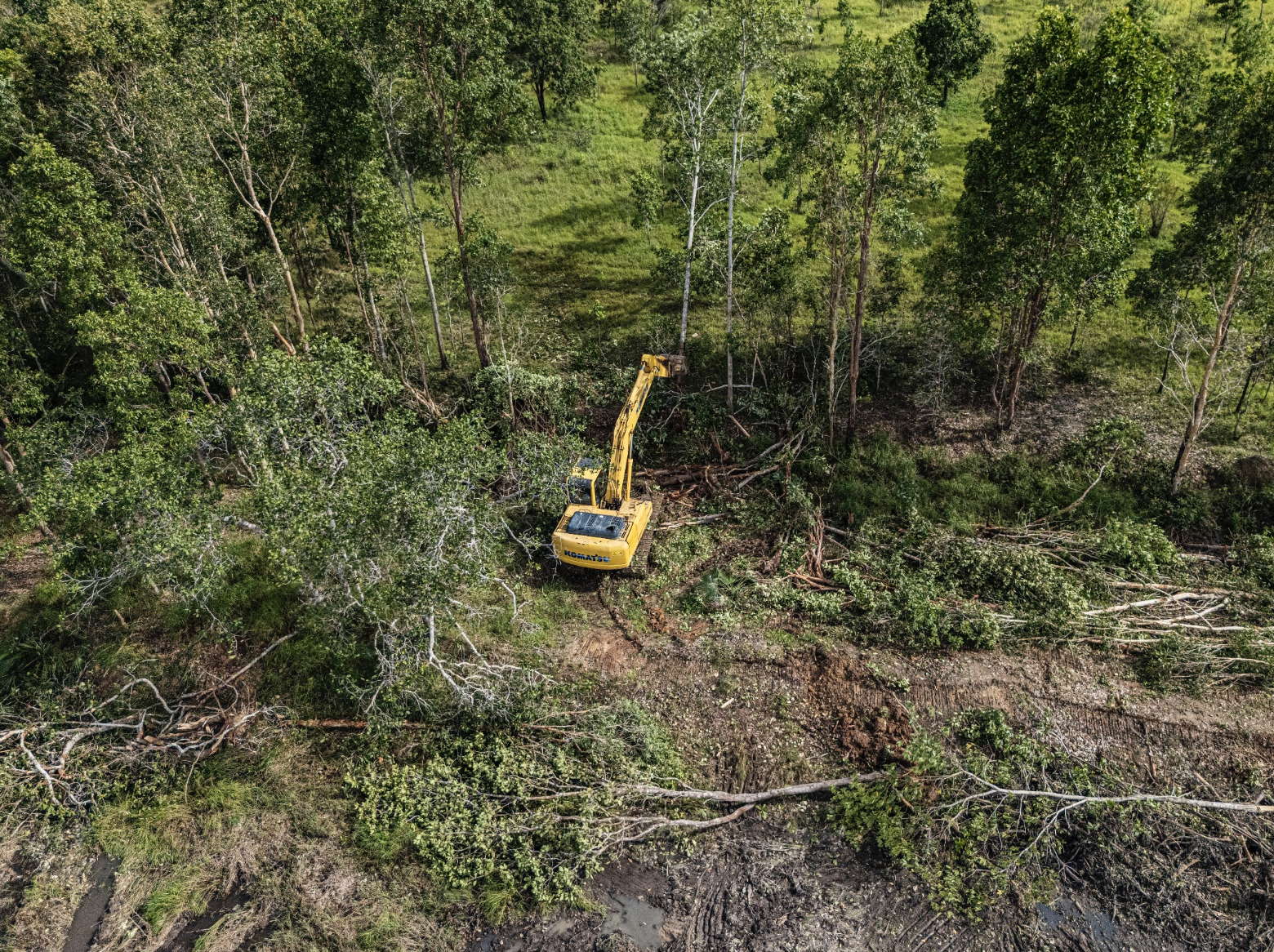
Finally, a reflection: when the first bulldozers were sent to Papua, we mostly heard (extreme) skepticism from even dedicated insiders that anything could be done. We didn’t have money to work on it, and there were few people in the world even aware of this enormous project. There weren’t even that many people aware of Papua. Pretty soon, we found ourselves making the toast of the Soviet dissident: “To the success of our hopeless cause.”
But with a little persistence and a lot of moxie, we began staking out decision-makers in the corridors of power. First a few and then many people, including some of the world’s most influential, decided that even if they didn’t feel confident that we would succeed, the stakes for nature were high enough that we at least couldn’t go down without a fight. At worst, we’d show others in Indonesia and around the world that destroying forests came with visibility and cost.
The world will soon need that spirit of fighting in the face of dispiriting odds. The planet faces mounting and new existential threats. As if humans didn’t cause enough trouble for life on Earth, now we have robots to worry about too.
Of course, today, we’re mostly just happy for the tree kangaroos and the people of Papua who have successfully defended their homes. But this success also shows that defenders of life can prevail — even in the face of daunting odds.
Sincerely,
Glenn, Amanda, Katie, Thea, Carole, Phil, Boris, Gemma, Casey, Sydney, Jonathan, Alex, Molly and the whole Mighty Earth team
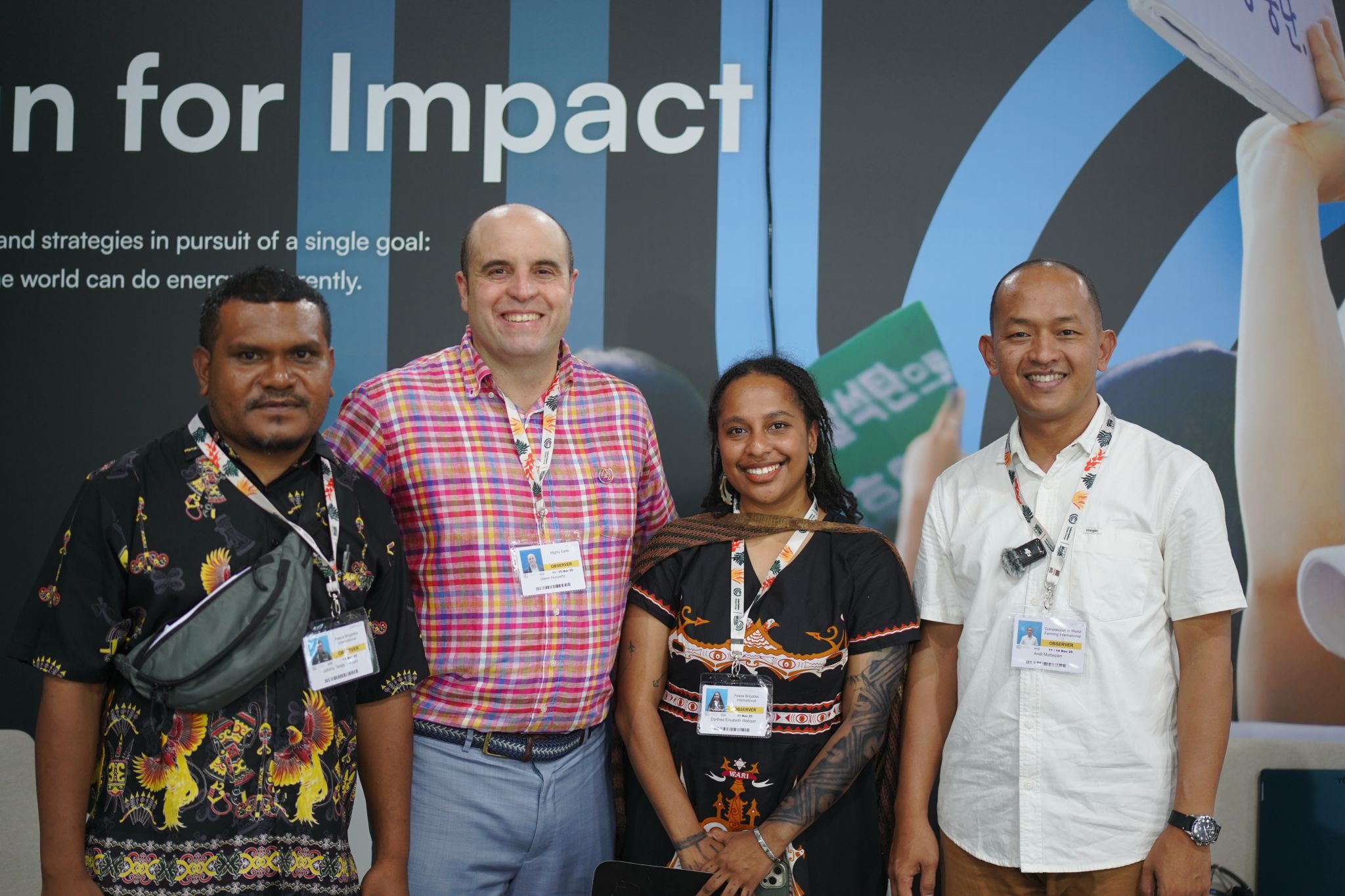
Video of Speech
Full event video here (Hashim speech at 01:03, and Mari Pangestu speech at 3:19).
Excerpt from President Prabowo’s Special Envoy Hashim Djojohadikusumo speech:
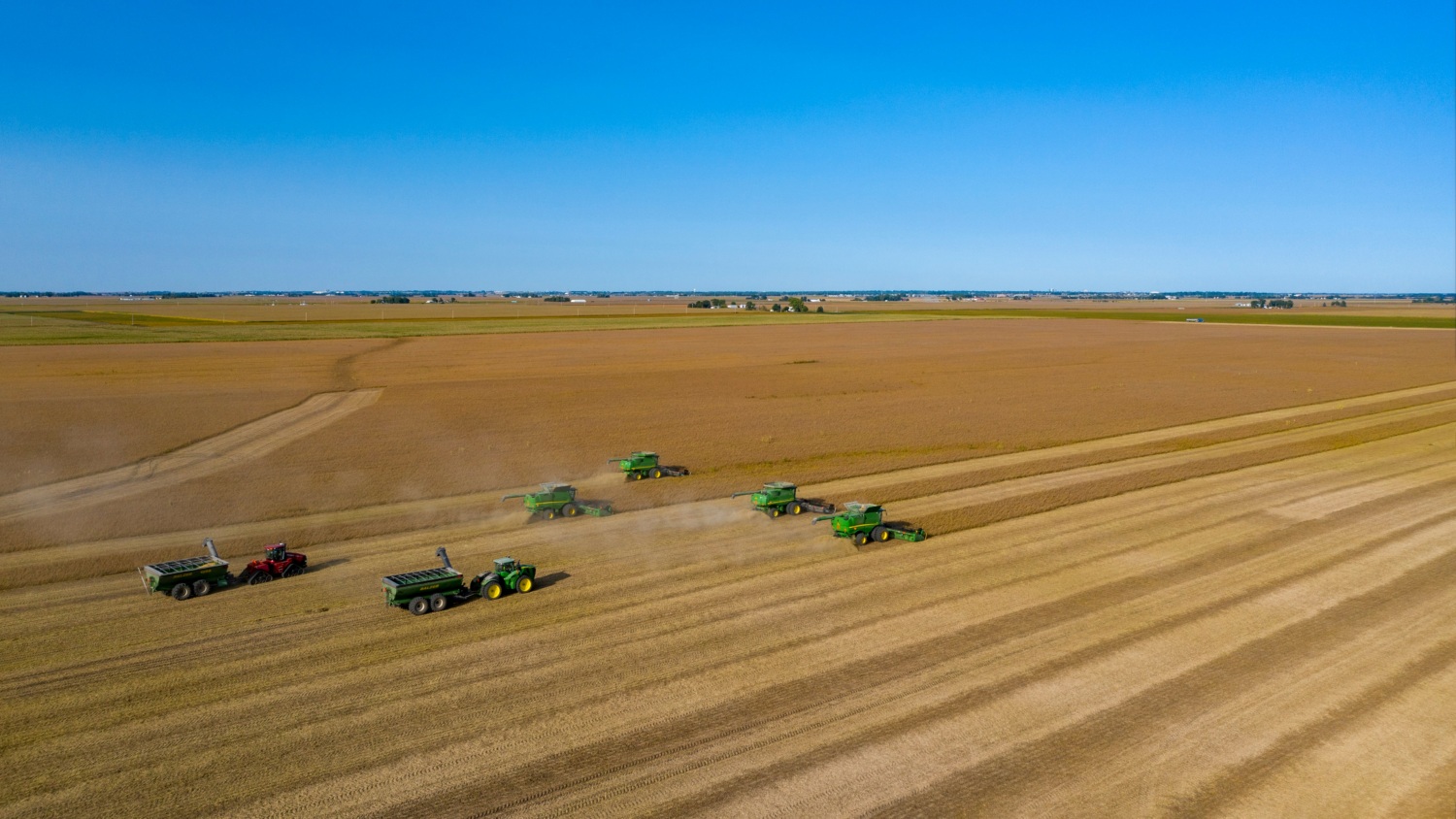
“I’d like to make a major announcement. Now, because of our success in reaching rice self-sufficiency, the Government of Indonesia would like to announce especially by the Minister of Agriculture through me the Special Envoy, that the Ministry of Agriculture and the Government feels at the moment that it does not need to expand the further cultivation of rice in so-called forest areas.
The so-called 2-million-hectare food estate program is a program that we have already achieved without even planting 2 million hectares. We will embark and continue on intensification measures, using new breeds, new seeds, superior breeds of rice and soybeans to achieve that. So, I’d like to again reiterate the fact that the government sees no further need for expanding rice cultivation areas in the so-called forest areas and forest zones that were announced a few years ago…”
Excerpt from President’s Special Envoy Mari Pangestu remarks:
“I just want to repeat a very important message from Pak Hashim this morning…He basically said that because we have been committed Because we have been quite successful meaning that the 2 million hectares that were announced for food production are no longer needed. And he told me he forgot to say it and he asked me to add this message, is that, to, to have increased food and and biofuel production, moving forward, we will be using degraded land…
The missing part of that message is…We have over 12 million hectares of degraded land that can be used, for this, and the minute, and he asked me to say on his behalf that He did discuss this already with the Minister of Agriculture and the Minister of Forestry, and they agreed that any future production of food or biofuel production will be using degraded land, and it is part of the forestry ministry program of afforestation, reforestation, and revegetation.”
—
© 2026. The text of this article is openly licensed under Creative Commons (CC BY-ND 4.0); you are free to copy and redistribute or republish the article in its entirety with attribution and credit.