CEO Note: Forest Fires as Terrorism
By Glenn Hurowitz, Founder & CEO
This is Sampurna, a Borneo orangutan who was so incapacitated from haze from burning forests that rescuers had to give it oxygen. Tragically, he subsequently died like many of his fellow creatures. Rescuers were able to save some others.
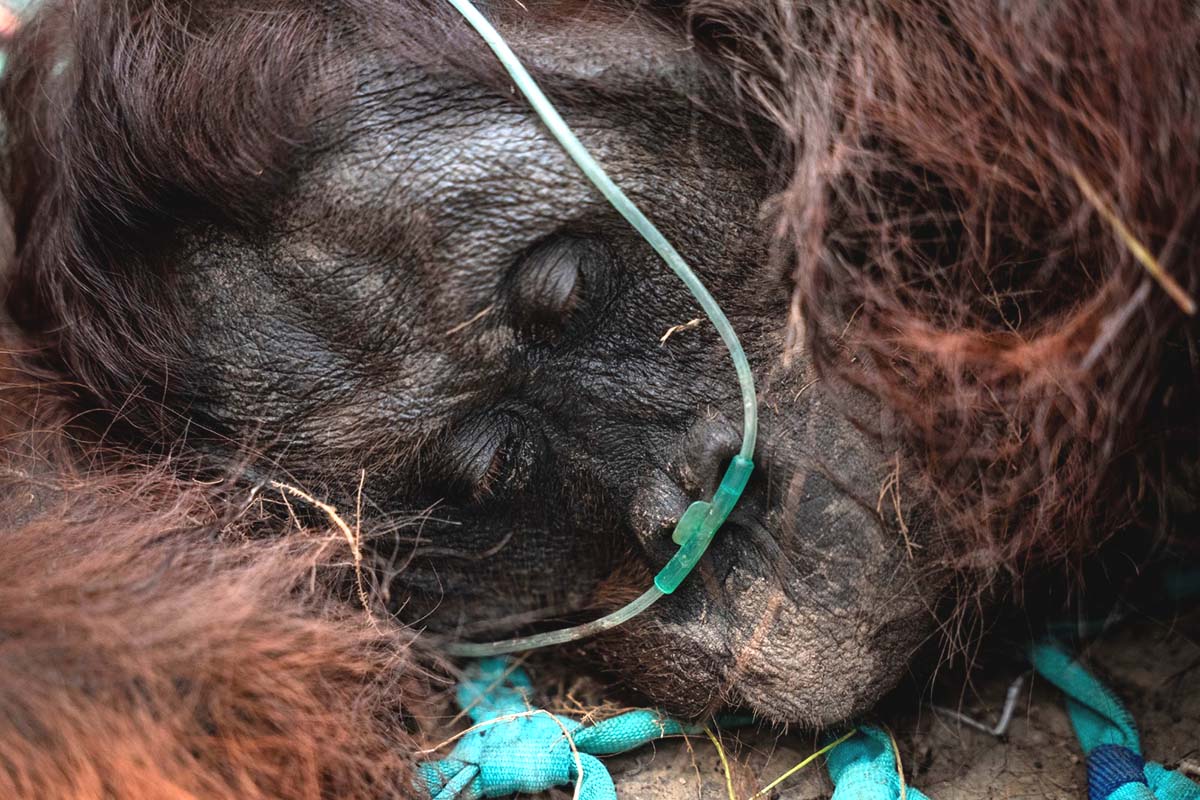
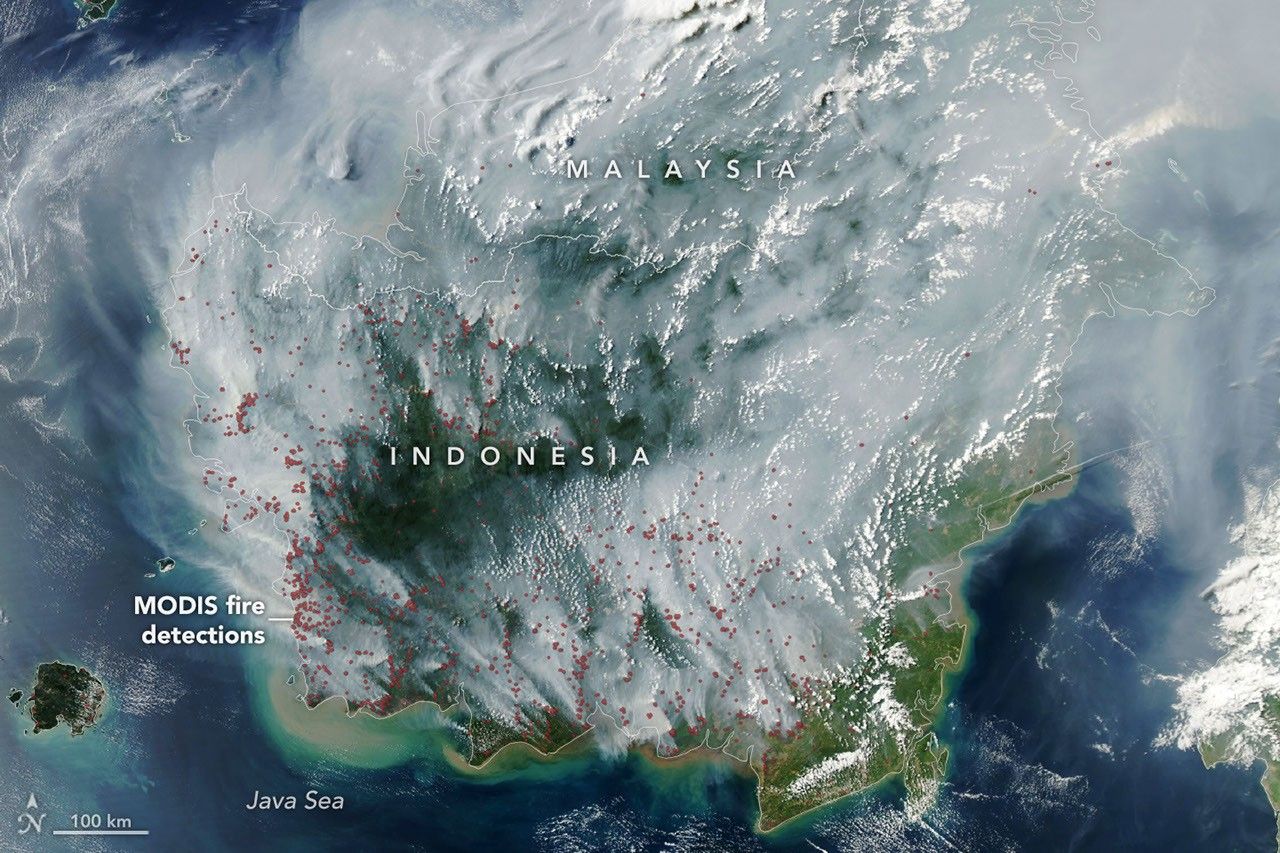
Alas, this orangutan is probably only one of the first victims. Usually, when the Pacific Ocean gets .5 degrees centigrade above normal, that signals an El Niño. This year, the Pacific is 2.0 degrees hotter. That’s hot.
The heat, of course, ramps up the risk of fires, but on its own doesn’t make them inevitable. That’s where humans – and especially that very modern human creation, the agribusiness – come in.
Indonesia has some of the world’s deepest and most extensive peatland rainforests. These ultra-carbon rich landscapes are, in their natural state, Mother Nature’s own defense against fire. They’re boggy, intensely water-logged landscapes; when you walk on them, you just hear the squelch-squirch of hiking in a swamp as your boot sinks way down.
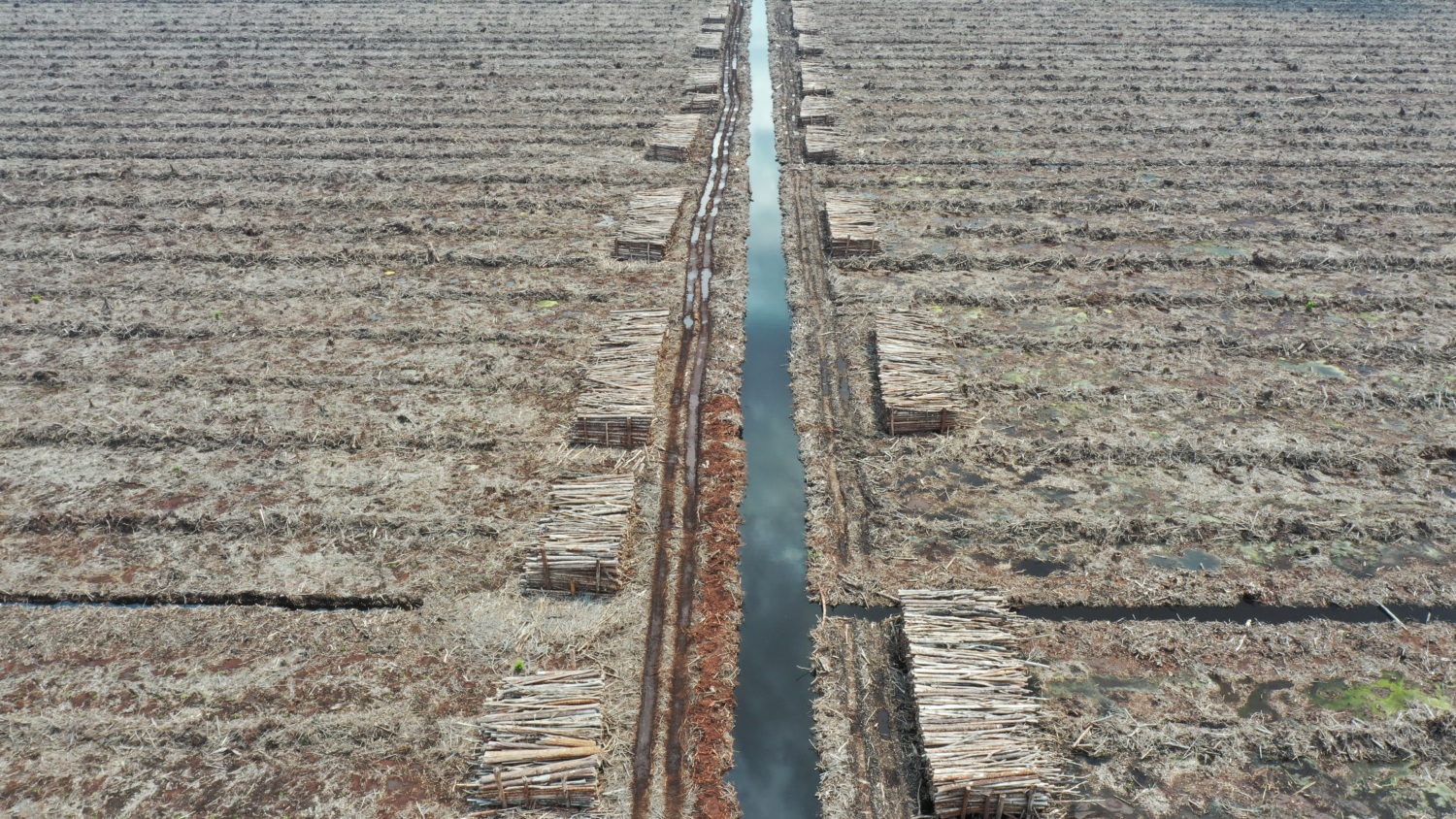
But paper, palm oil, and rubber companies have drained these lands – and destroyed the forest atop them – to grab more area for monoculture plantations. Amazingly, more than half of Indonesia’s peatlands are already degraded. When they’re drained with canals, and especially after they’re abandoned once the peat soil is exhausted, the water pours off the peat dome. What’s left is a vast, desiccated pyre of dried out peatland comprised of biomass accumulated through thousands of years of rainforest leaves, branches and trunks falling and turning into peat. And when the temperature ramps up, these peatlands burn, and burn, and burn.
The consequences are deadly for wildlife, of course. But they’re also lethal for humans. When peat burns, it sends a toxic haze into the atmosphere. A new paper by air quality researcher Katherine Hasan and colleagues at CREA research center finds that in August alone, the fires killed 1700 Indonesians – deaths that can be traced to the unconscionable and frequently criminal draining of some of the most flammable ecosystems on Earth.
President Subianto Prabowo proposed classifying the fires as acts of “ecological terrorism” that should be subject to the same sanctions as other forms of terrorism. It’s a rare recognition that crimes against nature often cause more death and pain to both humans and our fellow creatures than traditional crime.

I’ve long been perplexed why governments treat destroyers of nature with kid gloves even when their acts often kill far more people than common murderers. It seems to me that incinerating a large forest and sending haze into the air that kills large numbers of people and pushes species to extinction should be in the most severe category of crime.
Prabowo got specific: he called on his cabinet to show zero tolerance to companies or others found responsible for the fires that are poisoning his country’s air and destroying its natural resources. The government said that it has launched 219 criminal investigations into responsibility for the fires, and an additional 95 investigations into the acts of companies.
Even more important than punishment is prevention. Mighty Earth is now and has for years been working with Indonesian allies to persuade companies and government to dam peat canals, restore peatlands and the forests atop them.
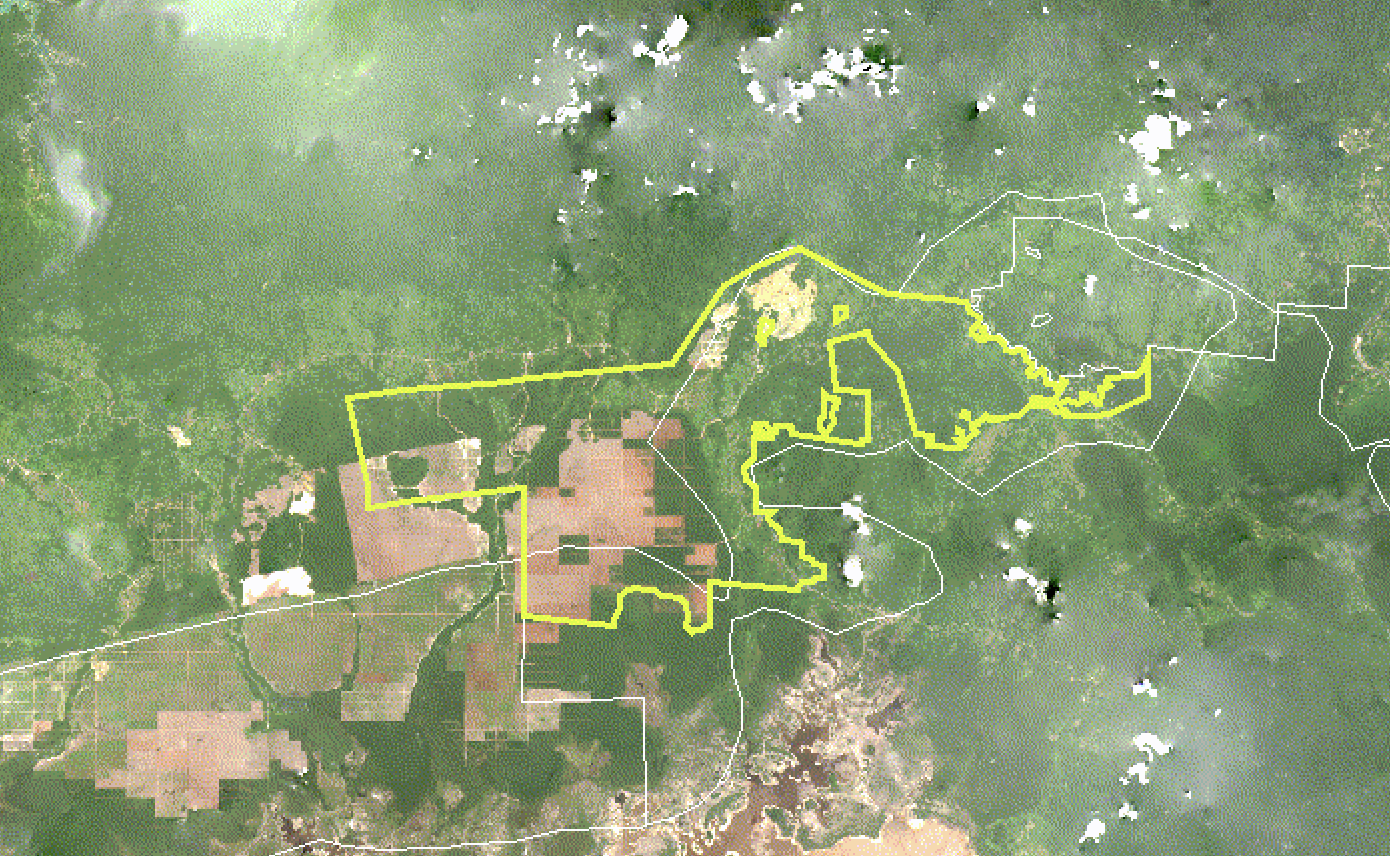
Some of these appeals have been heeded. Others have not. It’s been especially painful for us to watch deadly fires break out on the Mayawana Persada plantation, where we’ve been urgently calling on the owners to dam the canals and restore the forest it destroyed to supply plywood to the American RV industry and paper to outlaw actors like the notorious Royal Golden Eagle company. We are working to ensure customers and governments around the world take action.
We also are continuing to call on the government to rechannel the “world’s largest deforestation project” – the Food and Energy Estates onto degraded land. The deforestation that has already occurred – some of it on peat – has made these lands one of the national hotspots in the fire.
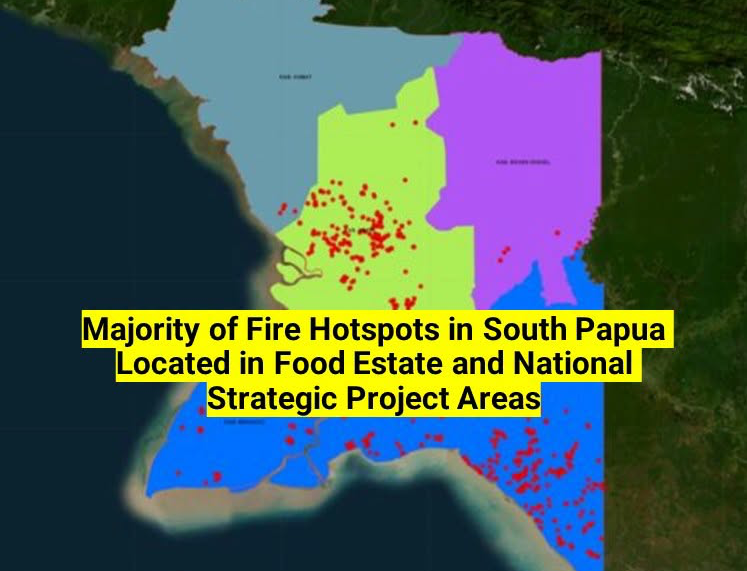
A stunning Singapore Straits Times investigation that we’ve been working on for months finds that the project has boosted deforestation, even as the country is battling horrific wildfires.
We are hopeful that President Prabowo will look at the consequences of this project and halt it. His government has announced that they are already deploying tens of thousands of firefighters and soldiers to tackle the crisis; the country hardly needs a new source of state-driven fires to deal with. At the same time, there is no better evidence of the need to deploy Prabowo’s vision of 12 million hectares of peat and forest restoration.
You can support the volunteers rescuing wildlife from the fires here.
—
© 2026. The text of this article is openly licensed under Creative Commons (CC BY-ND 4.0); you are free to copy and redistribute or republish the article in its entirety with attribution and credit.