U.S. auto industry’s links to pollution and disease in steel communities
Mighty Earth - Driven by Dirty Steel
Download the report here. Available in Japanese here.
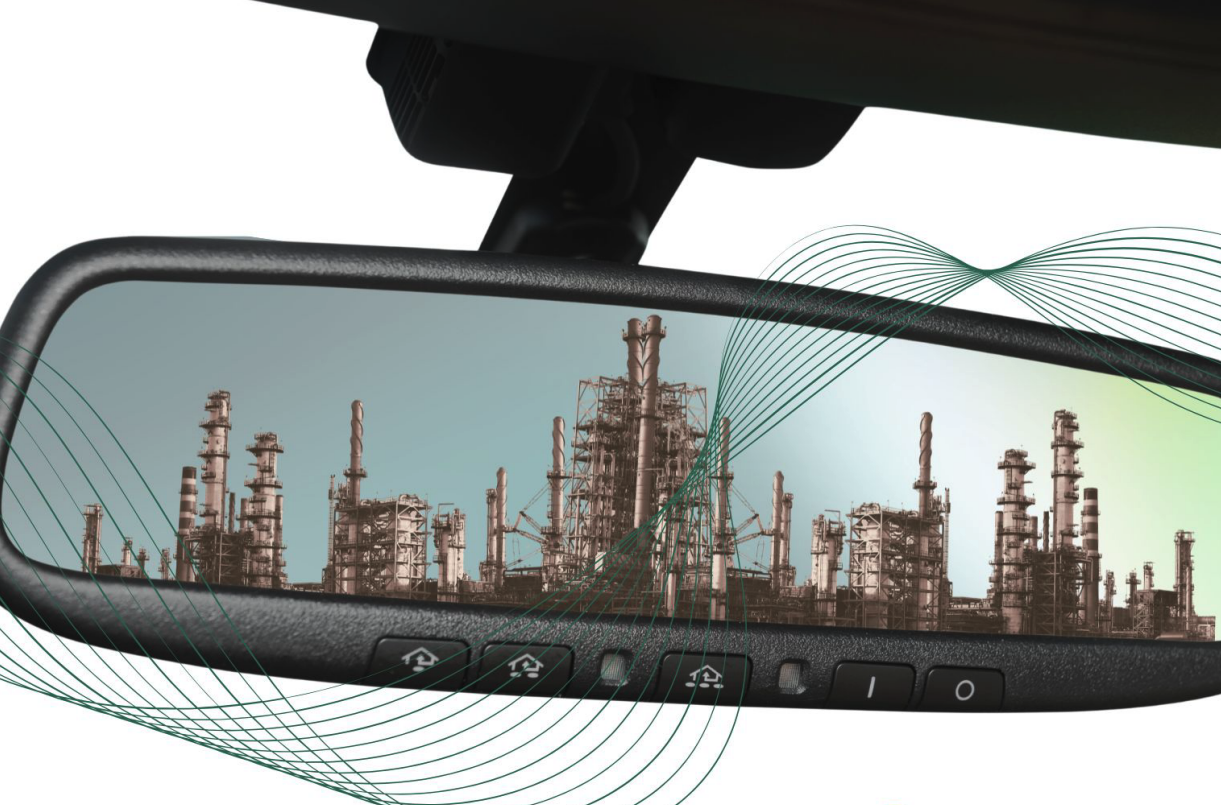
[Washington D.C.] A new Mighty Earth report links the U.S. auto industry to pollution and disease in steelmaking communities. The analysis connects automakers Ford, General Motors, Toyota, Hyundai, Honda, and Stellantis to highly polluting coal-based steel from U.S. Steel Corporation and Cleveland-Cliffs. These relationships undermine the automakers’ climate targets and prolong the life of coal-fired blast furnaces that pollute air and water in frontline communities. These dirty supply chains are locking in pollution and public health harms even as cleaner steel alternatives are already being adopted globally.
Matthew Groch, Senior Director of Decarbonization at Mighty Earth, said:
“Steel from coal-based blast furnaces is poisoning the people who live in the shadow of these plants. While steelworkers and nearby communities suffer disease and early death, automakers continue to roll out hollow climate promises that don’t match their supply chains.”
“We’ve just lived through the third-hottest year on record, and fossil fuels are still pushing us toward breaking that record again. In the U.S., hard-won progress on cutting emissions is unravelling, driven in large part by the continued reliance on burning coal. At a moment when clean energy adoption is accelerating across the world, there is no justification for automakers to double down on dirty steel.”
“No one wants their car tied to pollution and disease. Automakers have the power and responsibility to demand cleaner steel that doesn’t rely on coal-fired blast furnaces and push producers to invest in modern, cleaner production instead of clinging to a failing, outdated model.”
Supply chain analysis reveals direct links to polluting steel facilities
Using trade and export data, the report traces steel shipments from some of the most polluting blast-furnace facilities operated by U.S. Steel and Cleveland-Cliffs directly to major automakers, including Honda and Hyundai.
Honda, which has committed to 100 percent carbon-free energy by 2050, received 8,332 steel shipments from U.S. Steel to its facilities in Mexico from 2021 to 2025, valued at nearly $500 million. During the same period, Honda also received 339 shipments from Cleveland-Cliffs, which were valued at more than $25 million.
Hyundai, also linked to U.S. Steel through the analysis, received approximately 5,569 shipments between 2021 and 2025, valued at more than $147 million. This reliance on dirty steel persists despite Hyundai’s pledge to reach carbon neutrality by 2040 and its announcement of a $6 billion investment in a low-carbon steel facility in Louisiana — a project that shows producing cleaner steel in the U.S. is both possible and commercially viable.
Health impacts concentrated in steelmaking regions
Pollution from today’s steel production is concentrated around facilities operated by Cleveland-Cliffs and U.S. Steel—the largest and third-largest steelmakers in the U.S. and the only companies still operating coal-based blast furnaces in the country.
In steelmaking regions across Indiana, Michigan, Ohio, and Pennsylvania, communities living near these facilities face elevated rates of asthma, heart disease, and premature death. Coal-based pollution is estimated to cause between $6.9 to $13.2 billion in annual health damages with roughly $137 million in annual economic losses in the U.S.
The transition to green steel
Despite initial interest in low-carbon steelmaking, both U.S. Steel and Cleveland-Cliffs have recently reversed or abandoned green-steel investments. Cleveland-Cliffs withdrew from a planned hydrogen-based facility at Middletown Works, which would have been the first commercial-scale green steel plant in the United States.
The transition to cleaner steel is viable and underway globally, increasing U.S. automakers’ regulatory and competitive risks. Automakers are central to this challenge. As the world’s third-largest steel consumer — using 60% of primary steel in the U.S. — the automotive sector is well positioned to shape the steel industry’s decarbonization timeline. And as research shows, impacts at the consumer level would be minimal, as switching to green steel would add about $199 per vehicle, an increase of about 0.66% for a $30,000 vehicle.
Without quickly moving beyond coal-based steel, U.S. producers will become liabilities as markets turn to green steel. The top six automakers analyzed account for well over half of the U.S. auto market—if they demand change, the steel industry must follow.
Mighty Earth calls on automakers to:
- Commit to Phasing Out Coal: Publicly commit to ending new coal investments and phasing out coal in supply chains, ensuring future investments focus on fossil-free steel and aluminum.
- Accelerate Transition to Electric Vehicles: Expedite the phase-out of fossil-fuel vehicles, set binding deadlines for internal combustion engine phase-outs and target 10% EVs, aligned with global climate goals, particularly the 1.5°C Paris Agreement target.
- Decarbonize Steel Supply Chains: Set science-based targets to decarbonize supply chains, including annual purchasing goals for low-carbon and zero-carbon materials, backed up with binding purchase agreements. Collaborating with initiatives like SteelZero and the First Movers Coalition will accelerate these goals and catalyze broader industry shifts.
Ends
Notes to editors:
- Cleveland-Cliffs Burns Harbor steel plant has repeatedly violated U.S. environmental laws, including a 2019 Clean Water Act violation for discharging untreated cyanide and ammonia nitrogen into nearby waterways around Lake Michigan for days, killing fish; and a 2024 Clean Air Act violation for excessive particulate and hazardous air pollutants from its basic oxygen furnace shop used to create steel.
- In 2022 alone, Cleveland-Cliffs’ Dearborn Works blast furnace emitted more than 1 million metric tons of CO₂-equivalent emissions and ranked sixth statewide in particulate matter PM2.5 emissions among major polluters. By 2023, Cleveland-Cliffs had committed 19 additional air quality violations and later entered into an agreement with the U.S. Environmental Protection Agency requiring $100 million in pollution-control upgrades.
- Based on 2020 data, U.S. Steel’s Gary Works is Indiana’s top carbon monoxide emitter. Mon Valley Works in Clairton is third in Pennsylvania for nitrogen oxides. Edgar Thomson is a top 10 source of sulfur dioxide and carbon monoxide in that state.
===