New Analysis: Potential Forest Loss Linked to Mondelez Supply Chains
A new Compliance Checker assessment by AidEnvironment reveals major gaps between Mondelēz International’s sustainability commitments, transparency, and verified implementation on the ground. Despite building a reputation as a frontrunner on deforestation-free cocoa and an early supporter of the EU Deforestation Regulation (EUDR), Mondelēz has since reversed course and joined calls for delaying the regulation—at precisely the moment when enforcement and accountability are most critical. As the report documents, this reversal “risks weakening or stripping [the EUDR’s] key provisions,” and stands in stark contrast to the expectations of civil society and local producer organisations: for example, 35 Ivorian NGOs publicly denounced the company’s stance in September 2025.
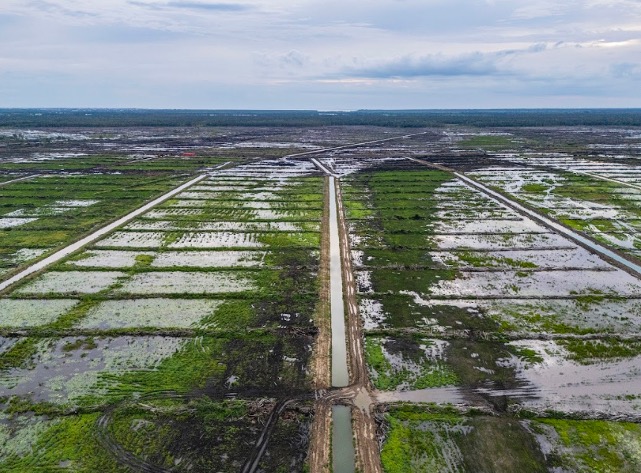
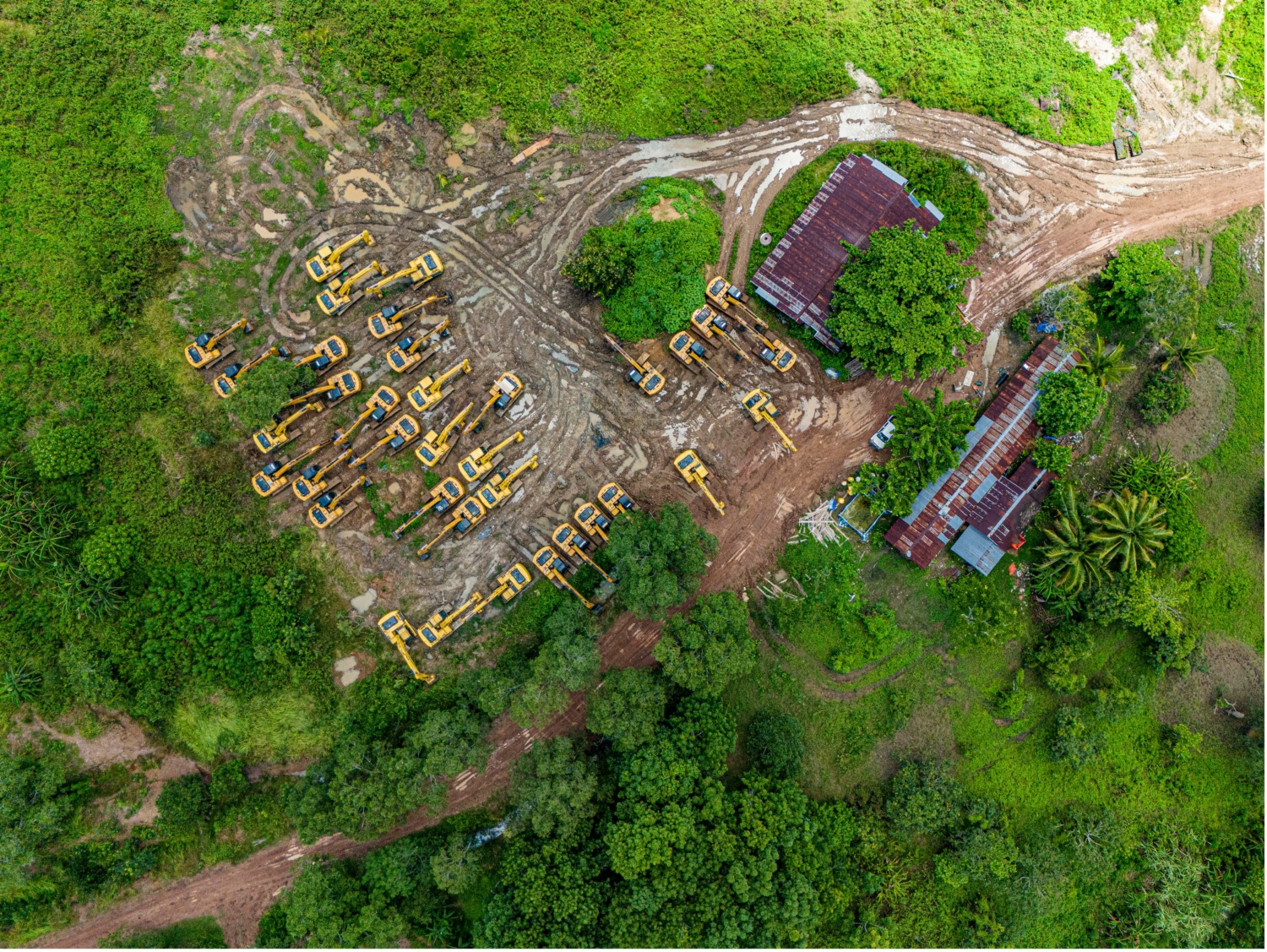
The report identified six case studies in cocoa and palm oil supply chains across Côte d’Ivoire, Cameroon, Brazil, and Indonesia where over 4,100 ha of native forest loss occurred after both the company’s and the EUDR’s deforestation cut-off date, in areas potentially linked to Mondelēz through direct or indirect Tier-1 and Tier-2 supply chain relationships.
While Mondelēz historically widely publicized investments through its Cocoa Life program and Palm Oil Action Plan and mapping suppliers, over time transparency and traceability has significantly deteriorated. The company has not disclosed its cocoa supplier list since 2021, has kept reliance on mass-balance sourcing that is by design untraceable, has limited visibility on grievance handling and supplier sanctions, and has refused to participate in global accountability tools such as the Chocolate Scorecard, receiving the lowest scores on the 2025 Barometer.
Importantly, Mondelēz did not respond to repeated requests for clarification on the presented findings, whereas other companies approached through AidEnvironment’s Compliance Checker processes did engage. This absence of engagement limits the opportunity for dialogue on how companies and regulators can collaboratively improve systemic traceability mechanisms.
“Mondelēz helped build the narrative that traceability and compliance are achievable, and then stepped back when accountability approached. If the company is serious about its commitments, it should use its market position to accelerate EUDR readiness—not slow it down,” said Sarah Drost, senior researcher at AidEnvironment.
In the last 60 years, Côte d’Ivoire and Ghana have lost 94% and 80% of their forest cover respectively, with an estimated one third of forest-loss attributable to cocoa farming. Last year, surges in forest loss were seen in ‘new cocoa frontiers’ such as Cameroon, which exports 80% of its cocoa to the EU. The EUDR provides an opportunity to prevent further destruction of the last remaining forests in West and Central Africa by ensuring cocoa companies have visibility of their supply chain down to the farm level, and allows them to provide crucial financial support to cocoa farmers.
Thea Parson, Forests & Climate Manager at Mighty Earth, said: “Mondelēz has unfortunately embraced an inadequate and lethargic approach to corporate responsibility, taking advantage of this political moment to avoid doing the real work of environmental stewardship. This shortsighted approach will leave the company woefully unprepared for the future. Chocolate giants like Mondelēz have a responsibility to know where their cocoa comes from, and to ensure that their products are not driving the continued destruction of the world’s forests and wildlife. Consumers around the world demand it.”
The report urges Mondelēz to restore transparency by immediately reinstating public supplier disclosure and by publishing a clear, time-bound roadmap to transition away from mass-balance sourcing toward segregated or identity-preserved traceable supply chains.