Letter Calling for Financial Institutions to Reconsider Biomass Investments
April 1, 2026
Original Press Release in Japanese from HUTAN Group; English Translation below
Japanese energy companies have been linked to tropical forest loss in Sulawesi, Indonesia—a “Biodiversity Hotspot.” Environmental groups have called for engagement and divestment from financial institution shareholders of Hanwa Co. and Tokyo Gas, both of which are connected to wood pellet production or procurement.
HUTAN, an association for forests and livelihoods, acting jointly with several other organizations dedicated to forest conservation, strengthening climate change countermeasures, and promoting sustainable biomass utilization, sent a formal request to the financial institutions holding shares in Hanwa Co., Ltd. (hereinafter “Hanwa”) and Tokyo Gas Co., Ltd. (hereinafter “Tokyo Gas”). The request, addressed to 14 Japanese institutions and 57 institutions in the U.S. and Europe, calls for engagement (dialogue) and divestment (review of investment holdings).
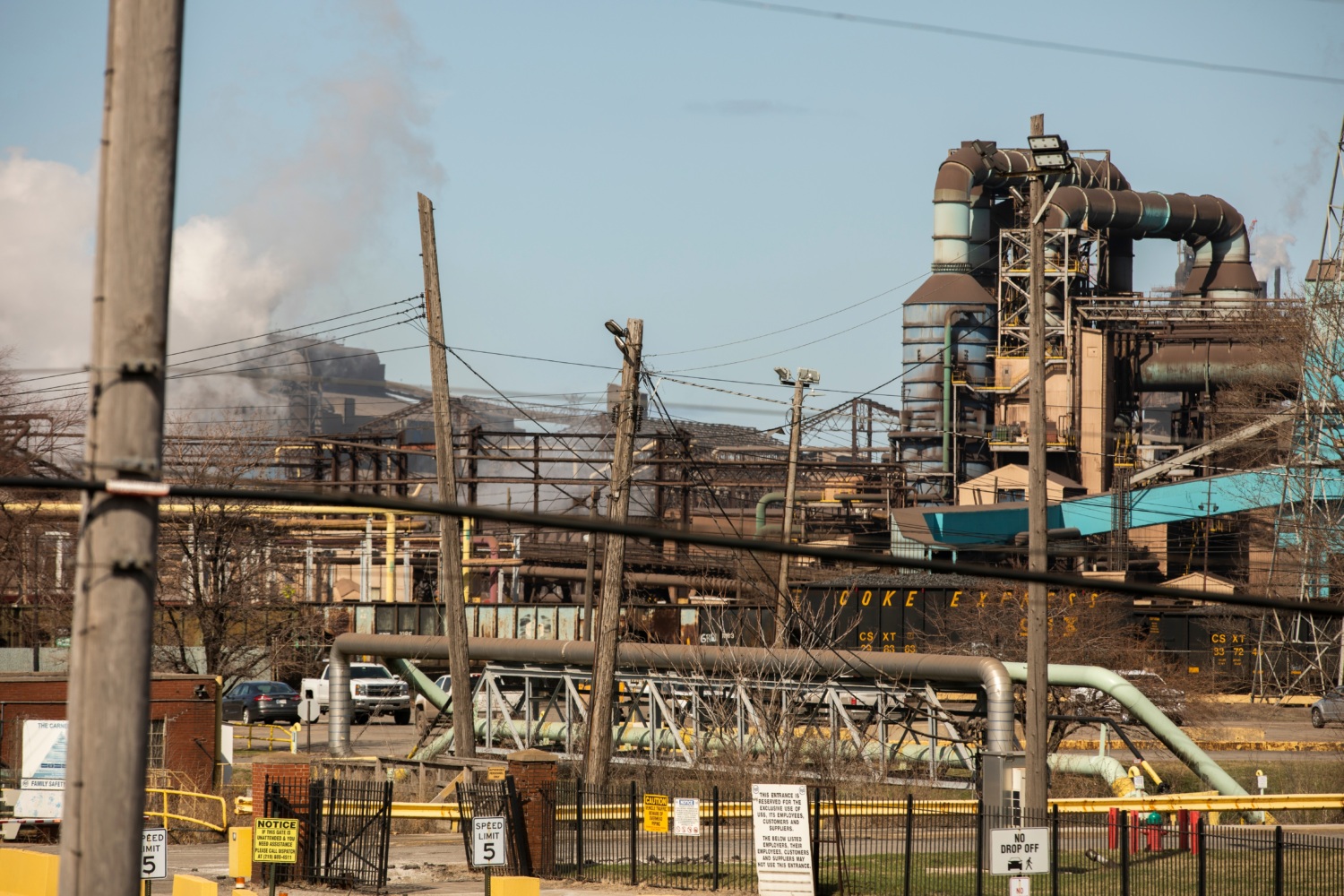
According to media reports and investigations conducted by local NGOs, it has come to light that Hanwa holds a 20% equity stake in a wood pellet production company (PT. BJA), located in Gorontalo Province on the Indonesian island of Sulawesi, and that Tokyo Gas utilizes these pellets as fuel at its Fushiki-Manyo Wharf Biomass Power Plant in Toyama Prefecture.
Background
Indonesia is emerging as a rapidly growing source for “wood pellets.” Between 2023 and 2025, the share of Japan’s total wood pellet imports accounted for by Indonesia rose from 1% to 5%.
According to Indonesian trade data, approximately 60% of wood pellets exported between 2021 and 2025 were destined for Japan. Furthermore, of the pellets imported by Japan from Indonesia in 2025, 71% originated from Gorontalo Province. Due to its prolonged geographical isolation, the wildlife on the island of Sulawesi has undergone a unique evolutionary trajectory; consequently, the island has been designated as one of the world’s “biodiversity hotspots,” possessing biodiversity of exceptional value. The island is home to no fewer than six “hybrid zones”—areas where the speciation of biological organisms occurs frequently even today. It is a site of such extraordinary significance that researchers often refer to it as a “living laboratory of evolution,” placing it on par with the Galapagos Islands. One of these hybrid zones is located within Gorontalo Province, serving as a habitat for numerous rare endemic species and endangered species.
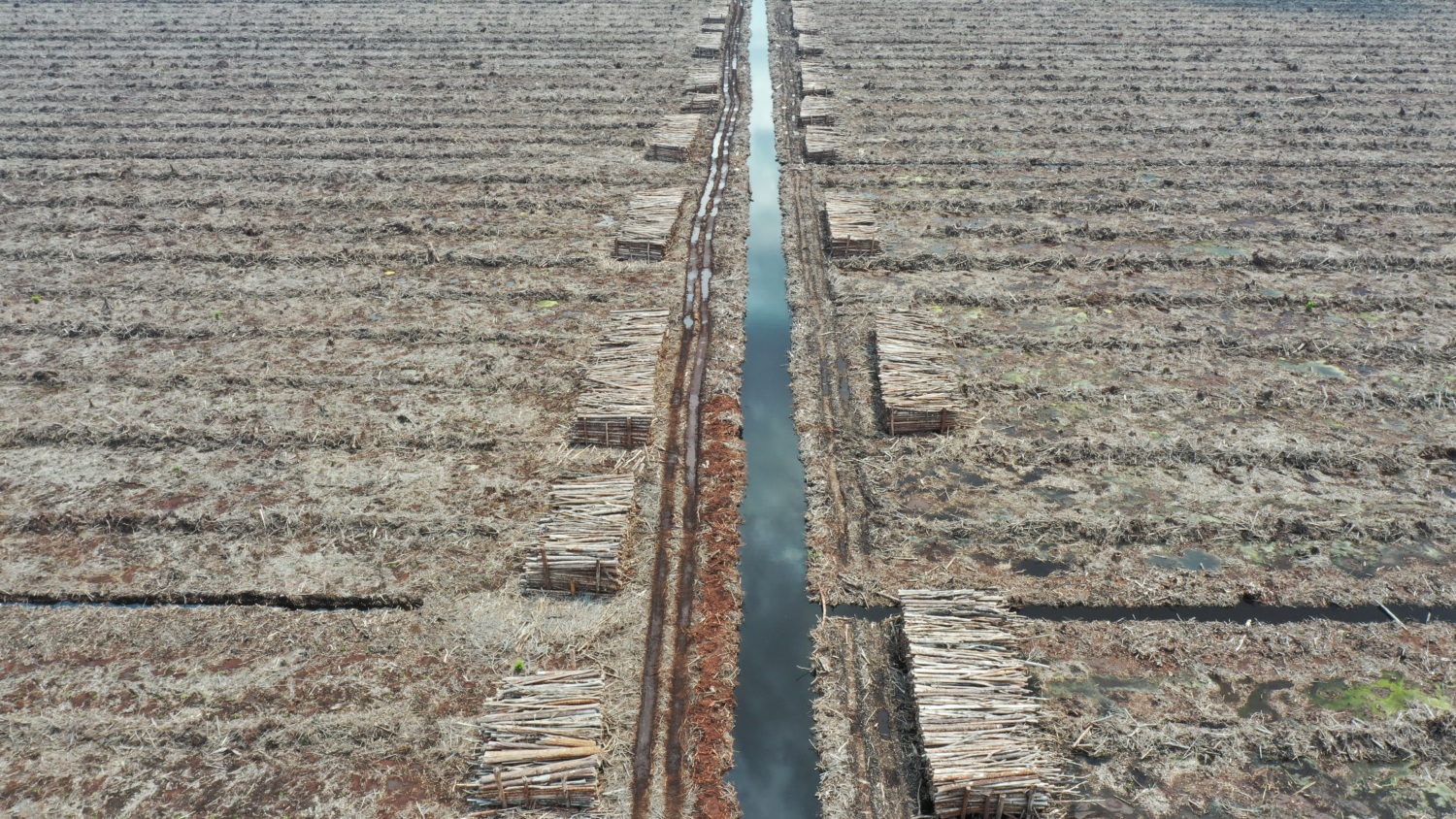
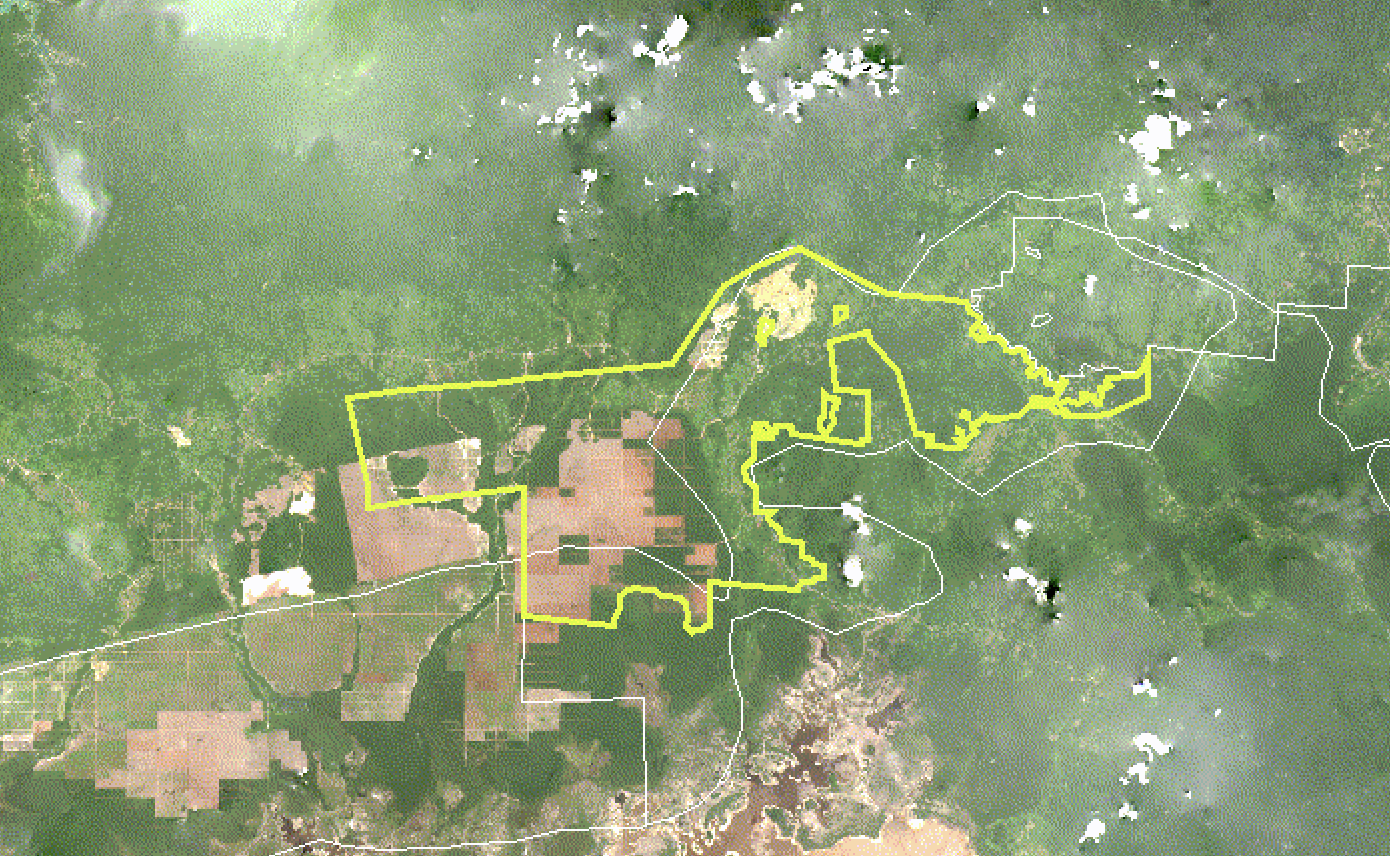
Currently, two wood pellet production plants are already operational in Gorontalo Province, and the total area of logging concessions—lands authorized for timber extraction to supply these facilities—covers approximately 100,000 hectares (an area equivalent to half the size of Tokyo). There is a serious risk that these logging areas overlap with the habitats of at least 17 endangered species and 5 near-threatened species. Focusing solely on the operations of BJA, the clear-cutting of tropical forests is proceeding at a rate of 1,500 hectares per year (averaging 4 hectares per day).
If the clear-cutting of tropical forests and their conversion into plantation lands continue to expand at this pace, there is a grave risk of inflicting irreversible damage upon the unique ecosystems found only in this region, as well as upon the habitats of its endemic and endangered species.
Key Concerns: Irreversible Loss of Precious Ecosystems & A Regression from “Nature-Positive” Initiatives
Sulawesi Island is a globally significant “biodiversity hotspot,” home to a multitude of endemic species (rare species found nowhere else on Earth). Projects involving the clear-cutting of these tropical forests for conversion into industrial plantations clearly run counter to the “Nature-Positive” initiatives that companies are increasingly expected to embrace today. Furthermore, from the perspective of the TNFD (Taskforce on Nature-related Financial Disclosures)—an initiative in which many financial institutions currently participate—these activities constitute a significant “nature-related risk.”
Unsuitability as a Climate Change Measure and the Risk of “Carbon Debt”
While wood-fired biomass power generation is often mistakenly perceived as “carbon neutral,” projects such as the one in question—which involve the felling and combustion of natural forests—actually carry the potential to significantly increase atmospheric CO₂ levels. The carbon that trees have accumulated over decades is released in massive quantities through combustion. Offsetting this release through absorption via reforestation requires a timeframe ranging from several decades to over a century; furthermore, when accounting for the loss of soil carbon resulting from the clear-cutting of natural forests, there is a risk that the effective emissions intensity could exceed that of coal-fired power generation. This timeline is entirely incompatible with the Paris Agreement, as well as with the targets for substantial emissions reductions by 2030 and achieving net-zero emissions by 2050.
Destruction of Local Livelihood Foundations and Human Rights Risks
The logging sites supplying timber to BJA are critical watersheds located upstream of rivers, serving as “water source forests” that are indispensable to residents living downstream. The rapid expansion of logging activities in recent years has already led to reported adverse impacts on water sources and an increase in flood-related damage, thereby threatening the safety and security of local residents’ lives. Moreover, for residents who do not own agricultural land, these forests have traditionally provided a diverse array of resources—including honey, rattan, sugar palm products, medicinal herbs, and wild game—that serve as vital sources of sustenance and income. The clear-cutting of forests for the purpose of wood pellet production, and the subsequent conversion of these lands into plantation sites, effectively strips these communities of their traditional means of livelihood.
Under Japan’s current policy framework (specifically the FIT and FIP schemes), the verification of fuel sustainability relies heavily on “obtaining third-party certification” or on “independent initiatives undertaken by individual companies” (i.e., self-declarations). Consequently, these mechanisms have proven ineffective in preventing actual environmental destruction at the local level or mitigating adverse impacts on local communities. Through this letter of request, and in our capacity as shareholders and investors in both companies, we call for the implementation of rigorous due diligence and active engagement conducted from an independent and objective standpoint.
Over 9,500 Signatures from Concerned Citizens
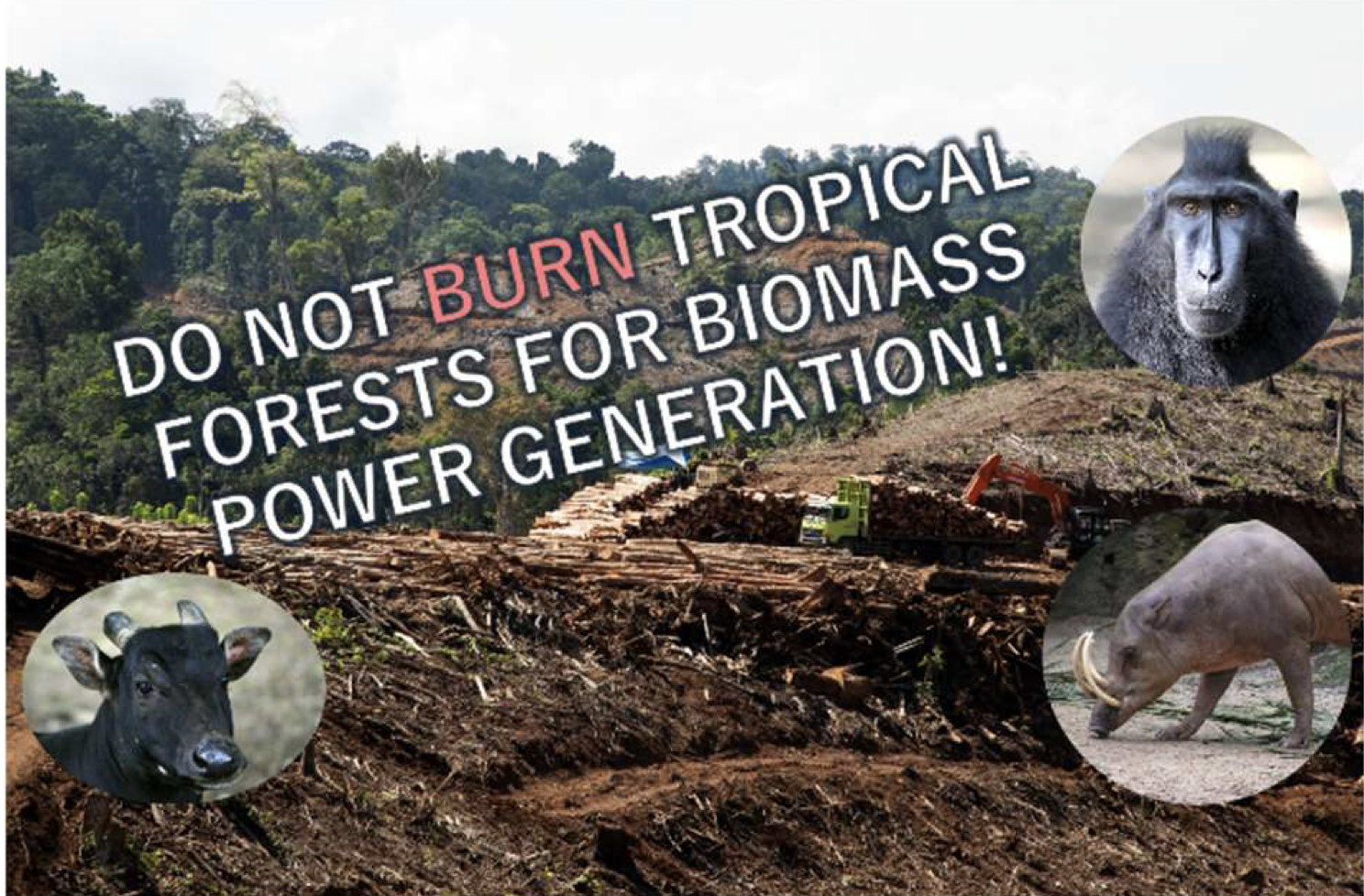
The international online petition launched by the Hutang Group, titled “Don’t Burn Tropical Forests for Biomass Power Generation! – Tokyo Gas and Hanwa Co., Ltd.: Stop Using Wood Pellets That Destroy Natural Forests on Sulawesi Island” (https://t.co/0jZ953uHxM) — has garnered signatures from over 9,500 individuals.
These signatures represent the direct voices of citizens and consumers worldwide, including customers and stakeholders, and serve as a manifestation of their resolute stance: they refuse to recognize energy sources associated with deforestation and human rights violations as truly “renewable.” Furthermore, amidst recent surges in fuel prices and the depreciation of the yen, biomass power generation models that rely heavily on imports face precarious business continuity; consequently, there is an extremely high risk that these assets could become “stranded assets” in the future.
Petition: https://t.co/0jZ953uHxM
Page Hosting the Formal Request Addressed to Japanese Companies: http://hutangroup.velvet.jp/db/pdf/tokyogas_hanwa_shareholders_letter_260401_jpn.pdf
Reference Materials
- Trends in Wood Pellet Imports from Indonesia: “Japan’s Biomass Power Generation and the Forests of Sulawesi” https://www.gef.or.jp/wp-content/uploads/2025/12/260113-Suzushima_Intro.pdf
- Fact Sheet: “The Laboratory of Evolution”—Biodiversity and Deforestation on Sulawesi Island: What Are the Risks of Wood Biomass (Pellet) Production? https://www.gef.or.jp/wp-content/uploads/2025/12/factsheet_sulawesi_biodiversity_biomass.pdf
- Reference Information: Habitat Status of Endangered Species in Gorontalo Province, Sulawesi http://hutangroup.velvet.jp/db/pdf/20260401gorontaloendangeredspeciesjpn.pdf
- Public Inquiry and Request Letter Addressed to Hanwa Co., Ltd. and Tokyo Gas Regarding Pellet Production and Procurement in Sulawesi (October 27, 2025)
- Responses to the Public Inquiry Letter Regarding Pellet Production and Procurement in Sulawesi, Indonesia