CEO Note: A victory for Indigenous rights in the Amazon
By Glenn Hurowitz, Founder & CEO
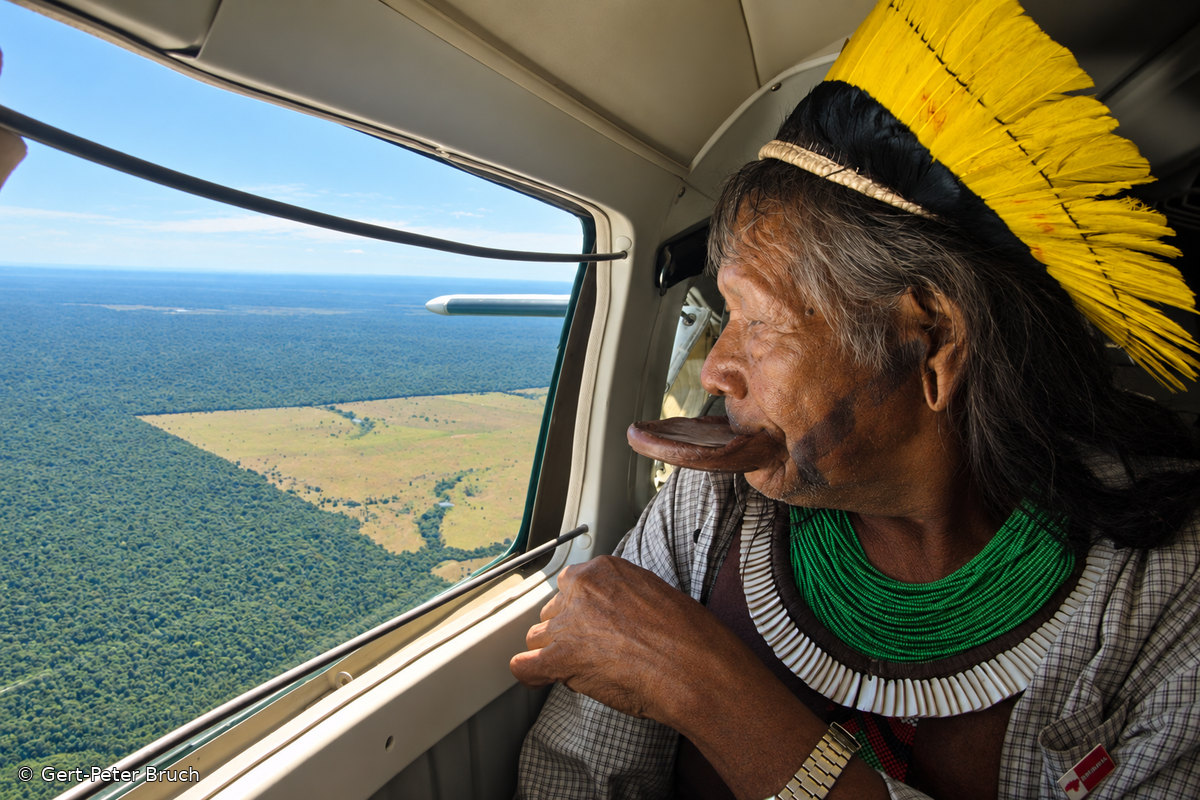
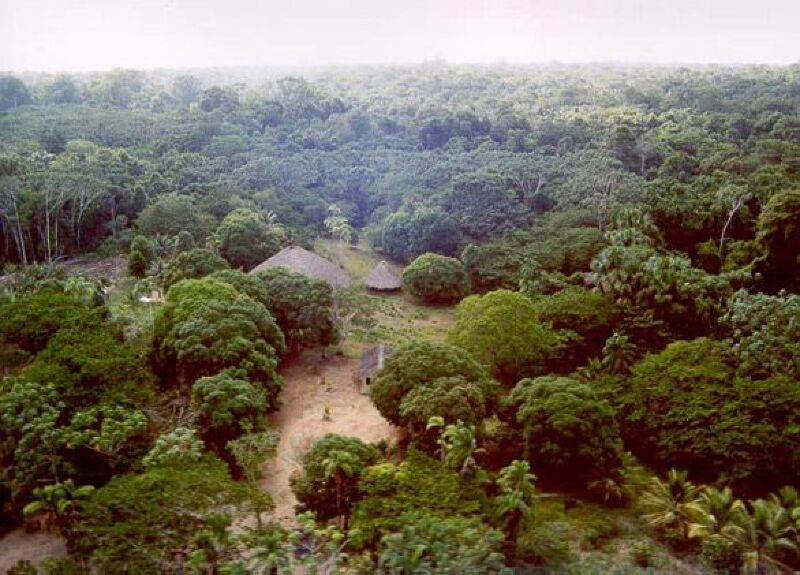
After 70 years of struggle, Brazil has issued a declaration recognizing the Indigenous rights of the Mebengokre-Kayapo and Yudja-Juruna peoples over 900,000 acres of Amazon rainforest known as Kapôt Nhĩnore. The area includes the ancestral territory of Chief Raoni, the Amazon’s most internationally recognized Indigenous leader.
Chief Raoni is 93 years old and has been leading an international campaign for the protection of the Kayapo people’s land for much of his life.
Permanently protecting Kapôt Nhĩnore has been a goal of the Kayapo people and their allies since the 1940s when two brothers from São Paolo, the Villas-Bôas brothers, traveled into the Amazon to live with the Kayapo and worked with them to secure legal protection for their lands.
They succeeded in 1961 in creating the Xingu Indigenous Park, a model for Indigenous-based conservation. But pressure from meat industry interests and miners who had invaded the Kayapo territory prevented protection of the vast expanses of Kapôt Nhĩnore – until now. The Lula administration stepped in. Brazilian President Luis Lula Inacio da Silva travelled to Chief Raoni’s hospital bedside to share the news with him.
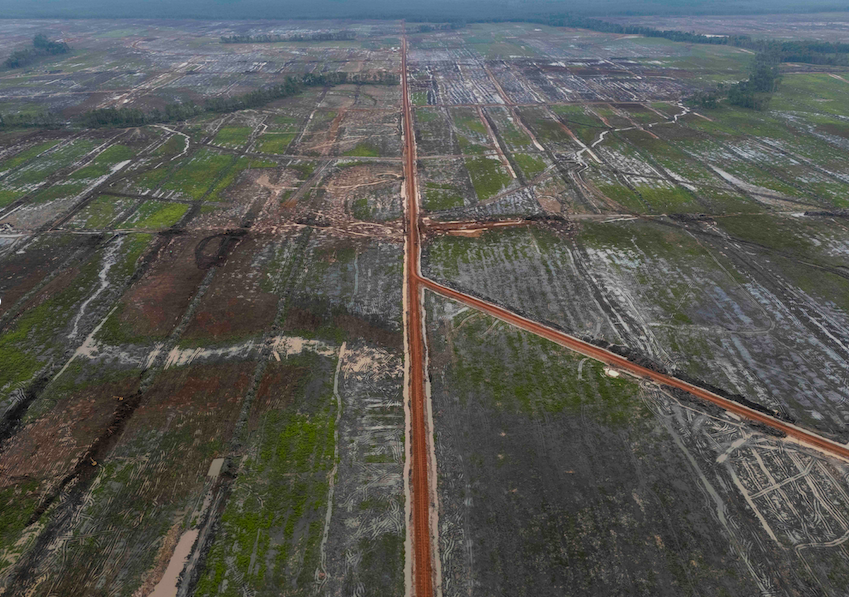
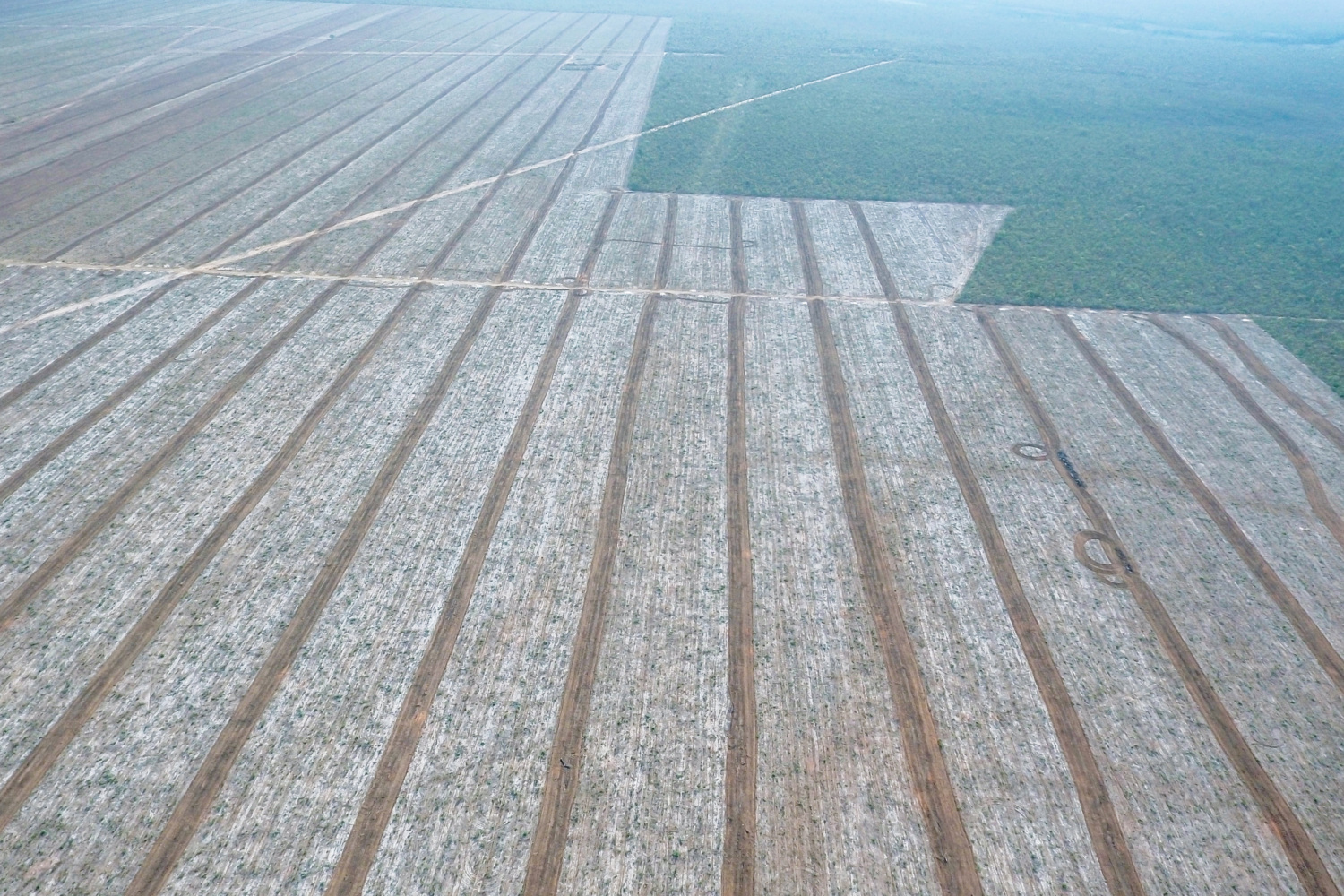
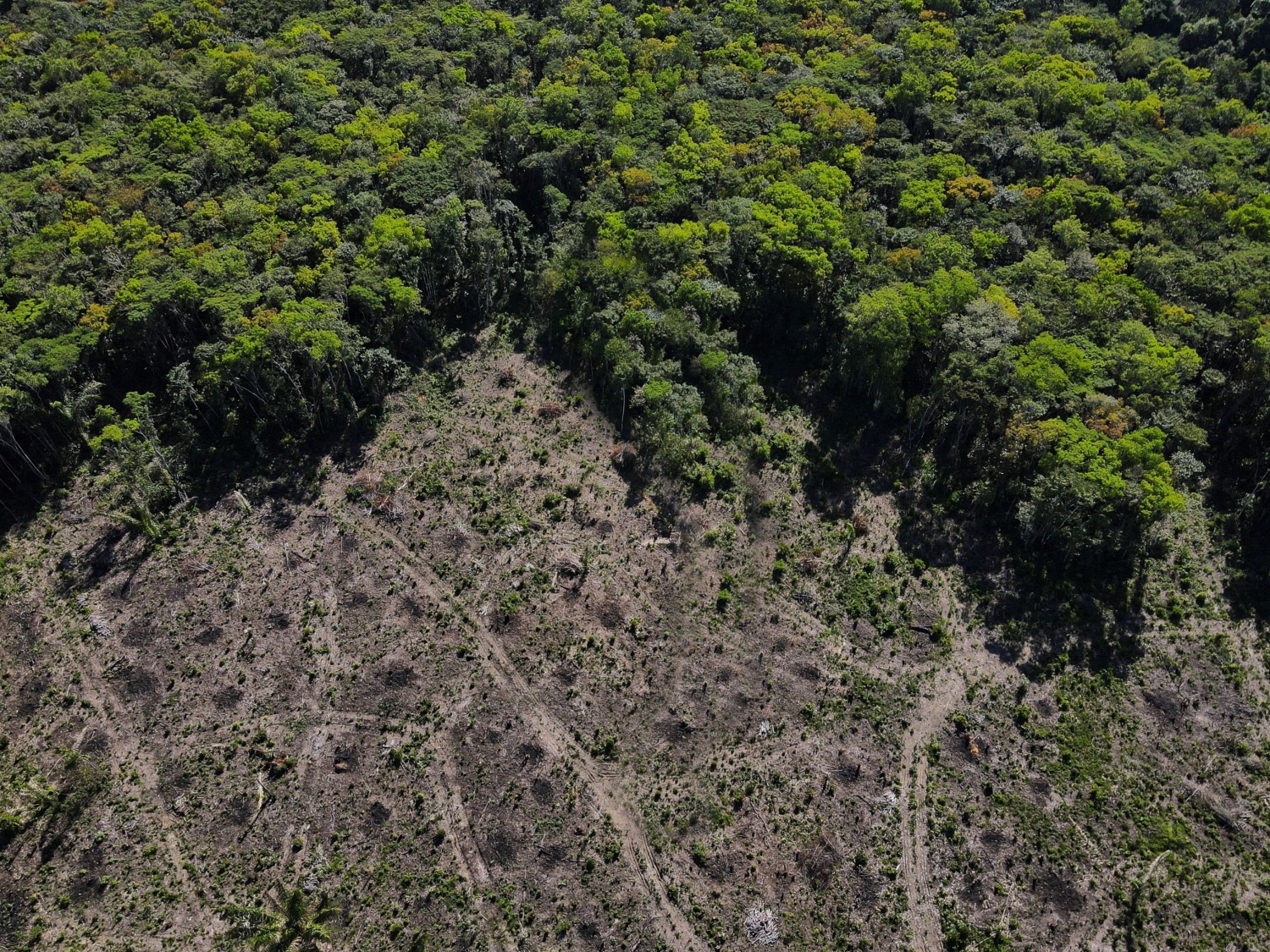
The announcement could not have come too soon: during the decades while the Kayapo and their allies fought for these protections, illegal cattle ranching and animal feed operations wreaked tremendous damage. By last year, the meat industry had occupied more than 133,000 acres of land.
An outstanding investigation by SUMAÚMA Jornalismo that drew in part on Mighty Earth’s recent Rapid Response Satellite Monitoring report traced thousands of cows from inside the Kapot Nhinore to JBS slaughterhouses. Mighty Earth’s analysis showed that these same slaughterhouses are beef suppliers to retailers like GPA, Assaí, Carrefour and Grupo Mateus.
This egregious case shows why it’s vital for retailers and meat companies alike to trace their meat supply, provide transparency to customers, and ensure that their supply chains are free from deforestation and land-grabbing – or become complicit in the destruction of rainforests and the communities that rely upon them.
This is a landmark achievement, but it’s not the end. Government and companies must work to restore lands that were seized to the Mebengokre-Kayapo and Yudja-Juruna peoples.
That means rapidly adjudicating any cases where ranchers or farmers have any legitimate land claims in ways that restore the land to its rightful Indigenous owners. Full demarcation and effective protection must follow, and other Indigenous communities across Brazil are still waiting for their territories to receive the same recognition.
Nature defenders can take great inspiration from the persistence of Chief Raoni and his many friends and allies who fought for protection of Kapôt Nhĩnore even through decades when it seemed like government was only paying attention to the meat industry.
Sometimes we win quickly, sometimes victory takes time and requires sacrifice, but we must have faith that we can prevail in the end.
—
© 2026. The text of this article is openly licensed under Creative Commons (CC BY-ND 4.0); you are free to copy and redistribute or republish the article in its entirety with attribution and credit.