COP30 in Brazil: Hype or Hope?
By Brenda Diniz
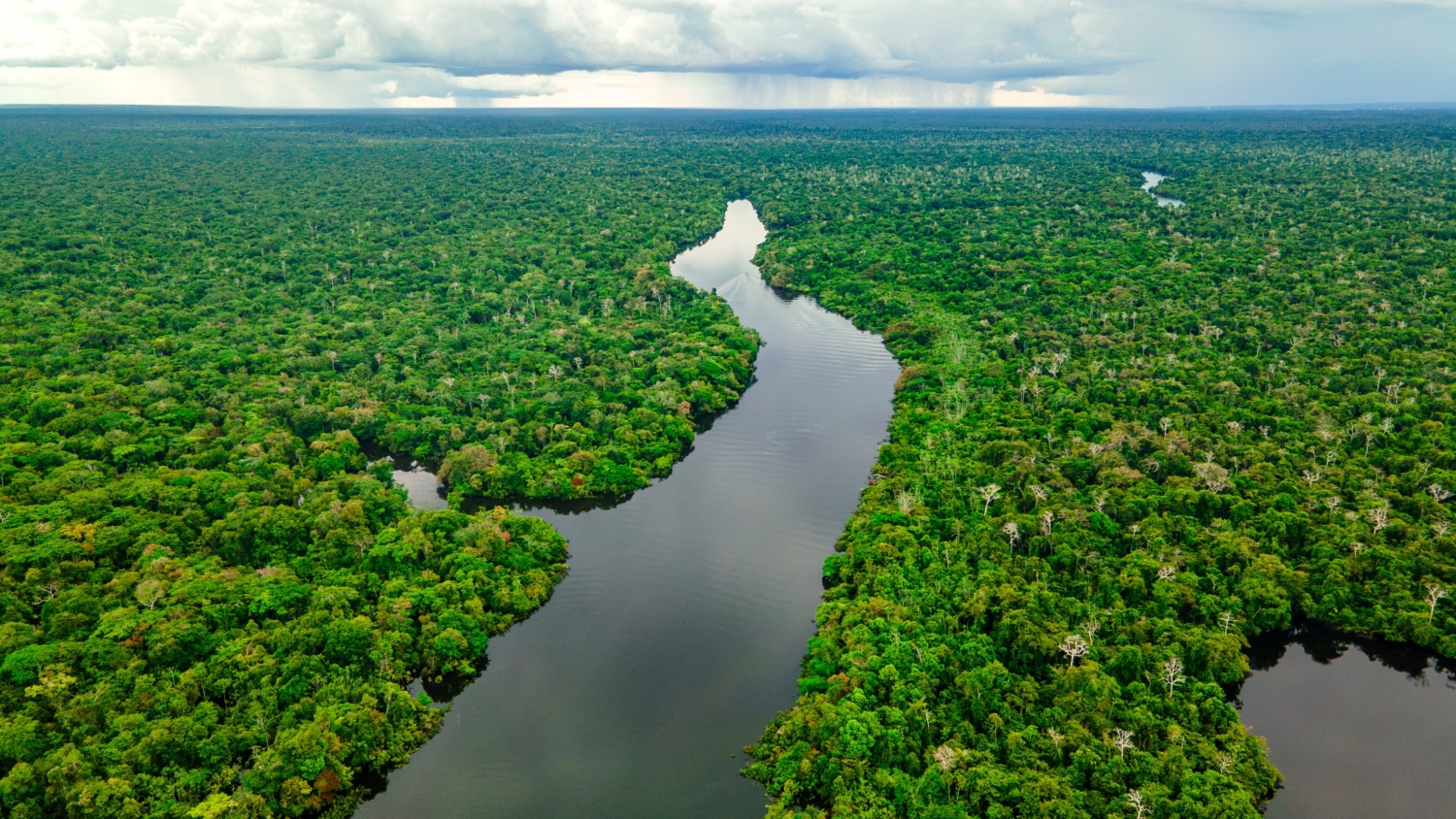
As world leaders, corporations, and campaigners gather in the Brazilian Amazon, for COP30, the global spotlight turns to this crucial rainforest — the heart of both the climate and nature crisis and its potential solutions. The stakes couldn’t be higher: what happens here in the Amazon could define not only the future of climate policy but offer hope for a livable future.
For many, this COP represents a long-awaited opportunity. Hosting the summit in the Amazon, home to more than 10% of the planet’s biodiversity and one of its largest carbon sinks, is both symbolic and strategic. It signals a call for climate and nature justice, indigenous leadership, and urgent changes in how we produce and consume
Yet beneath the inspiring speeches and high-profile panels lies a deep tension. Civil society organizations have raised concerns about the growing presence of agribusiness lobbyists, fossil fuel representatives, and corporate actors seeking to greenwash their reputations. Critics warn that the same forces driving deforestation, nature loss and emissions are now trying to shape the narrative and influence the rules of climate transition.
What can COP30 deliver?
As negotiations unfold in Belém, one question stands out: will COP30 deliver concrete commitments for a just and sustainable future, or will it become another stage for empty promises and more inaction?
The answer will depend on how much space is given to those most affected by the crisis — Indigenous Peoples, frontline communities, small scale farmers, and local campaigners — whose powerful messages must land with policymakers.
In the coming days, we will follow these stories closely: the challenges, and hopefully the progress that positions COP30 as a pivotal moment for people and planet.
Beyond the Climate Talks — What Really Matters Now
While the high-level debates take place in the negotiation rooms, there is momentum in the civil society movement that is calling for change. Real climate and nature action must be centering the voices of those who have protected the Amazon and other precious forests across the world, supported by Mighty Earth and our coalition partners who hold f industries accountable for the damage they cause.
1. Centering Indigenous leadership and reparations
Indigenous Peoples are not merely participants in the conversation; they are the true guardians of the forest, and their rights and knowledge must guide any climate solution. Ensuring their leadership also means seeking justice for the harm caused by destructive industries. The ongoing Casino Group case, which challenges the supermarket chain’s links to deforestation and violations of Indigenous rights in the Amazon, has set an important legal precedent for corporate accountability but despite lawsuit, Casino still sells beef from an Amazonian Indigenous land.
At COP30, initiatives like the Tropical Forest Forever Fund (TFFF), which pledges to allocate 20% of its resources directly to Indigenous Peoples and local communities, represent a crucial step toward recognizing their leadership and ensuring fair compensation for those protecting the forest. True progress will depend on building upon these efforts and making Indigenous-led action and corporate responsibility the rule, not the exception.
2. Protecting the Soy Moratorium as a pillar against deforestation
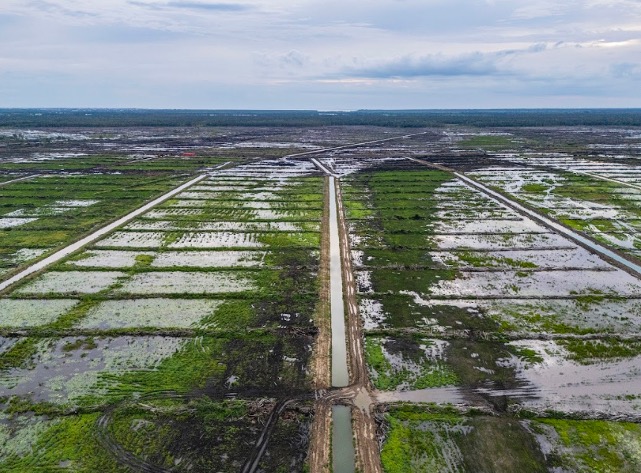
The Amazon Soy Moratorium has been one of the most effective measures to curb deforestation in the Amazon, blocking soy grown on newly cleared land from entering global supply chains. Since 2006, it has helped significantly reduce forest loss. Now, this critical pact is under threat. In August 2025, Brazil’s antitrust regulator suspended the Moratorium after pressure from agribusiness groups — a move that could trigger even more deforestation and market insecurity. Our new Rapid Response reveals a resurgence of soy-driven deforestation and fire threats in the Amazon, even as official data shows declining overall deforestation. In the last three years, soy expansion in the Amazon grew three times faster than in the previous 12 — a 210% increase, and an area more than three times the size of Los Angeles. Over 18,000 hectares of recent clearing linked to major soy traders, with fires increasingly used to convert land.
“Fire is becoming the weapon of choice for landgrabbers in the Amazon, and our new analysis highlights the urgent need for robust protection for this critical biome”, says Mariana Gameiro, Senior Advisor (Brazil) to Mighty Earth.
Protecting and reinforcing the Soy Moratorium is essential. Global traders and retailers must uphold their zero-deforestation commitments and ensure full transparency in their supply chains. Keeping the Amazon standing depends on it.
3. Demanding corporate accountability from global traders
The world’s largest soy and meat corporations, including major traders and retailers, must take responsibility for their supply chains. Their public commitments to zero deforestation cannot remain empty promises. As pressure builds in Belém, these companies need to show real progress and reinforce their commitments with clear actions, transparency, and deadlines.
4. Transforming our food systems
Tackling deforestation, emissions, and biodiversity loss requires transforming the food systems that drive them. This involves shifting toward plant-rich diets, supporting sustainable agriculture, and ensuring just transitions for farmers and workers.
Mighty Earth’s new analisys, “Where’s the Beef?”, reveals a major blind spot in global climate action: industrial livestock methane. As world leaders gather at COP30 in the Brazilian Amazon, we’re urging the UNFCCC to include food and agriculture in the climate agenda.
The EU, U.S., Brazil, China, and India — home to the largest cattle herds — lack credible plans to reduce methane from industrial meat and dairy, even though together they account for 45% of global agricultural methane emissions. Without decisive action to cut livestock methane, the Global Methane Pledge will fail, jeopardizing the goal of limiting warming to 1.5°C.
Curious about what we’re doing next?
Follow our updates from Belém and beyond on Mighty Earth’s Instagram and LinkedIn, and explore our full COP30 agenda at www.mightyearth.org/cop30.