Code Red: Urgent action needed to save world’s rarest great ape
Read the report here.
A new report by Mighty Earth and Satya Bumi, Code Red for the Tapanuli Orangutan, warns that without immediate intervention, the world’s rarest great ape could become the first driven to extinction in modern times – less than a decade after scientists discovered it was a species in its own right.
The report spotlights the precarious position of the Tapanuli orangutan at a time when delegates from around the world are in Yerevan, Armenia, for the 17th meeting of the Conference of the Parties to the United Nations Convention on Biological Diversity (CBD COP 17). The conference will conduct its first global review of collective progress in implementing the Kunming-Montreal Global Biodiversity Framework, which includes the key goal of halting species extinction (Target 4). The theme of this year’s conference is “taking action for nature” – and no species’ plight demands more urgent action than that of the Tapanuli orangutan.
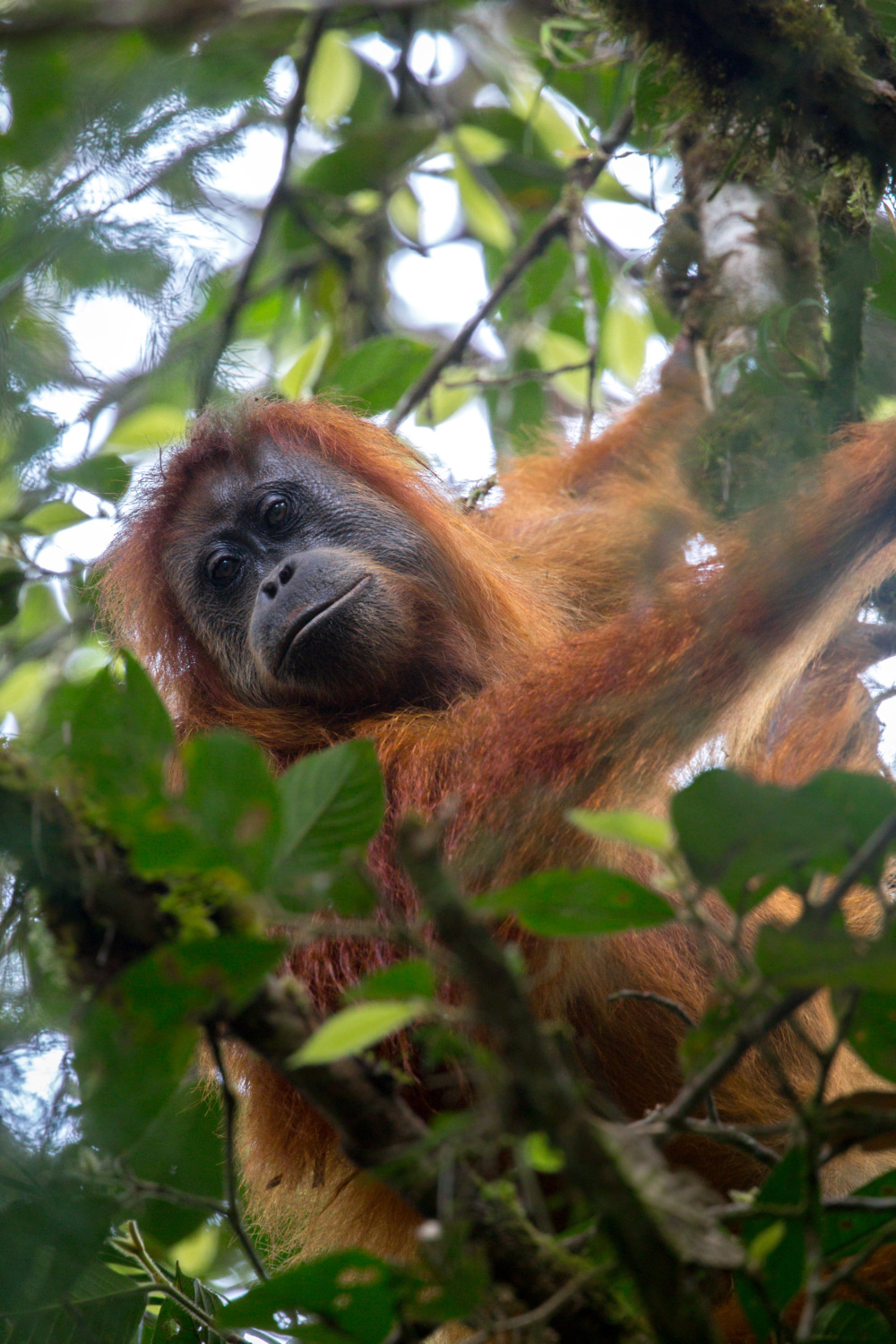
Found only in the ancient forests of Batang Toru in northern Sumatra, the Tapanuli orangutan was only recognised as a distinct species in 2017, becoming the first new great ape species to be described since the 1920s. Its evolutionary lineage stretches back millions of years, but now its future hangs by a thread. Due to myriad threats, only 658 individuals may now remain in the wild – a population small enough to fit into just one and a half Boeing 747s.
Already under siege from mining, deforestation, habitat destruction and a devastating cyclone, the species’ survival has never been more uncertain.
Amanda Hurowitz, Great Apes program lead at Mighty Earth said:
“This is Code Red for the Tapanuli orangutan, a species on the brink of extinction without a recovery plan. The danger is immediate but extinction is not inevitable. There is still an opportunity to protect the remaining population, restore damaged forests and secure a future for this remarkable species. But the window to save them is closing fast.”
“It is possible to bring a great ape species back from the brink with a co-ordinated recovery plan, as we’ve seen with the mountain gorillas of Central Africa. The time for action for the Tapanuli is now. We cannot let one of our closest relatives disappear off the face of the Earth on our watch.”
Professor Serge Wich, of Liverpool John Moores University, who helped identify the species, said:
“It would be a terrible failure by humanity, the conservation community and governments. With all the knowledge and money we have in the world, if we can’t save charismatic species like this… what is the hope for all the other species that we care about?”
Professor, Jatna Supriatna, Chairman of the Institute for Sustainable Earth and Resources, University of Indonesia, said:
“It’s fair to say that there is still no single recovery plan with population targets, habitat targets, and dedicated funding. Collective work on the ground has already started through established coalitions, including the Batang Toru Working Group. We know that extinction is permanent and no technology can bring a species back. Our job now is to strengthen collaboration among partners, including the government, CSOs, communities, and businesses. It is important to coordinate efforts on the ground to achieve our conservation and restoration goals”
A devastating blow
In November 2025, Cyclone Senyar unleashed more than 1,000mm of rain over four days, triggering catastrophic floods and an estimated 50,000 landslides across northern Sumatra.
The disaster damaged more than 8,300 hectares (20,500 acres) of forest in the western Batang Toru ecosystem, destroying around 11.7% of its forest cover and potentially killing up to 58 Tapanuli orangutans – equivalent to 7% of the entire species.
A species already under siege
The cyclone struck a species already in peril. Confined to just 1,420 square kilometres of rainforest in northern Sumatra – an area slightly smaller than Greater London – the Tapanuli orangutan has suffered decades of habitat loss, with a 2021 study estimating its population had plummeted by 97.5% since 1890.
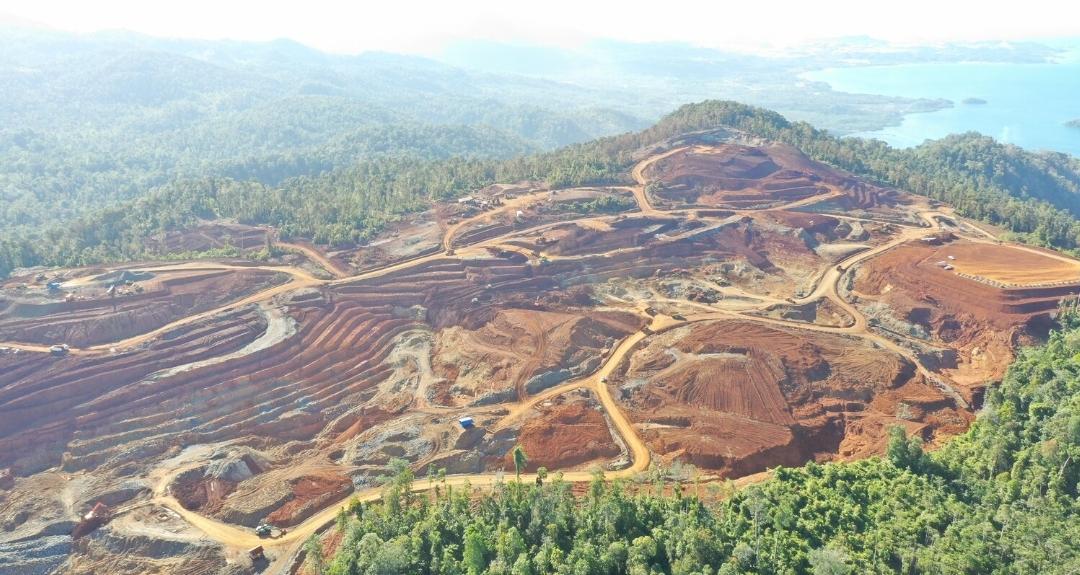
Its last remaining stronghold is under mounting pressure from mining, hydropower development, agricultural expansion, logging and hunting. The Batang Toru hydropower project threatens to further fragment its isolated populations, while the Martabe Gold Mine, owned through UK conglomerate Jardine Matheson, has pursued northward development towards orangutan habitat.
These mounting pressures threaten to destroy vital forest connections, isolating populations and jeopardising their long-term survival. Any one of these threats could jeopardise the Tapanuli orangutan’s survival. Together, they have pushed a species already on the brink into a race against extinction.
Sadam Richwanudin, Senior Campaigner at Satya Bumi said:
“We call on the international community, gathered here in Yerevan under the banner of ‘taking action for nature,’ to use this moment to chart a path forward for the Tapanuli orangutan, one of Indonesia’s most charismatic and iconic mammals.”
“From deforestation, ecological disasters, to wildfires, Indonesia’s orangutan populations are suffering too much, with all three species – Sumatran, Bornean and the Tapanuli – critically endangered.”
The Indonesian government needs to lead the charge on getting key stakeholders around the table to plan a future for the most threatened: the Tapanuli. For them, there is no second home. The Batang Toru forest is their only home. Also we must ensure the communities are not left behind in conservation efforts. That’s why we must restore their forest and take action now.”
Emergency recovery plan needed
While the report warns that the Tapanuli orangutan is now closer to extinction than at any point since its scientific recognition in 2017, its fate is not yet sealed.
The IUCN has called for a moratorium on projects threatening its habitat until a conservation management plan is adopted. Mighty Earth wants action to go further and has urged for immediate, coordinated action from governments, businesses and conservation groups to save the Tapanuli orangutan from extinction. Scientists believe the species can still be saved and the knowledge and tools to pull it back from the brink already exist. But without a united effort to protect and restore its habitat and rebuild its population, the window for survival is rapidly closing.
In keeping with the “take action for nature” theme of CBD COP17, the report calls for six urgent actions to save the Tapanuli orangutan:
- URGENT UPDATED SURVEYS: Count surviving orangutans, assess habitat damage and search for undiscovered populations across their historical range.
- STOP LOSING FOREST AND RECONNECT WHAT REMAINS: Halt further deforestation and restore vital forest corridors between isolated populations.
- REBUILD THE WEST BLOCK: Urgently restore cyclone-damaged habitat in West Batang Toru through replanting and active forest regeneration.
- MAKE EVERY ORANGUTAN COUNT: Prevent further deaths by tackling hunting, human-wildlife conflict and threats from development.
- PUT LOCAL PEOPLE AT THE HEART OF RECOVERY: Involve Indigenous and local communities in conservation and support sustainable livelihoods.
- PAY FOR A RECOVERY – DON’T JUST AVOID EXTINCTION: Secure long-term funding and a coordinated recovery plan to rebuild the population, not merely prevent extinction.
Notes to editors
Report: Code Red for the Tapanuli Orangutan: What will it take to save the world’s most endangered great ape? Mighty Earth, October 2026. Read here
Visual assets here.
—