CEO Note: “Sumatra is a warning from Nature”
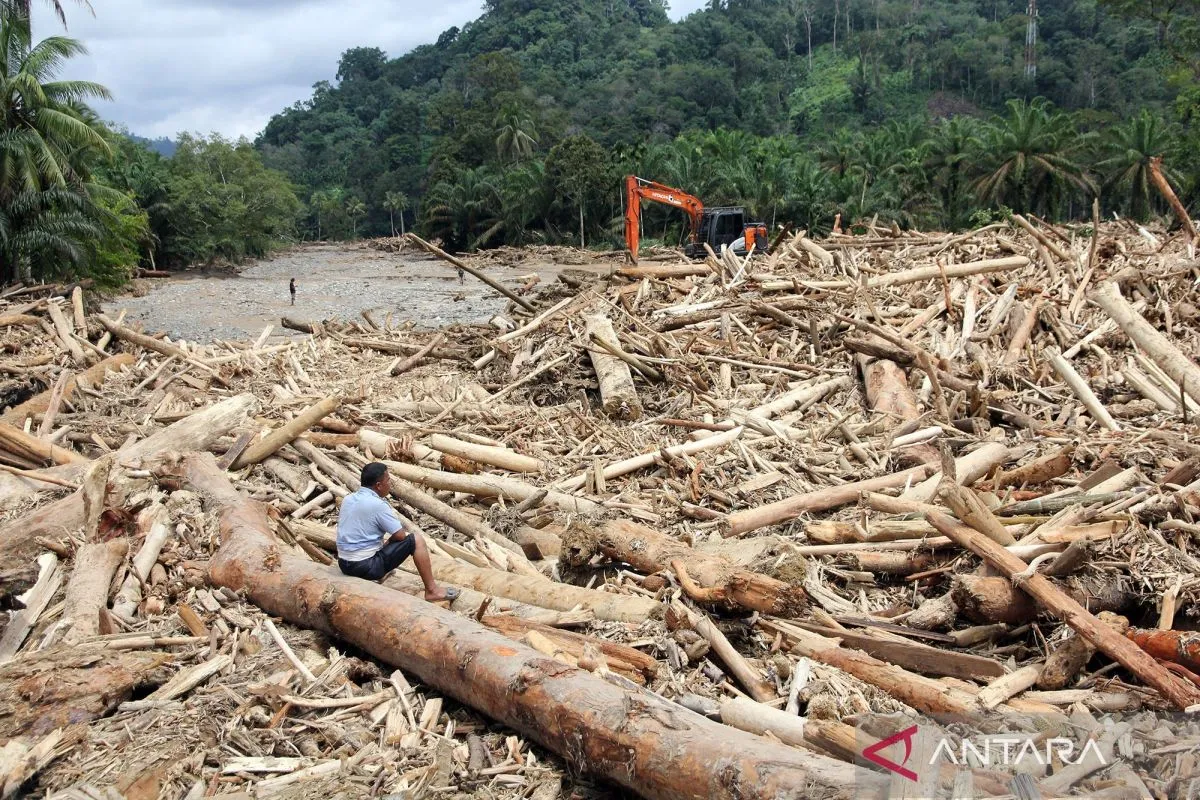
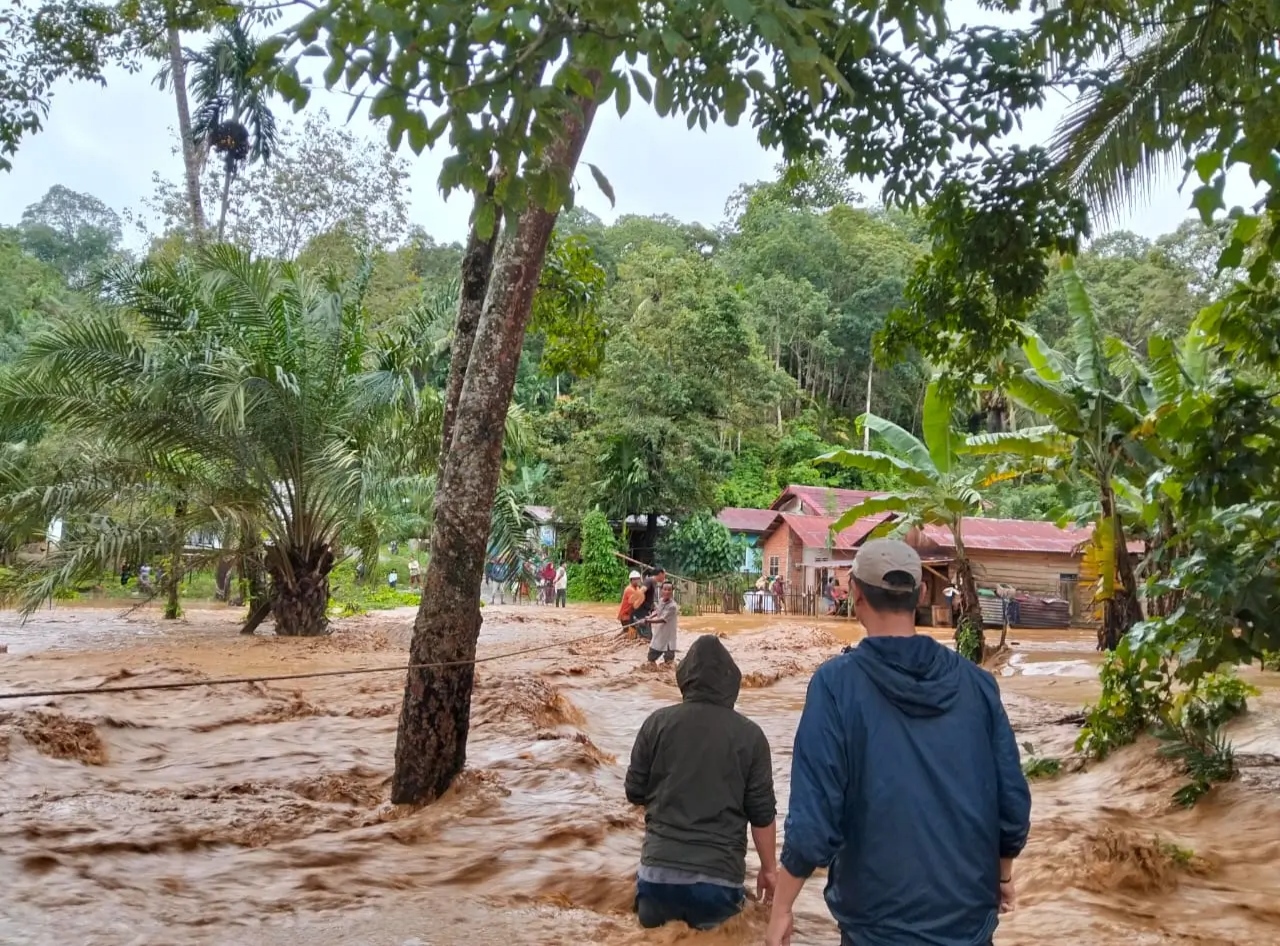
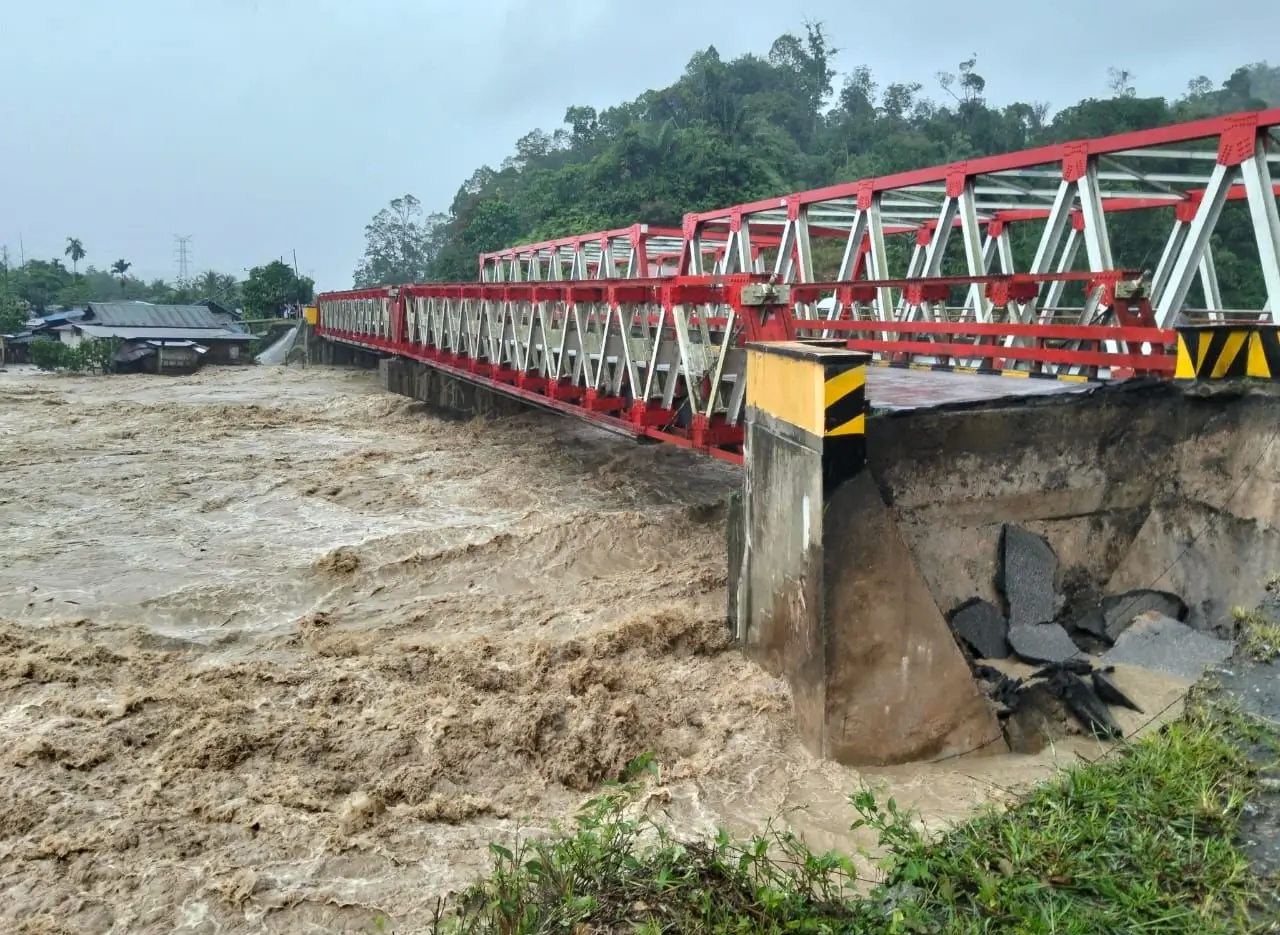
Cyclone Senyar has pounded Southeast Asia, resulting in catastrophic flooding across the region. It generated the second-highest total rainfall within 24 hours ever recorded, saturating the region and the island of Sumatra in particular. Over 800 are reported dead in Indonesia alone.
Indonesians experiencing the disaster, up to and including the President, are recognizing that it is the product of decades of deforestation – and calling for new accountability and legal action.
Indonesian Environment Minister Hanif Faisol Nurofiq said the flooding and death “cannot be attributed solely to natural causes,” and told the Indonesian parliament that tens of thousands of acres of deforestation in Sumatra have created a far more deadly situation. He added, “Sumatra is a warning from nature. The climate crisis has surpassed the capacity of any single country, made worse by global unpreparedness.”
Prior to visiting the disaster zone, Indonesian President Prabowo recognized the role of deforestation and said, “[We must] really prevent the destruction of forests, and we must keep our rivers clean so they can channel water that may suddenly come.”
Indonesia Forest Minister Raja Juli Antoni said, “The pendulum between the economy and ecology seems to have swung too far towards the economy and must be brought back to the center.”
I share these quotes in hopes that as awful a tragedy as these floods are, it is also moment in which the Prabowo administration will follow through to superpower nature conservation and resilience in the country. They already have this aspiration; now they have the compelling moment to make it a reality.
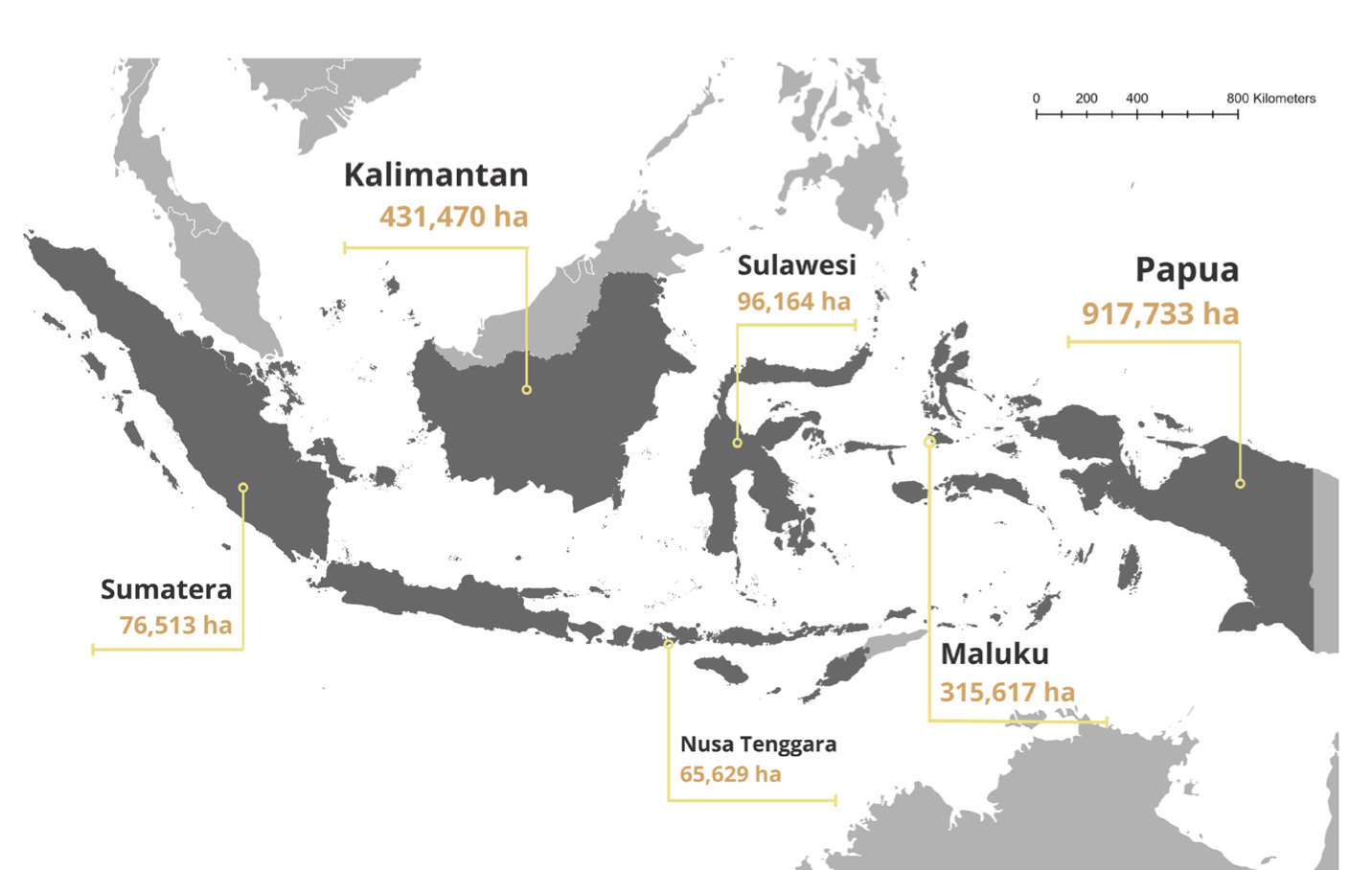
The first and most important step the government can take is putting an emergency pause on the Food and Energy Estates, “the world’s largest deforestation project.” The project has already bulldozed 86,000 acres of forests and wetlands in Papua; with a combined 7 million total acres planned for Sumatra, Kalimantan, Sulawesi, and Papua.
As bad as the floods this week have been, deforestation at the scale contemplated by the Food and Energy Estates would mean that storms less severe than this one could cause more loss of life, more mudslides, and more catastrophic flooding in the future because of the absence of the native vegetation that serves as Mother Nature’s buffer.
Batang Toru Could be the Future
We have a hint of what much more of Indonesia could look like in future storms from the condition of Sumatra’s Batang Toru ecosystem. It’s famous as the home of the world’s rarest species of great ape, the world’s 800 Tapanuli orangutans, but hundreds of thousands of people also depend on it for their lives.
Terrible flooding has afflicted Batang Toru after a Chinese-backed dam company and other development interests bulldozed the region’s forests to make way for a dam smack in the middle of the orangutan habitat.
Speaking about the severe damage caused by Cyclone Senyar, Environment Minister Hanif recognized the toll of hydropower development, industrial forestry plantations and palm-oil estates, saying “These land-use changes raise concerns that Batang Toru’s ecosystem can no longer function as a water buffer.”
The good news is that Environment Minister Hanif announced that the government would review environmental approvals in Batang Toru and question company officials about why logs jammed the rivers, making the damage from the floods worse.
Mighty Earth has warned for years about the risk from this dam to both orangutans and people (not a signal of particular prescience from us – mudslides in areas deforested by the dam company already killed more than a dozen people). The case of Batang Toru is an example of how the health of wildlife, the surrounding ecosystem, and communities are so tightly linked. Protect nature, and communities and the country will prosper.
An Opportunity for a Resilient and Prosperous Future
President Prabowo and his administration understand the need for nature to survive these storms in what is possibly the most climate-vulnerable region on Earth. Towards that end, they have proposed an exciting 25-million-acre nature restoration initiative that could provide their country with massively scaled up resilience in the face of a hotter climate and severe storms – and afford them the opportunity to benefit from investment in Nature such as the Tropical Forest Forever Facility.
But deforestation of the type contemplated in the Food and Energy Estates would choke off investors’ and donors’ interest in making their exciting nature vision a reality – and create a whole new generation’s worth of flood and mudslide risks.
This is Indonesia’s defining moment for Nature. It’s important for Indonesia’s people because they need nature to avoid the catastrophic impact of storms and tsunamis and fires to which their location exposes them. And it’s important for the world because Indonesia is a nature and climate superpower – the fate of its forests and oceans will have a decisive impact on the planet.
With prayers for the people of Sumatra,
Glenn
—
© 2025. The text of this article is openly licensed under Creative Commons (CC BY-ND 4.0); you are free to copy and redistribute or republish the article in its entirety with attribution and credit.