Food Estate Projects in Indonesia
Protect forests, protect people
Nearly 3 million hectares of land are at risk of being cleared in Merauke, Papua for Indonesia’s Food & Energy Estate Project. We are campaigning to:
PROTECT FORESTS. The Food Estate projects can be redirected onto degraded land using social forestry practices, avoiding further deforestation or peatland development.
PROTECT PEOPLE. The rights of Indigenous communities must be protected. The Merauke food estate project overlaps with Indigenous territories, putting livelihoods at risk. Corporate and military intimidation must stop. Indigenous people should be allowed to give Free, Prior, and Informed Consent (FPIC) before any development on customary land.
About the Merauke Food & Energy Estate
Papua is one of the most biodiverse places in the world. Containing the largest intact rainforest in Indonesia, Papua acts as a vital carbon sink and is home to critically endangered animals, including birds of paradise and tree kangaroos. Unfortunately, its dense forests and large swaths of previously untouched land make Papua a target for development projects. The latest threat comes in the form of the Indonesian government’s Food and Energy Estate mega-project.
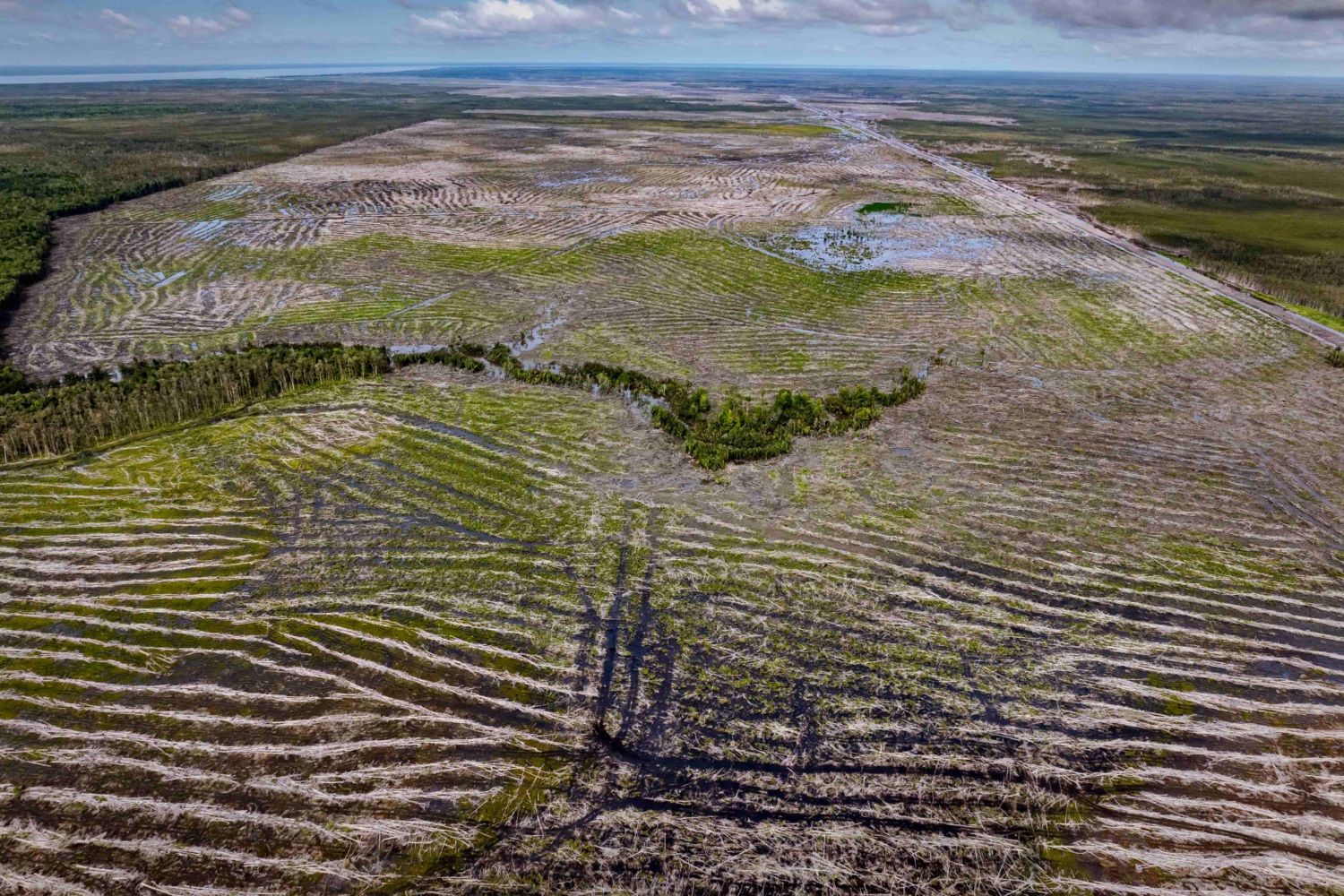
The government has several Food and Energy projects underway, including on the islands of Borneo and Kalimantan. In Papua, the Merauke Food and Energy Estate project area spans nearly 3 million hectares. Mighty Earth believes that this scale makes Merauke the largest single deforestation project in the world. The Merauke Food and Energy Estate contains 2 major areas: one allocated for rice production being developed by Haji Isam’s Jhonlin group; and one allocated for sugar production controlled by the Fangiono family through the Merauke Sugar Group.
Brief on Food Estate Project in Papua
Read Brief Here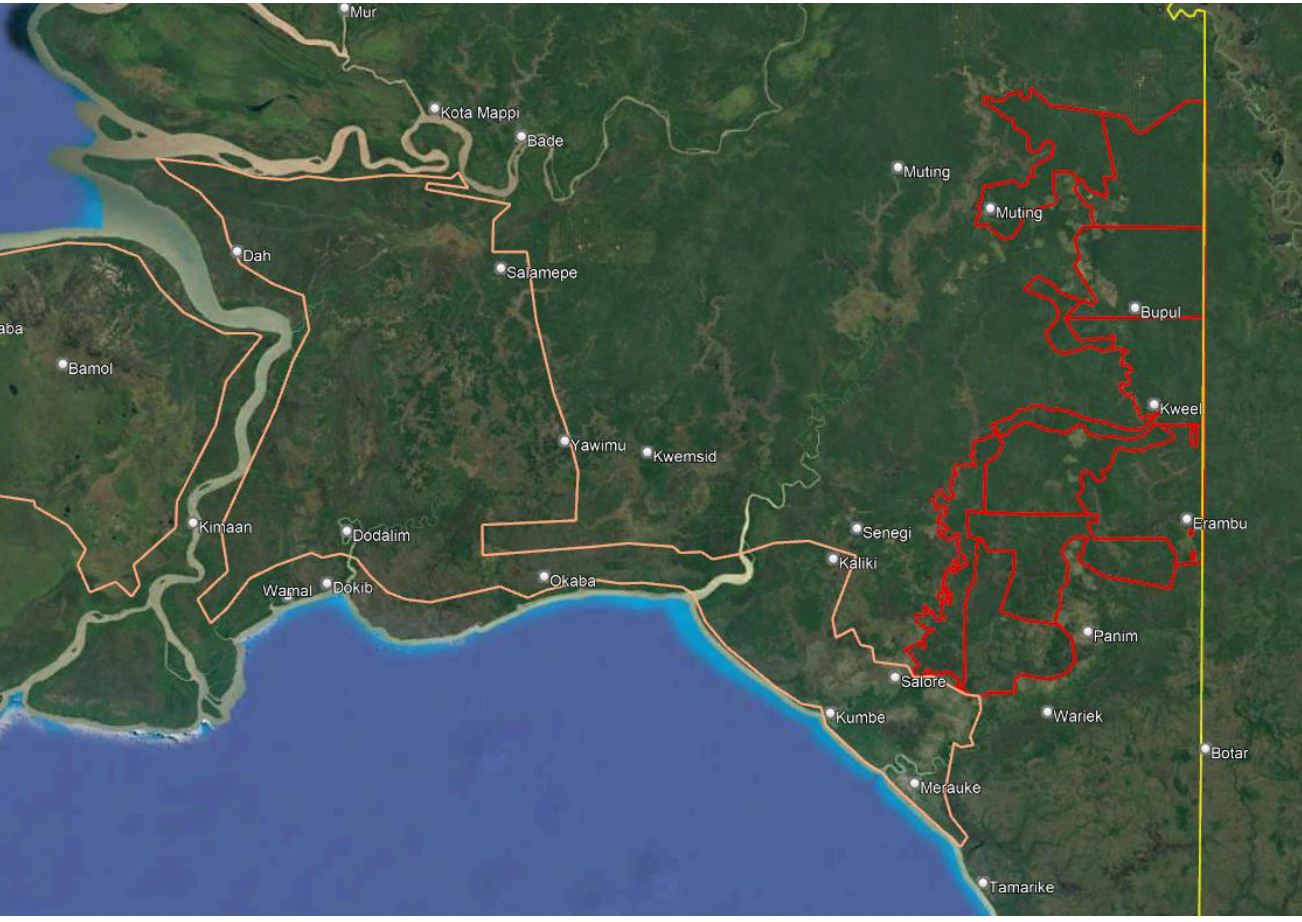
Harm to Indigenous Communities
The food estates in Papua overlap with customary Indigenous land. According to Indonesian CSO Pusaka, “Starting from the large scale transfer of land control of up to millions of hectares through fraudulent practices. As a result, indigenous peoples are excluded and lose control over land and forests which constitute the source of life, they face difficulty in accessing sources of food and sources of livelihood, destruction of social and cultural systems, exploitation of workers and inadequate wage, violence, non-compliance by the state and corporations in fulfilling the promises of prosperity and decent profit sharing, deforestation, malnutrition, destruction of the ecosystems where flora and fauna live, and even water pollution.”
Unsuitable Land
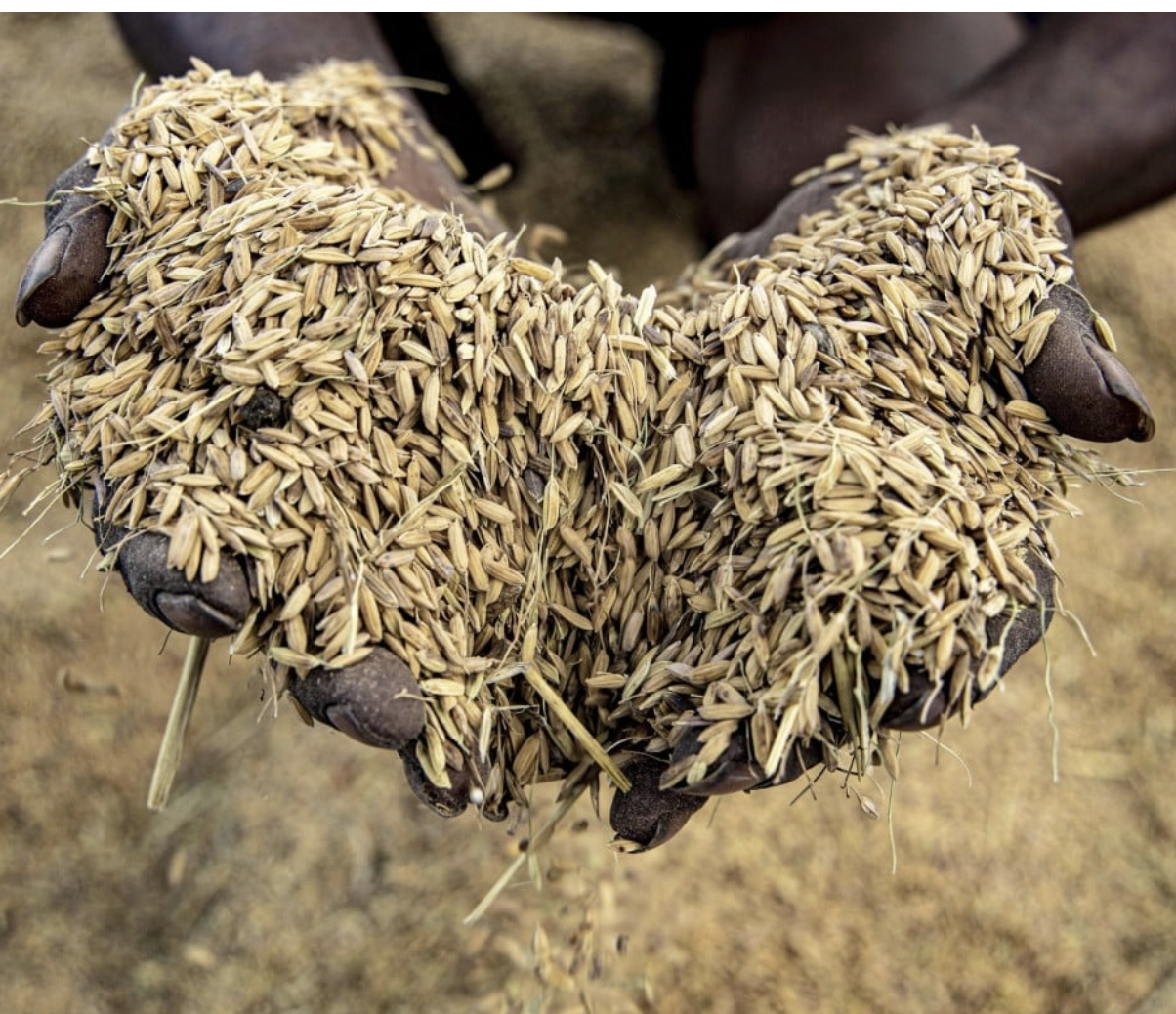
The project in Papua is designated for rice and sugar plantations. Studies show that the land (supposedly designated for growing food for schoolchildren) is not highly suitable for either, especially not across the span of millions of contiguous hectares. Indonesia recently reached its highest rice stock in over 50 years, raising the question of why it would be necessary to cut down hundreds of thousands hectares of forest for the purposes of rice production. It can be presumed that the sugar will be at least partially used for bioethanol — not food.
Deforestation
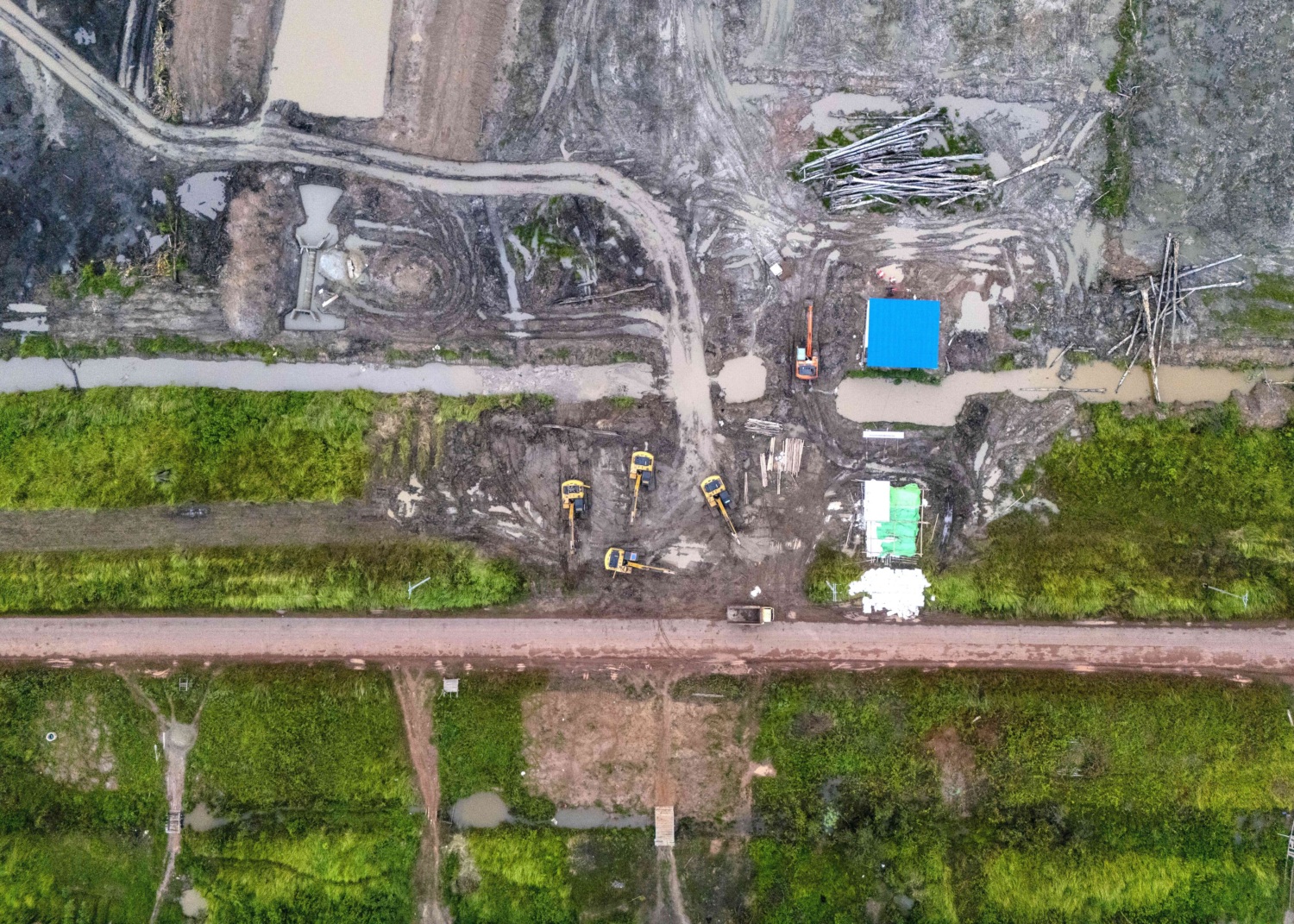
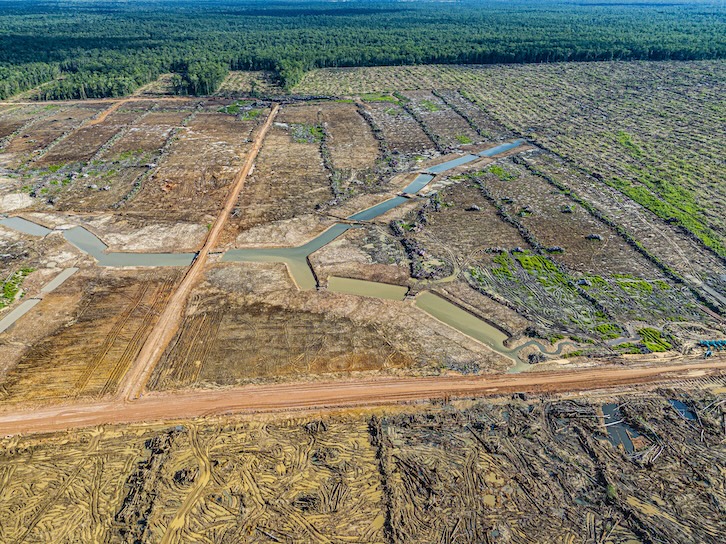
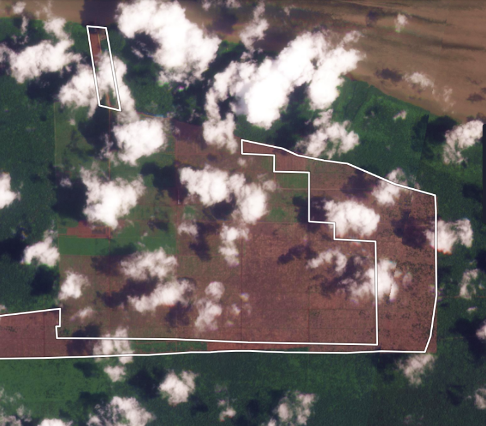
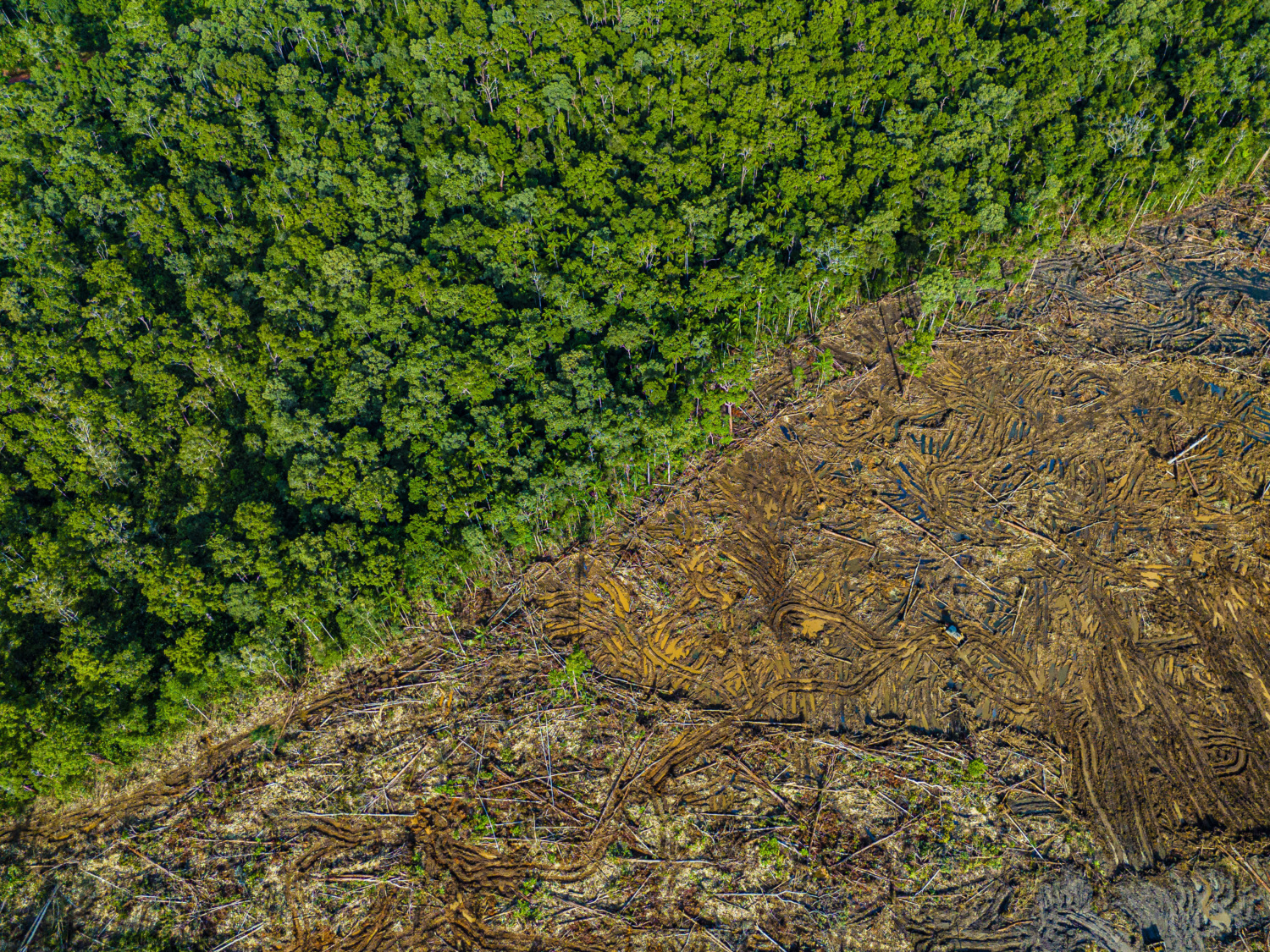
Nearly 11,000 hectares have been cleared for the food estates in Papua thus far. More clearing is being done as roads are built. See an interactive environmental impact map of the project below. For more, see the map from Nusantara Atlas below demonstrating deforestation in the rice side of the Merauke food estate.
See also the map from Mighty Earth below exploring destruction of forest throughout the Merauke food estate.