CEO Note: Protecting nature amid the Godzilla El Niño
By Glenn Hurowitz, Founder & CEO
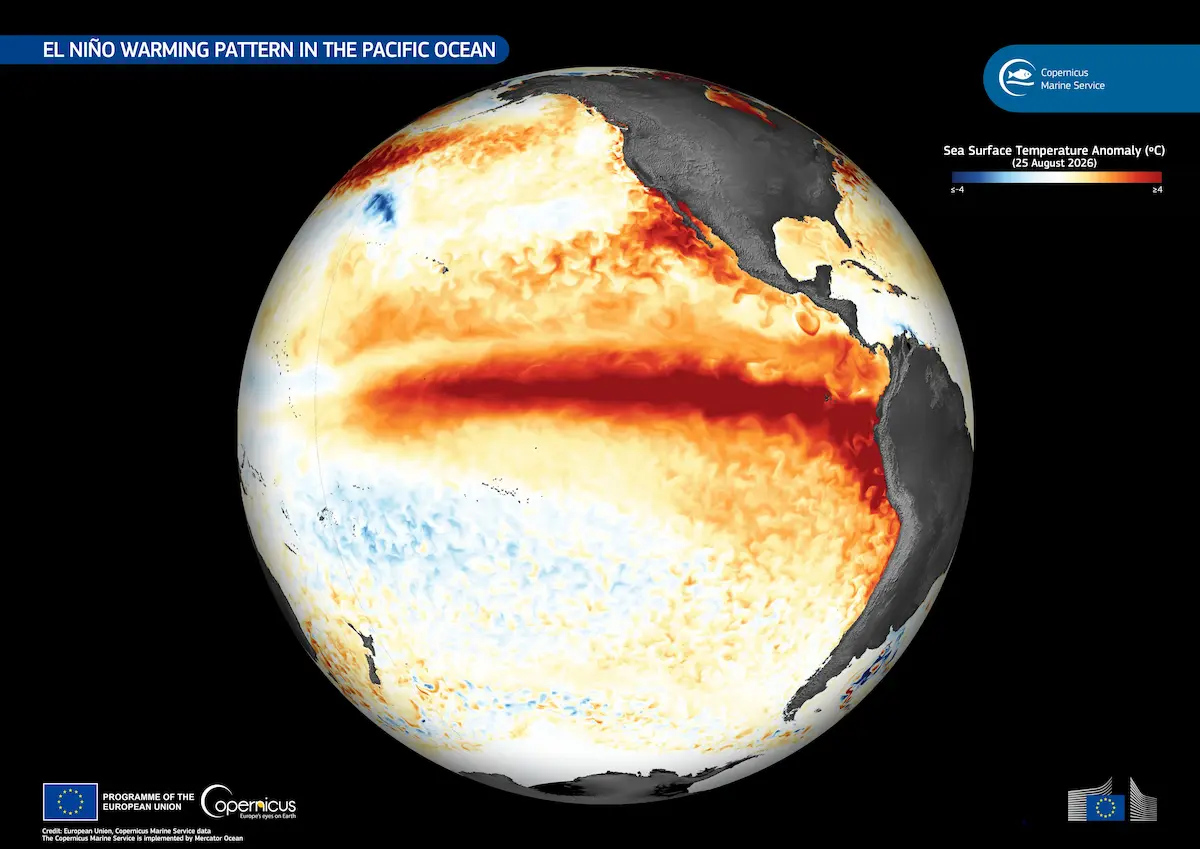
“Godzilla” El Niño, this year’s extreme climate event, is “looking to be the largest El Niño in living memory and likely the strongest since the 19th century.”
Nature isn’t just a bystander or victim in this crisis; it’s our frontline infrastructure. And the difference between intact and degraded landscapes shows up starkly. Dense forest canopies protect species from climate change because they keep temperatures measurably cooler, even during record-breaking heatwaves. Deforested landscapes lie exposed like open wounds to the beating sun.
The more intact a forest is, the better it withstands and recovers from wildfires or droughts. And as Dr. Bryna Donnelly writes for Greater Good Charities, “Every tree planted, every wetland restored, every living shoreline built, and every pollinator habitat established helps communities better withstand the next heat wave, wildfire, or storm. Conservation isn’t separate from disaster preparedness anymore.”
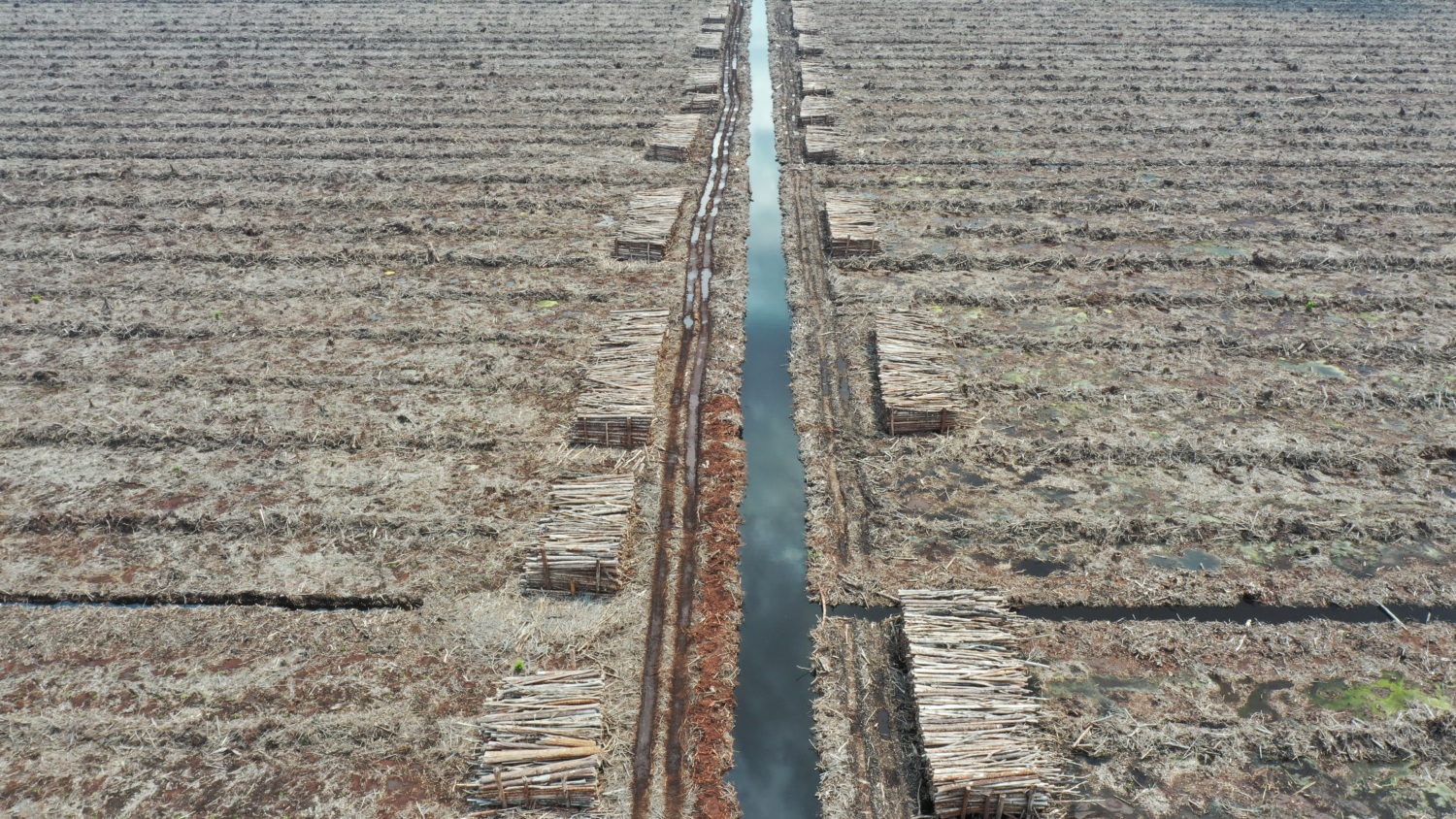
The landscapes that have been bulldozed for cattle pasture, oil palm plantations, and industrial agriculture aren’t just casualties of the climate emergency: their loss is actively making the crisis worse.
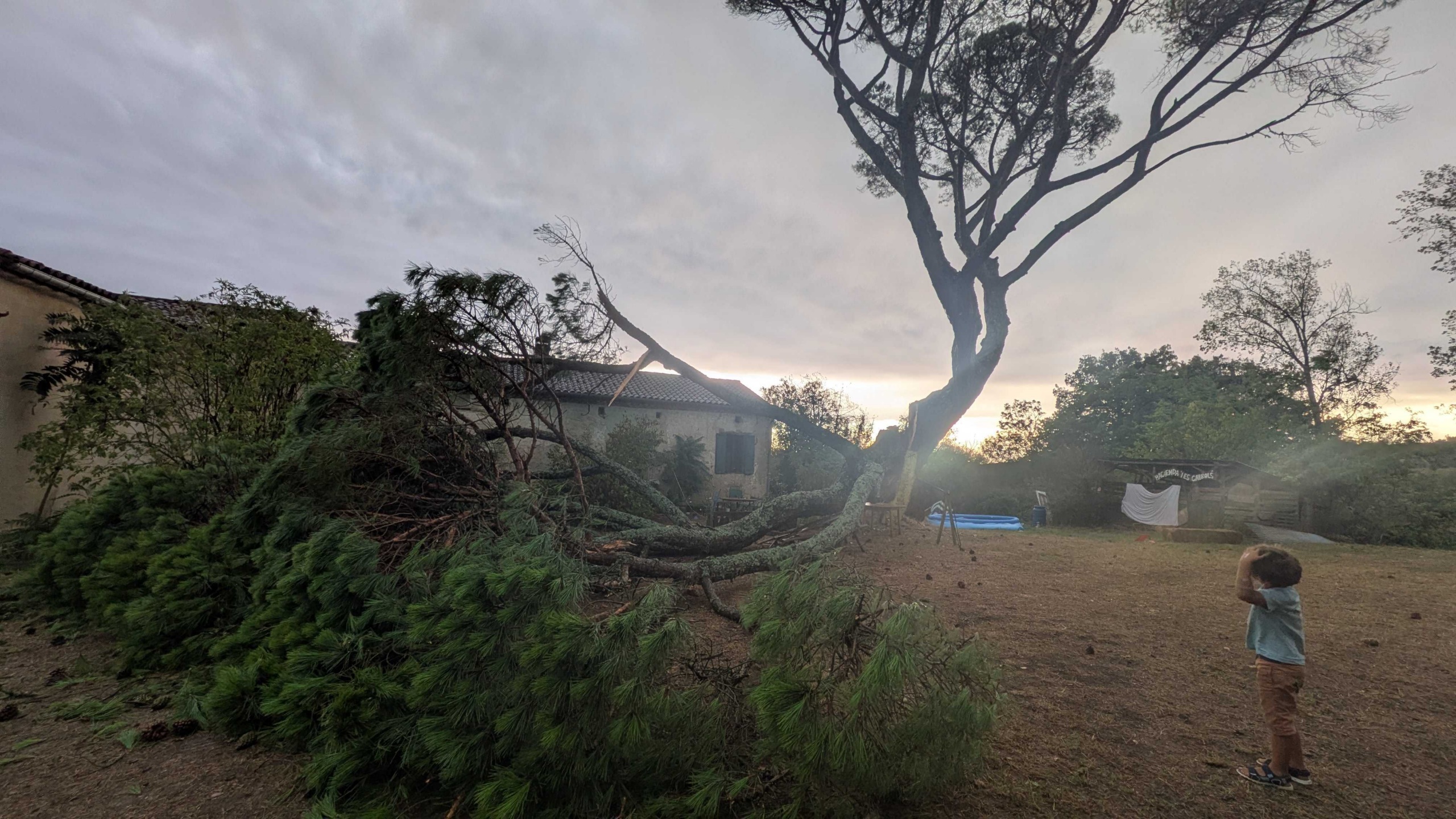
In Europe, extreme heat waves have caused chaos all summer. Fires broke out in the Scottish Highlands. A London Climate Week event on how to cope with the governance challenges posed by extreme heat was canceled…due to extreme heat. The largest fires in modern history have displaced more than 300,000 people across France and Spain – the countries’ largest-ever peacetime evacuations. The French wine harvest, Tour de France, and countless festivals and concerts have been disrupted. Just a few days ago, Mighty Earth’s Boris Patentreger shared with our team that “after a scorching summer…a violent windstorm brought down half of the iconic pine tree” at the entrance of his farm.
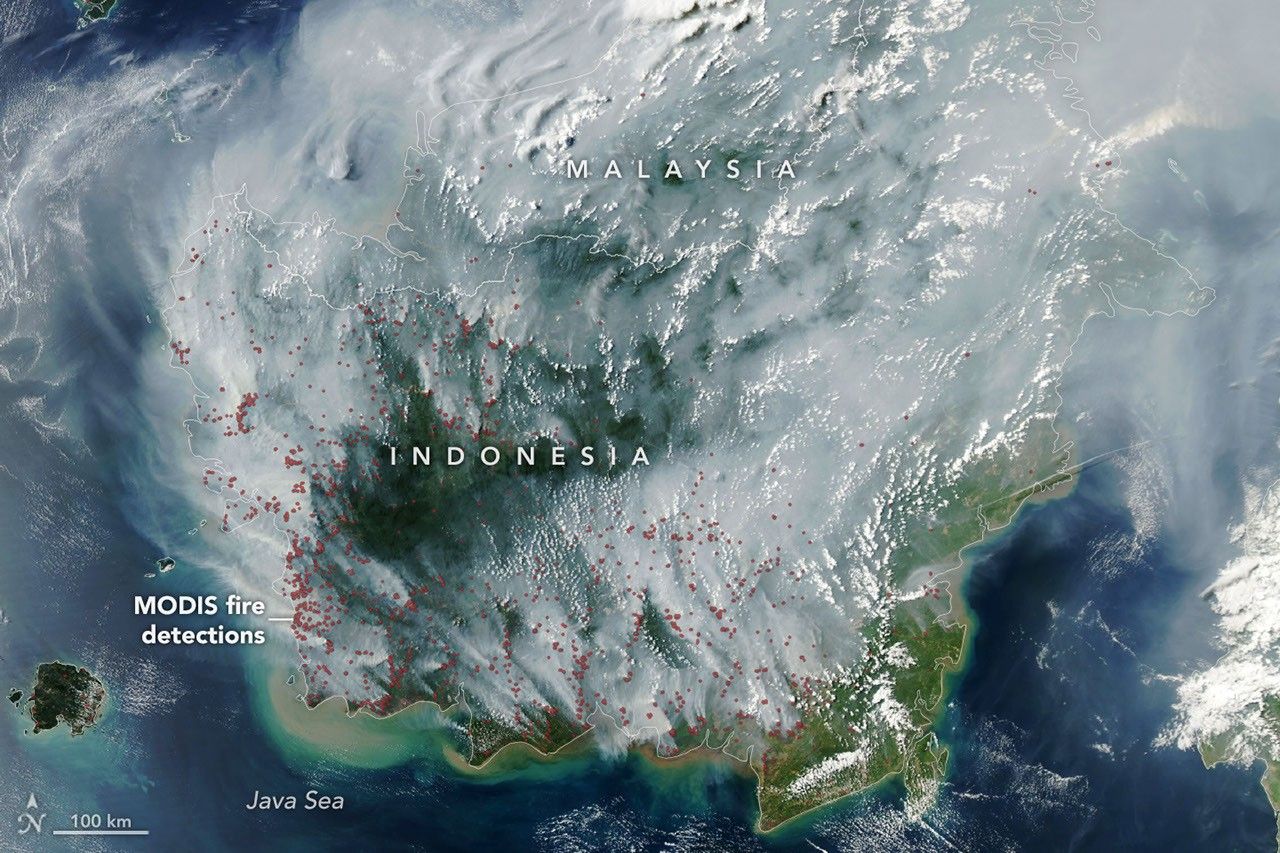
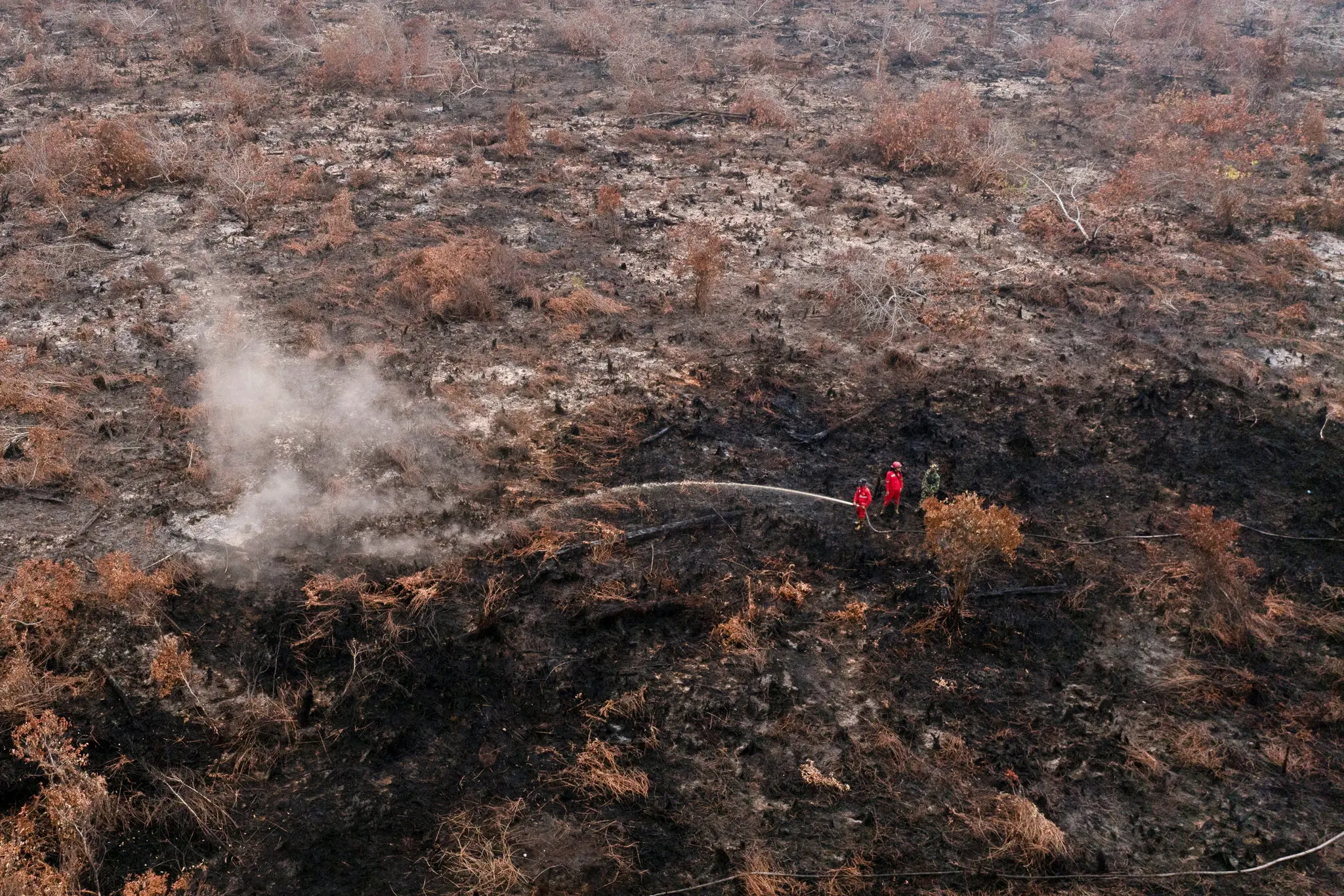
In Indonesia, El Niño frequently delays rains that put an end to thousands of acres of peatland and forest fires. One local resident in West Kalimantan told the New York Times that the earth has been so hot and dry that it feels like even an errant spark could explode into flames. We’re monitoring fires that break out on palm oil, paper, and rubber plantations and filing alerts with the companies that own or source from them to ensure that they take prompt action.
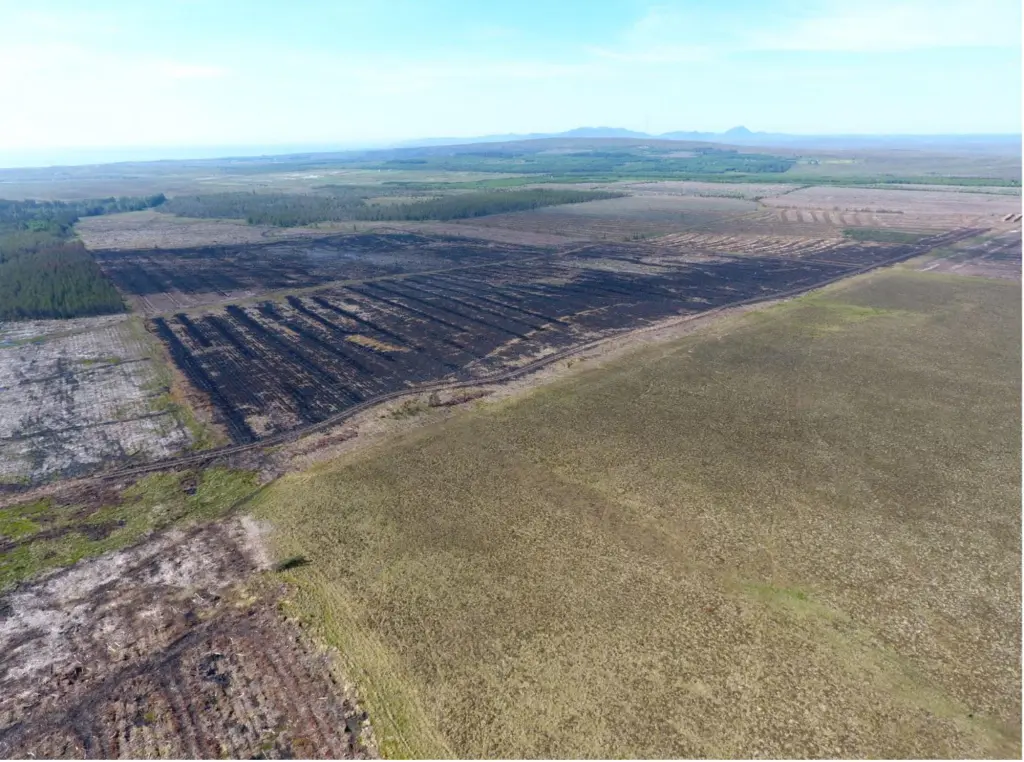
Frighteningly, this El Niño also seems likely to delay the onset of the rainy season in the Amazon rainforest itself. Adding drought to the damage already wrought by agriculture and deforestation could leave the forest at risk of potential ‘megafires’ – and tip parts of the ecosystem beyond the point of recovery.
I’m recounting these stories of disaster and collapse not to provoke despair, but because of two conclusions I draw from the carnage.
First, there is no longer any doubt about the urgency of our cause. Climate and the environment may not always top the issue polls, but these are stories and phenomena that are affecting millions of people, every day, across the globe.
Second, many of the places feeling the worst effects of this Godzilla El Niño are the places that have already been ravaged or denuded by bad governance, industrial agriculture, or some combination of the two. But where nature has been allowed to thrive, landscapes remain more resilient. Healthy peatlands, for example, can literally stop wildfires in their tracks.
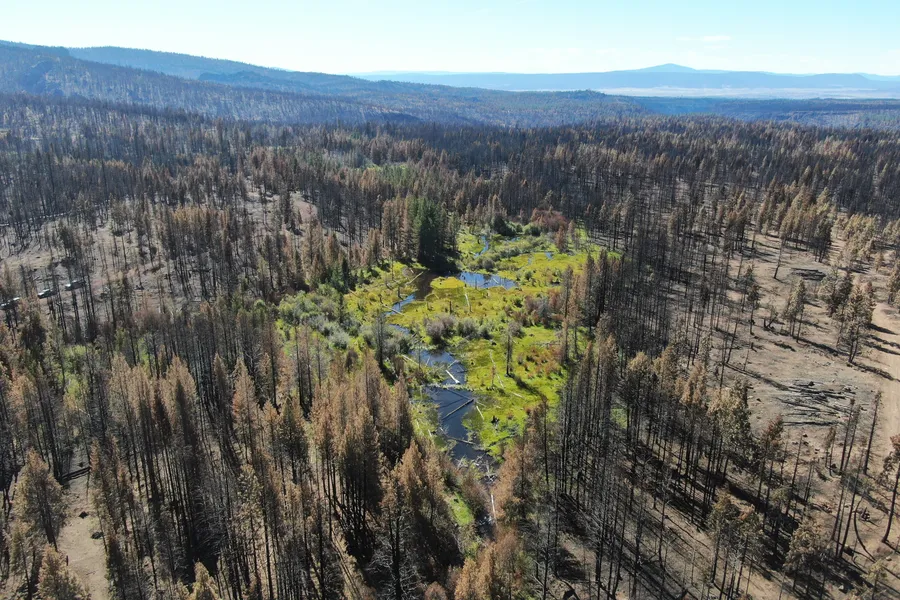
Similarly, the presence of beavers – a keystone species, ecosystem engineer, and frequent focus of rewilding projects – can have a dramatic effect on wildfire recovery. Their dams create refuges and can even help clean river water, providing “something like a water treatment plant” that can limit fire-related contamination and provide homes for fish, birds, and other animals amid apocalyptic landscapes.
As bleak as the world looks and feels at this moment, then, the solution is clear: action for nature at a scale commensurate with the crisis.
—
© 2026. The text of this article is openly licensed under Creative Commons (CC BY-ND 4.0); you are free to copy and redistribute or republish the article in its entirety with attribution and credit.