CEO Note: Stealing Steel Decarbonization
By Glenn Hurowitz, Founder & CEO
Steelmaking is responsible for 9 percent of the world’s climate pollution, which is why Mighty Earth has focused on decarbonizing this and other “heavy” industries. Auto companies and some steel companies themselves have committed to action, helping drive significant decreases in the cost of fossil-free production. Big steel companies have touted recent investments in the American steel industry as an opportunity to scale the production of green steel.
However, two of the world’s largest steel companies are undermining their commitments by attempting to lock in decades of additional fossil fuel use. Nippon Steel had touted their acquisition of homegrown steelmaker U.S. Steel as an opportunity to invest in modernizing an aging American industry in an attempt to secure bipartisan political support for their purchase.
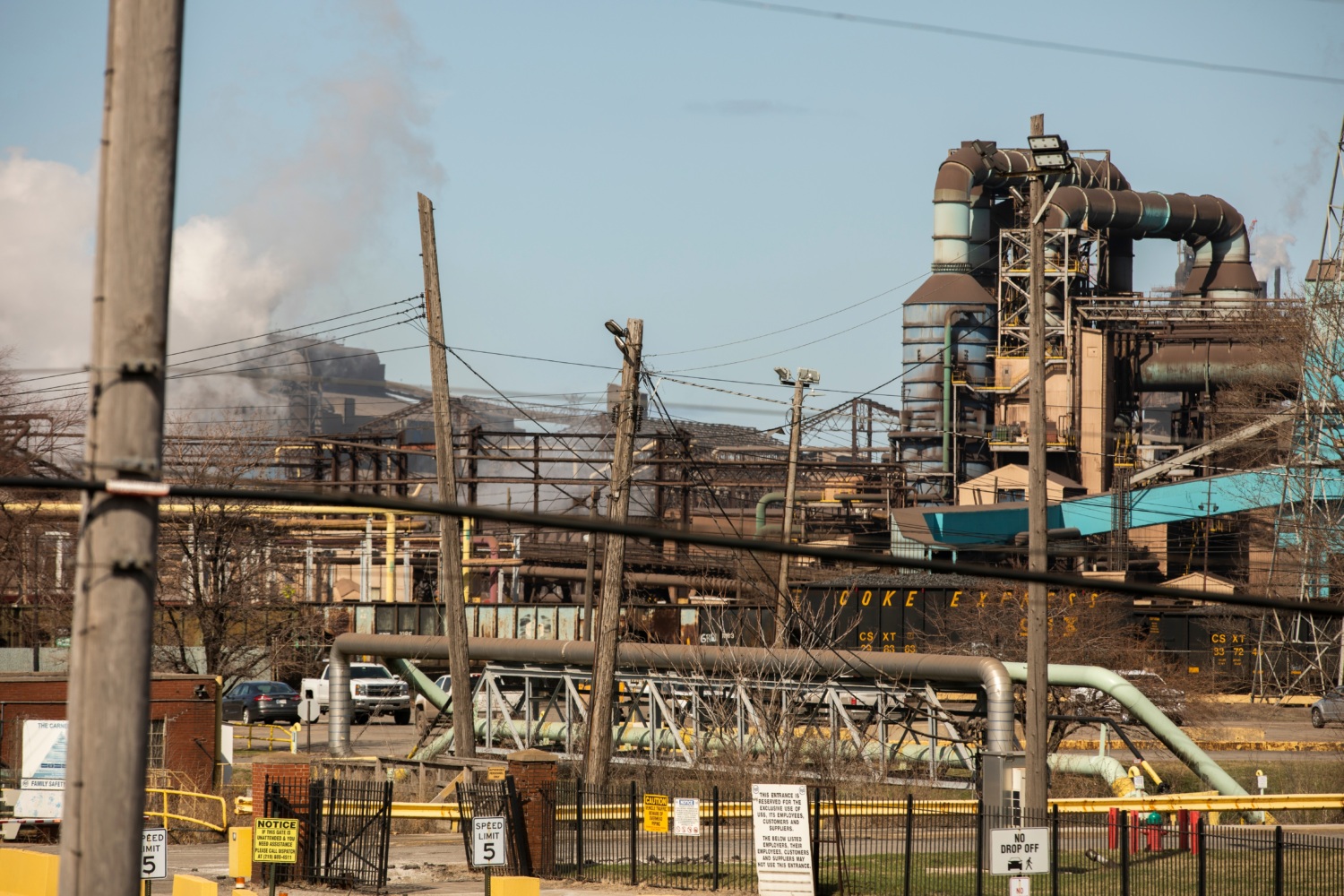
But instead of actually pursuing investments in clean steel, Nippon Steel recently announced that it has instead spent $350 million renovating the largest coal-fired blast furnace in the United States, located at Indiana’s Gary Works.
This “relining” could lock in over 100 million metric tons of cumulative CO₂ emissions, which is equivalent to the annual emissions of 23 coal-fired plants. It’s one of the world’s big, missed opportunities when it comes to decarbonizing heavy industry.
With Nippon committed to $14-15 billion in “investments” into US Steel facilities by 2028, the Gary Works relining is a warning. The Trump administration’s hostility to clean energy is is putting a heavy hand on this and other investment decisions.
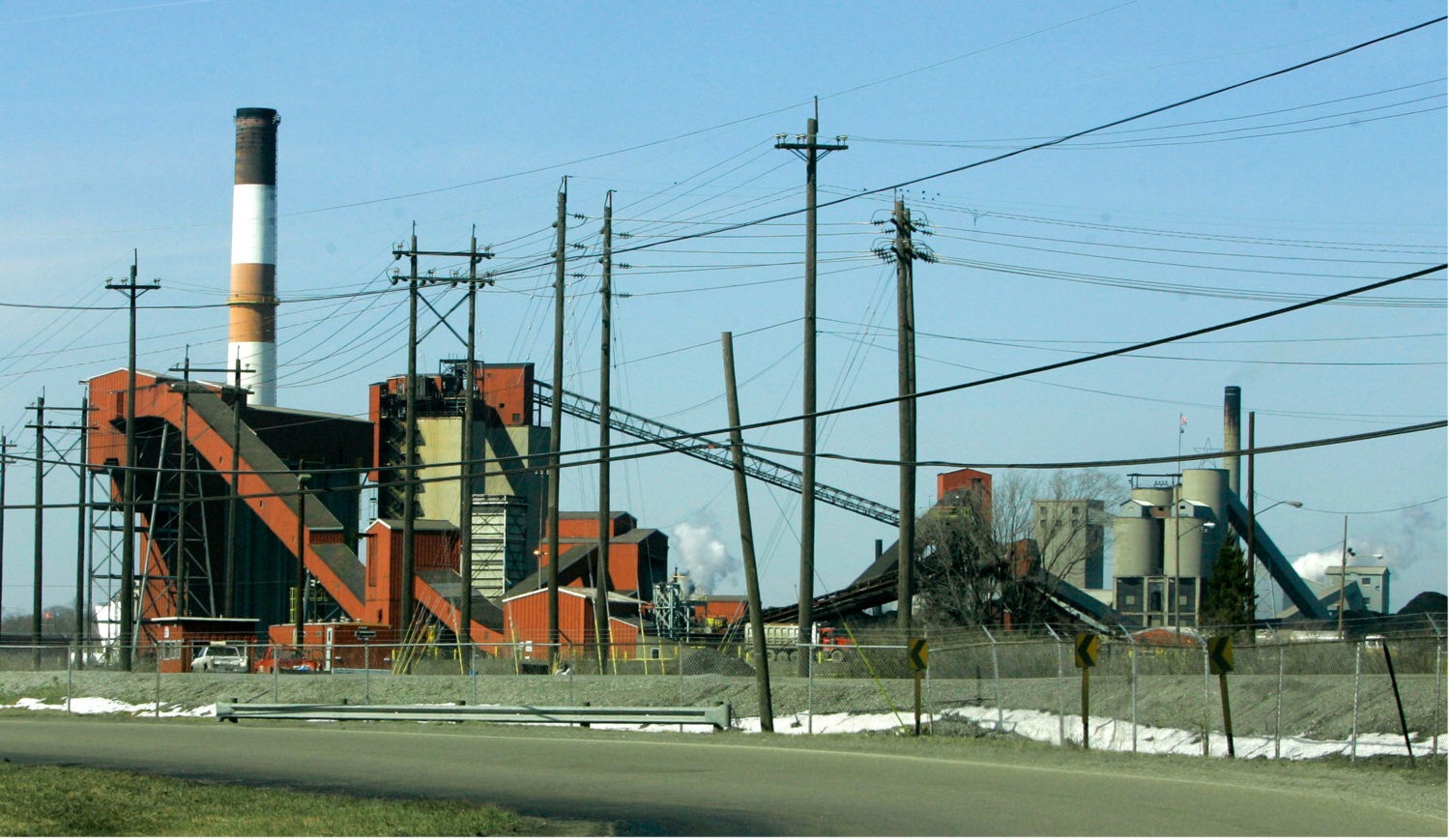
In neighboring Ohio, steel producer Cleveland-Cliffs had received a $500 million grant under the Inflation Reduction Act to decarbonize its steel facility in Middletown – funding that was legally required to be used “to accelerate greenhouse gas emission reduction progress to net-zero at an eligible facility.” Instead, in February of this year, the company announced new plans to double down on coal – refurbishing the existing, 73-year-old blast furnace to run for another two decades. JD Vance just went to Middletown to celebrate more coal, but was met by protesters angry about the pollution coming to their community.
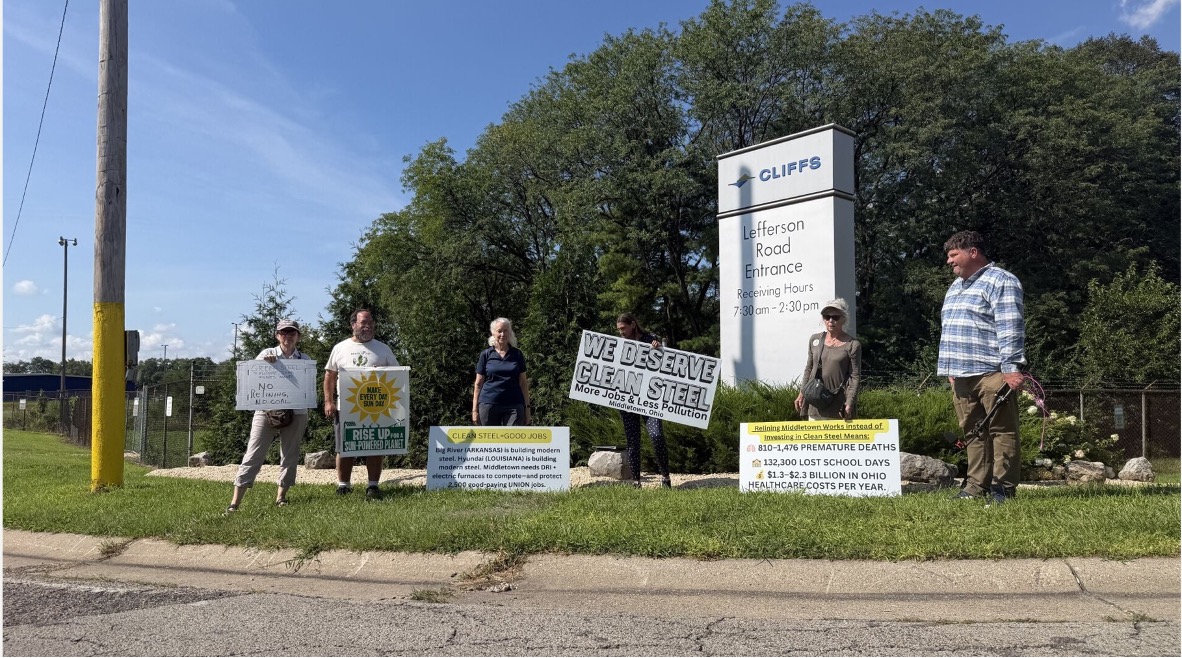
As Mighty Earth’s Michael Oles told the Dayton Daily News, “this plant has a chance to become one of the leading clean steel mills here in the United States…Instead what we’re getting is a backward-thinking plan that is going to create less jobs, make the plant less competitive and create more pollution.”
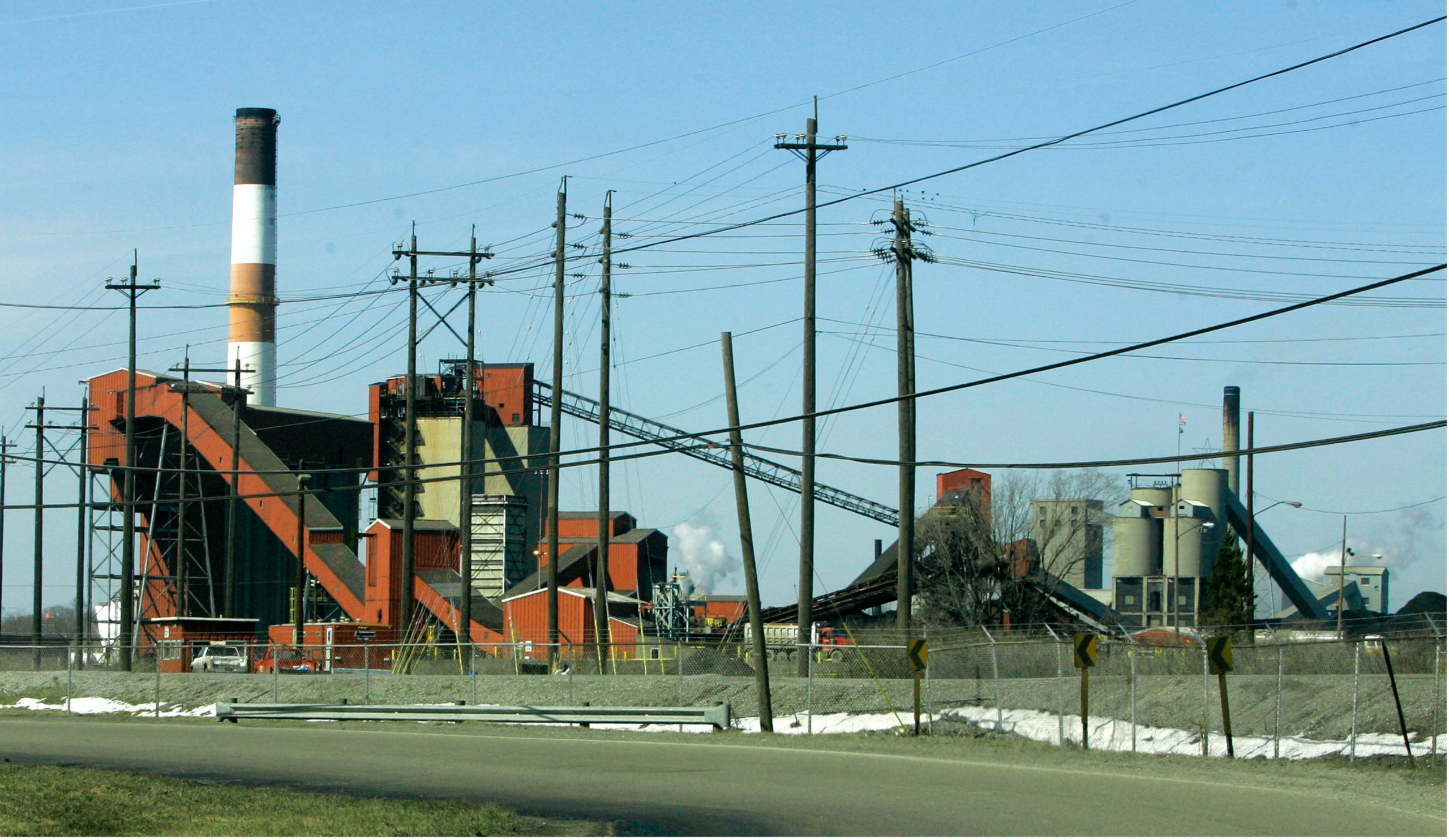
Donna Ballinger, a Middletown resident who lives 800 feet from the plant, blames Cleveland-Cliffs for pollution and quality of life issues in her neighborhood. “Almost every day my home and property, as well as my neighbors, are bombarded by fallout, noise and toxic emissions…Cleveland-Cliffs and JD Vance need to get rid of coal and go back to the original project that would clean up the air we breathe and improve our health. Extending the life of the coal furnace will continue to harm me, my family and my neighbors.”
What’s to be done in the face of a pattern of steel companies committing to decarbonization and then instead actually investing in fossil fuels? While the Trump administration’s politics are clearly part of the challenge, counter-pressure is possible.
Regardless of the politics, these steelmakers need markets to do business. A wide range of auto companies have pledged to boost their purchases of green steel. This latest doubling-down on coal from Nippon Steel and Cleveland-Cliffs should cause GM, Toyota, and Hyundai to look to more responsible suppliers to meet their green steel commitments.
Second, international markets have the opportunity to drive change. European automakers are emerging as leaders in the transition to green steel, using their purchasing power to accelerate the shift away from coal-based production.
Companies including Mercedes-Benz, BMW, Volvo, and Volkswagen have signed agreements with steelmakers to secure low- and near-zero-emissions steel, including steel produced using renewable electricity and green hydrogen. Their U.S. competitors are falling behind.
Here’s the obvious reality: politics is retarding near-term opportunities for American decarbonization. In the near term, that’s bad news for the climate and really bad news for America’s economic competitiveness.
America isn’t doing its job. But the job still has to be done. There remain enormous opportunities to drive companies based overseas – where the overwhelming majority of the world’s steel is produced – to accelerate decarbonization, and hopefully bring the US industry up after it.
That’s why we’re working to expand our decarbonization campaign in Asia and Europe, and I look forward to reporting on positive action there.
—
© 2026. The text of this article is openly licensed under Creative Commons (CC BY-ND 4.0); you are free to copy and redistribute or republish the article in its entirety with attribution and credit.