Top Asian supermarkets losing face over climate inaction
Asia_MethaneReport_March2026
This press release has been localized for the following markets: Japan, South Korea, Singapore, and China/Hong Kong.
The first-ever assessment of the climate commitments and action of eight major supermarkets across four Asian countries— China, Japan, South Korea, and Singapore—by global environment organization Mighty Earth, finds that none are taking the critical action needed to address methane emissions from their meat, dairy, and rice supply chains, despite reductions of the super polluting greenhouse gas being one of the fastest levers to slow near-term global temperature rise.
The analysis examines the supermarkets’ climate commitments in the context of rising meat consumption in Asia–a key driver of the superheater greenhouse gas methane. China is the world’s largest beef importer, accounting for over a third of global beef trade volume.
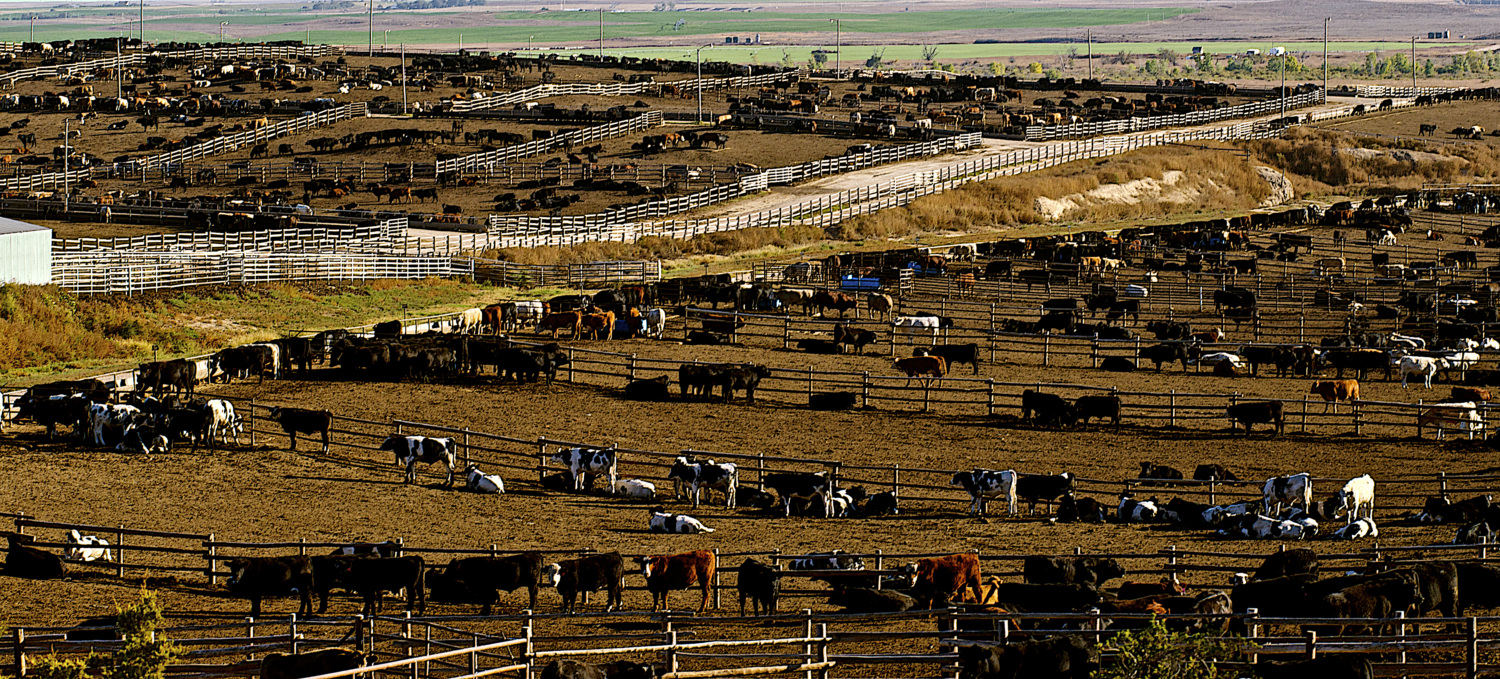
Livestock agriculture accounts for approximately 32% of human-caused methane emissions, and the sector is the single biggest driver of rising agricultural methane emissions globally. The report highlights the failure of Asian retailers to address methane emissions in their meat and dairy supply chains, despite the sector’s substantial climate impact in the region.
The retailers analyzed in the report include DFI Retail Group and Sun Art Retail Group Limited in China and Hong Kong; Walmart in China; AEON and Seven & i in Japan, Emart Inc. and Lotte Shopping in South Korea; and FairPrice Group in Singapore.
Seven of the eight retailers scored below 80 percent of the total points available. Japan’s AEON ranked highest overall yet earned just 20.5%, less than a quarter of the total points available. While AEON was the only retailer to publicly acknowledge the climate impact of methane from livestock, it has yet to implement specific, measurable actions to reduce emissions. Japan’s Seven & i Holdings Co., Ltd., the parent company of 7-Eleven, scored in the middle of the table with 9/100, while the lowest score—0/100—was awarded to FairPrice Group of Singapore, reflecting a total lack of action on climate pollution.
Meihua Piao, East Asia Manager for Mighty Earth said:
“Asian retailers are losing face when it comes to tackling climate pollution embedded in meat, dairy and rice supply chains. Asia is the largest driver of the super polluting global beef trade, while the massive amount of methane from rice production is being overlooked.”
“The world has just experienced its third hottest year on record, with a key driver being methane emissions from livestock agriculture and rice cultivation. Rapidly cutting this greenhouse gas is one of the fastest ways to put the brakes on global warming and to lessen the extreme climate impacts that Asia is already experiencing.”
“Transparent reporting is a critical first step that Asian retailers must take to address methane pollution. Supermarkets are also uniquely positioned to help customers better understand the climate impact of the food they eat and support a shift to diets with more plants.”
Key findings from the report:
- None of the retailers report their methane emissions, and overall climate reporting was patchy, with only the Korea supermarkets scoring full points for Scope 1, 2 and 3 reporting.
- None of the retailers have adequate reduction plans, despite meat, dairy and rice driving agricultural methane emissions.
- Not a single retailer has a publicly available deforestation- and conversion-free (DCF) policy, despite the significant impacts of deforestation on climate and nature, driven by meat and dairy production.
- Driving plant-based sales increases is an opportunity currently not been realized by any of the retailers assessed.
Asia’s methane problem
Methane is a short-lived but super-polluting greenhouse gas that is roughly 80 times more potent than carbon dioxide over a 20 year-period, making rapid cuts to methane emissions one of the fastest levers to slow near-term warming.
With the region warming at roughly twice the global average, climate impacts are already being felt across Asian economies, ecosystems and societies.
Beef is the single biggest driver of agricultural methane emissions globally and is the second most widely consumed red meat in Asia after pork. According to the FAO/OECD, meat and seafood consumption in Asia is set to rise by 78% by 2050—the largest global gain. In short, growing meat and dairy consumption is driving Asia’s methane emissions.
Asia accounts for approximately 90% of global rice production and consumption, with methane emissions from rice cultivation representing a major and persistent climate challenge in the region. Globally approximately 60 million tons of methane is emitted each year from rice production — around 10% of global anthropogenic methane emissions.
Of the four countries in which the retailers assessed are operating, Japan, South Korea and Singapore have signed the Global Methane Pledge, a voluntary commitment launched at COP26 in 2021 which aims to reduce global methane emissions by 30% by 2030. China is not a signatory and has yet to publish specific methane reduction targets.
Action by Asian retailers
Mighty Earth is calling on the eight Asian retailers to take immediate action, starting with greater transparency in climate reporting, including disclosure of methane emissions from meat, dairy, and rice products. As part of this work, companies must:
- Acknowledge methane’s major role in their emissions profiles and climate change plans and raise consumer awareness of this important issue.
- Set methane reduction targets in line with the Global Methane Pledge of 30% reduction by 2030.
- Support a transition to plant-based diets by setting a target to achieve at least 60% plant-based and 40% animal-based sales ratio by 2030.
Notes to editors:
Methodology:
The assessment of the eight retailers relies exclusively on public disclosures, including company reports, websites, and the SBTi commitment database; no confidential or proprietary data was used. It assesses transparency rather than on-the-ground implementation, treating public disclosure as a core measure of accountability.
- The analysisevaluates eight of Asia’s top supermarkets on their climate disclosure and methane emissions. The retailers included in this scorecard were selected based on their yearly revenue, volume of grocery sales, and overall market dominance in the food retailer sector. These retailers were evaluated on 20 indicators across six categories, with the research conducted between December 1, 2025, and January 15, 2026.
- Where applicable, the analysis focused on the recent climate related disclosure published on retailers’ websites. The sole exception was Indicator 3.4, which also drew data from the Science Based Targets initiative (SBTi) commitment database.
- The total score is 100 points, distributed among 20 indicators. Each indicator was scored on a three-tier scale: full points, half points, or zero points. Indicators were weighted differently, with each assigned a specific score based on its related importance and its potential impact on a retailer’s methane emissions and overall climate accountability.
===