Going for Gold: Ghana removes mining law threatening forest reserves
Ghana’s Parliament has removed one of the worst pieces of environmental legislation in the nation’s history – the Legislative Instrument (LI) 2262, 2022. This now-scrapped LI expanded the scope of mining areas to include protected areas, such as forest reserves.
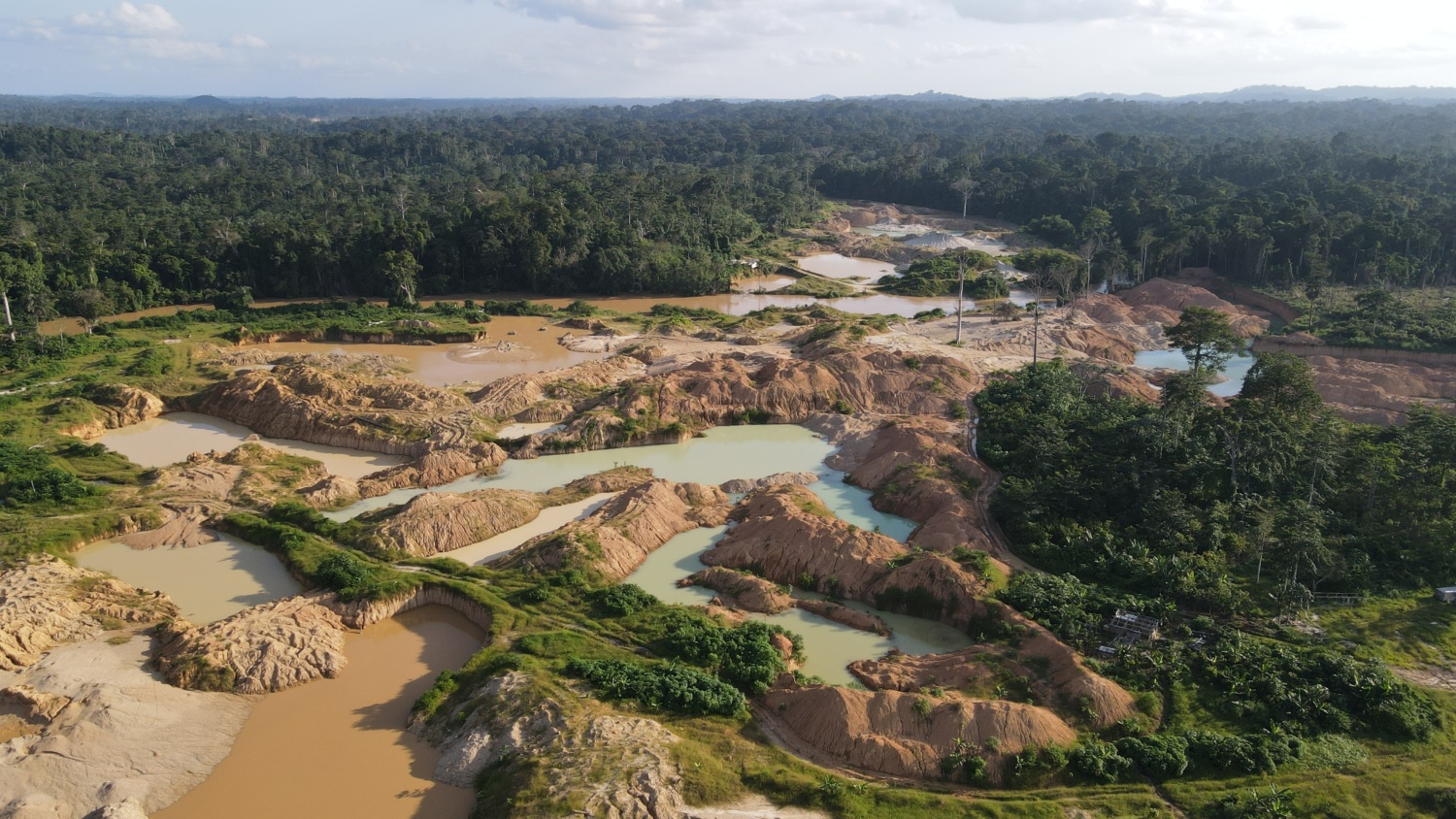
This deeply flawed legislation was detrimental to forests not only because of opposition from the Ghanaian public and civil society, but also because it exacerbated the illegal small-scale mining (galamsey) crisis, which is decimating agricultural landscapes, in-land riverine systems, and protected areas. The devastation from galamsey continues impacting other key industries in Ghana.
Between 30,000 and 60,000 hectares of cocoa farms have been reportedly lost to irresponsible small-scale mining (galamsey), contributing to the cocoa crisis in the 2023/24 season. Small-scale gold mining continues to contaminate major rivers and agricultural lands with heavy metals, posing a serious threat to food safety and clean water, especially for the millions of people who rely on these resources for their lives and livelihoods.
Most of the 282 protected areas, established to maintain ecosystem functions and conserve biodiversity, are probably safe for now. However, restoration needs to start quickly in the more than 20 forest reserves that have been decimated by ongoing and past illegal mining. 
The government’s responsiveness in amending and ultimately repealing LI 2246 shows a commitment to tackling the ongoing destruction caused by illegal small-scale mining, but much more is required.
The success of the Ghanaian government and its Gold Board (GoldBod) in cleaning up the gold export trade is commendable. The GoldBod is developing a chain-of-custody system for gold from pit to port, while aiming to meet the London Bullion Market Association standard as part of a grand plan to increase Ghanaian control over its gold resources.
While these are necessary, a traceability system can only be credible when supported by public trust and transparency in its development. Such a trustworthy system is crucial for Ghana’s access to higher-value gold markets while safeguarding its forests and communities.
Cleaning up small-scale gold production, protecting people and the environment, and adding value must be central to the nation’s efforts to benefit from its domestically produced gold. Ending the rush to mine in forest reserves and protected areas is just the start.
Mighty Earth, in our new gold campaign will focus on the problem of illegally mined gold in global supply chains, particularly small-scale gold from Ghana. We will bring our unique “perfect storm” approach to pressure jewelers, refiners and other upstream corporations that have profited from the human and environmental costs of mining, beginning with our investigative report in April 2026.