CEO Note: There goes the Amazon Soy Moratorium
By Glenn Hurowitz, Founder & CEO
The meat industry has abandoned its one large-scale legitimate sustainability effort: the Amazon Soy Moratorium.
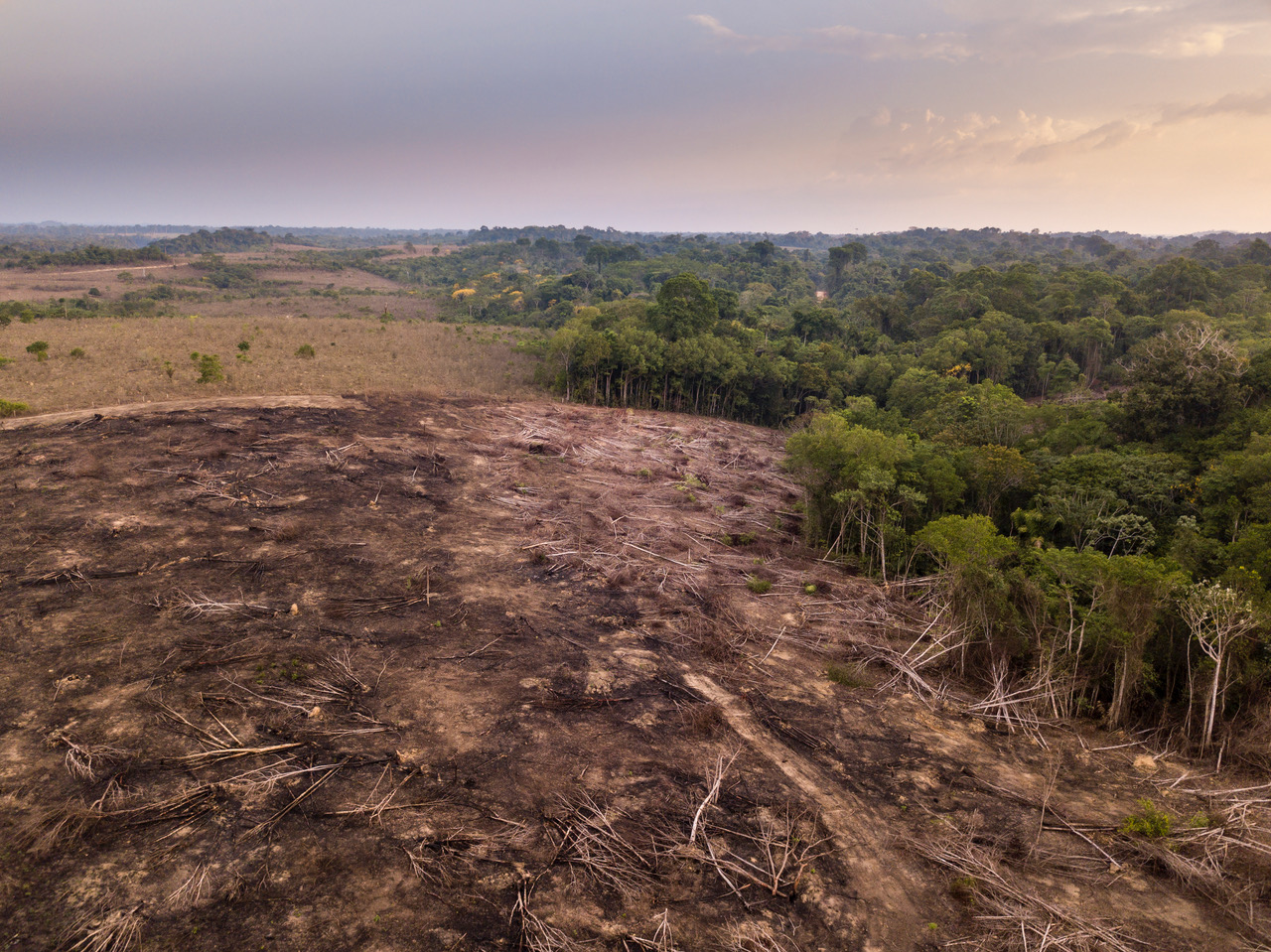
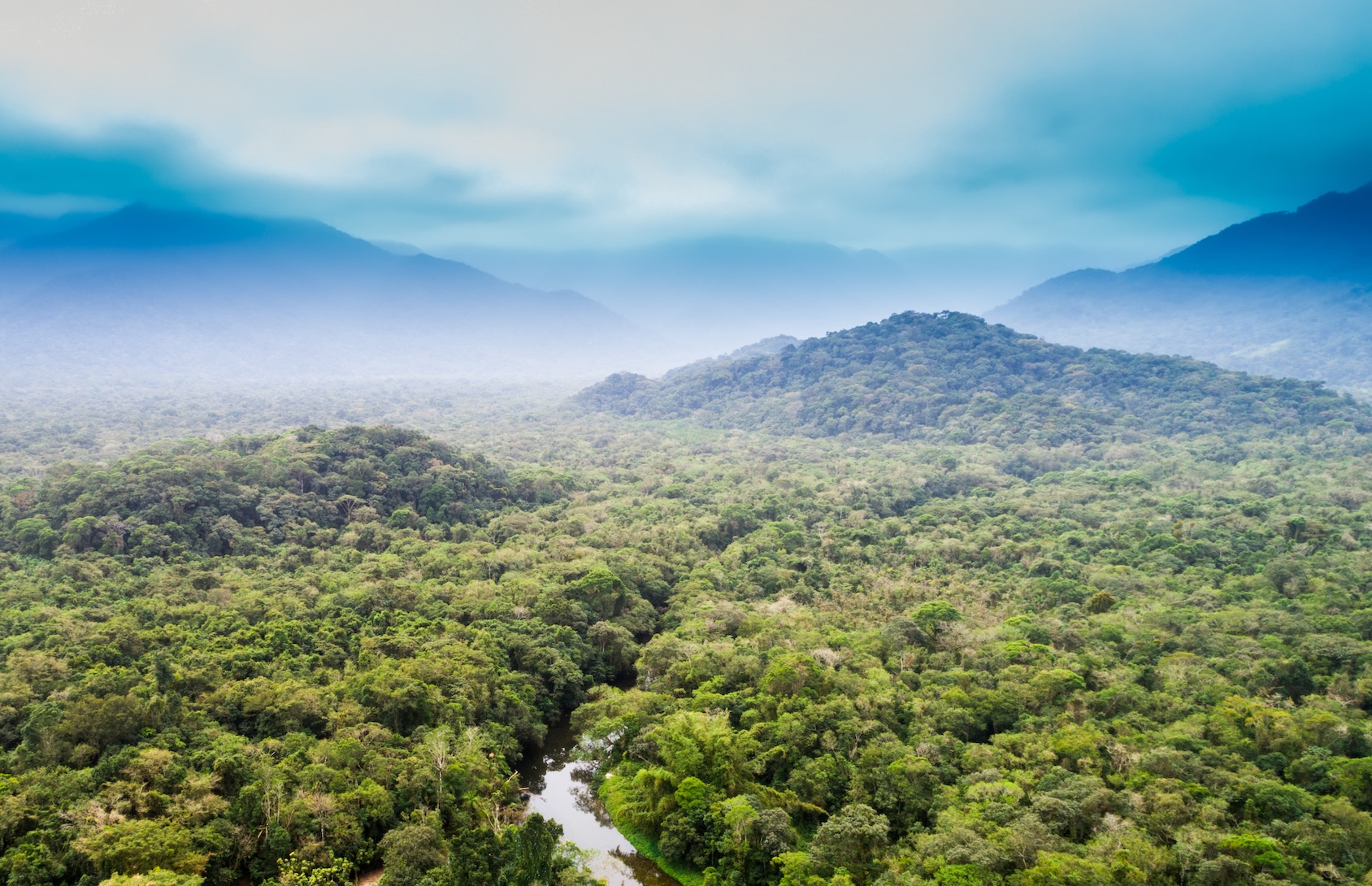
Under the Moratorium, major animal feed traders agreed not to purchase soy grown on areas deforested after July 2008, even if the deforestation was legal. It’s been a huge success: This policy saved 17,000 square kilometres of Amazon rainforest in its first decade. It’s also been an environment-economic win-win: the soy industry has expanded by more than six million acres just in the Brazilian Amazon by focusing development on previously converted lands instead of intact ecosystems.
But recently, more than twenty key companies – headlined by ADM, Bunge, Cargill and Louis Dreyfus – pulled out of the moratorium. The collapse of the ASM could expose 3 million acres of forest to deforestation for soy. Deforestation in the Amazon could increase by as much as 30% by 2045.
Allowing this destruction is short-sighted. It will undermine Brazil’s climate targets. Even more absurd, many of the companies abandoning the Moratorium – and their customers – have pledged to eliminate all destruction of native ecosystems within their supply chains by the end of last year. Abandoning a proven mechanism like the Soy Moratorium makes monitoring those pledges harder and sends exactly the wrong signal.
The companies that sell the meat raised on this animal feed need to act. The Soy Moratorium has underpinned their own forest saving commitments for decades. Customers like Sainsbury’s and E.Leclerc have issued statements expressing support for the Soy Moratorium and their love of Mother Nature, but have not been willing to exact sufficient commercial consequences to protect it. They haven’t even suspended purchases from culprits like Cargill or Bunge, responsible for the bulk of nature destruction in the animal feed industry.
The meat industry, responsible for more deforestation than the rest of agriculture combined and more climate pollution than all the cars in the world, has lost its main example of corporate responsibility. It is reverting to a strategy of pure destruction. But there will be consequences: it will have to market its chicken, bacon, and burgers to customers with a side of dead sloths and jaguars.
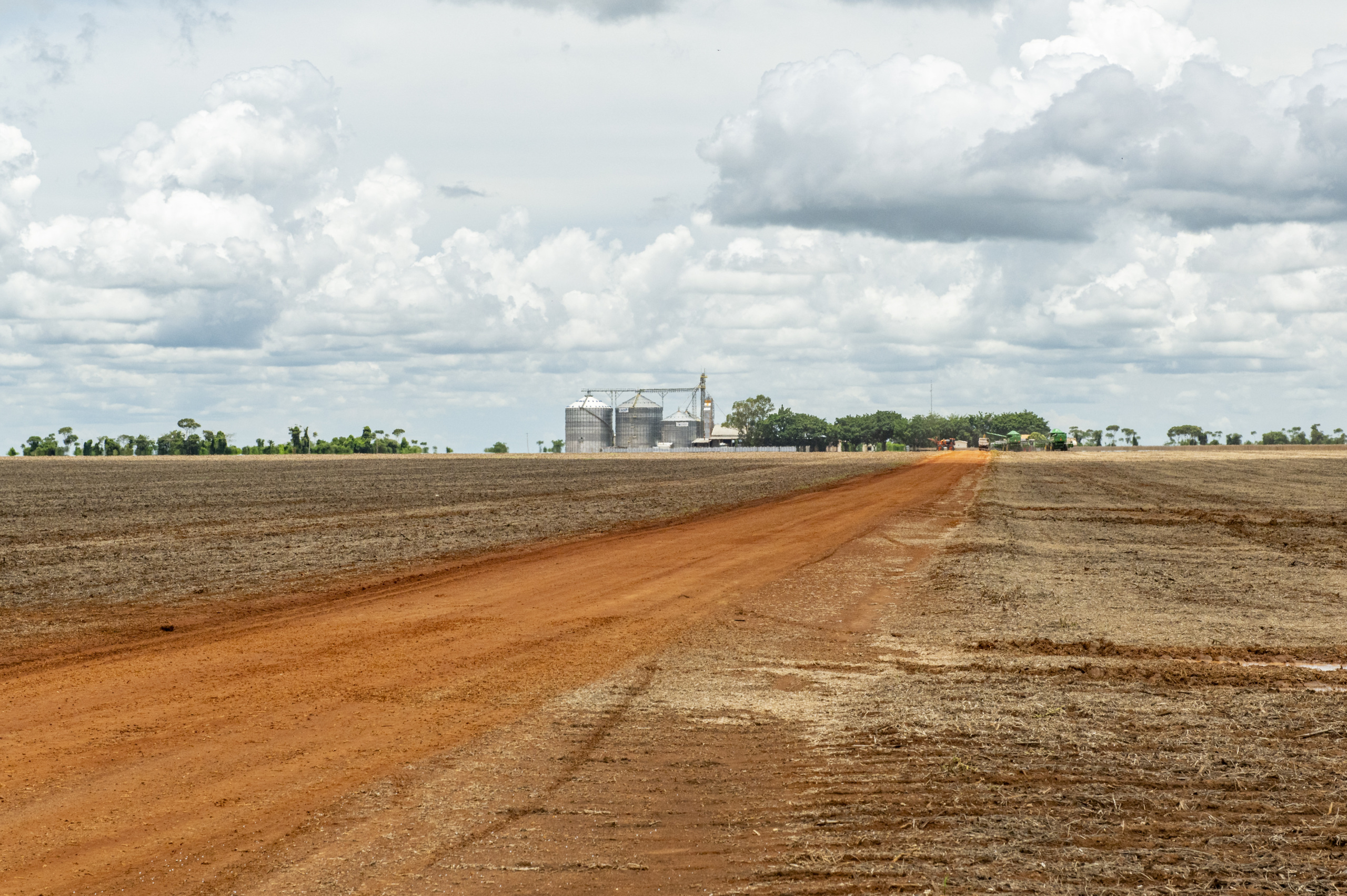
I wrote about the importance of the Moratorium in a recent piece at Financial Times Sustainable Views (gift link):
Now more than ever, with more environmental rollbacks, nature needs powerful and courageous defenders, including inside big corporates. If CEOs of multinationals want their legacies to be something other than capitulation to the destroyers of nature, they need to stand up and fight for it.
—
© 2026. The text of this article is openly licensed under Creative Commons (CC BY-ND 4.0); you are free to copy and redistribute or republish the article in its entirety with attribution and credit.