CEO Note: Legal victory on JBS
By Glenn Hurowitz, Founder & CEO
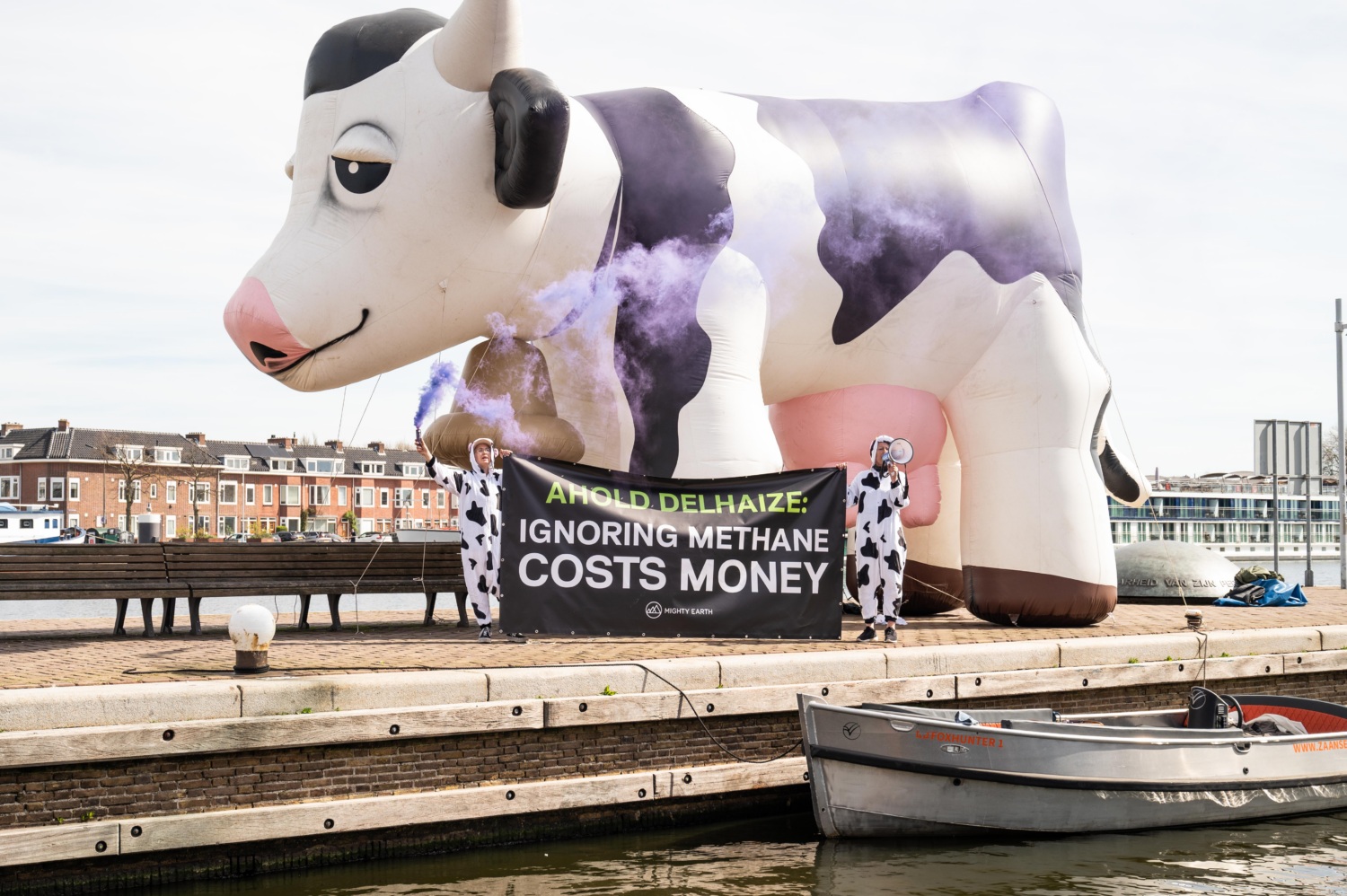
New York State Attorney General Letitia James has secured a victory in the legal effort to drive the meat industry to reduce its environmental impact – starting by telling the truth about what exactly that impact is. JBS will have to reform its deceptive marketing practices, and report into the New York State government for three years about its progress. The company has also agreed to pay $1.1 million to invest in climate smart agriculture in New York state.
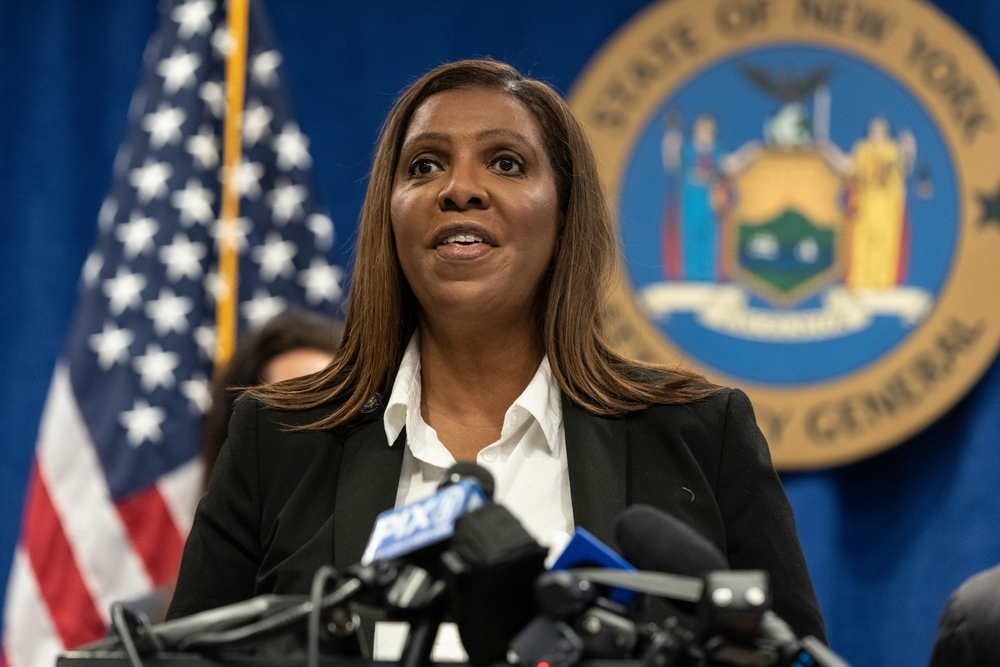
The hard-fought settlement is the culmination of James’ suit filed last year against JBS, based in part on evidence compiled by Mighty Earth and allies. We found that the company markets itself on a trajectory to reach net-zero climate emissions by 2040 when in fact its rapid expansion of meat processing in America and on multiple continents would push its emissions in the opposite direction.
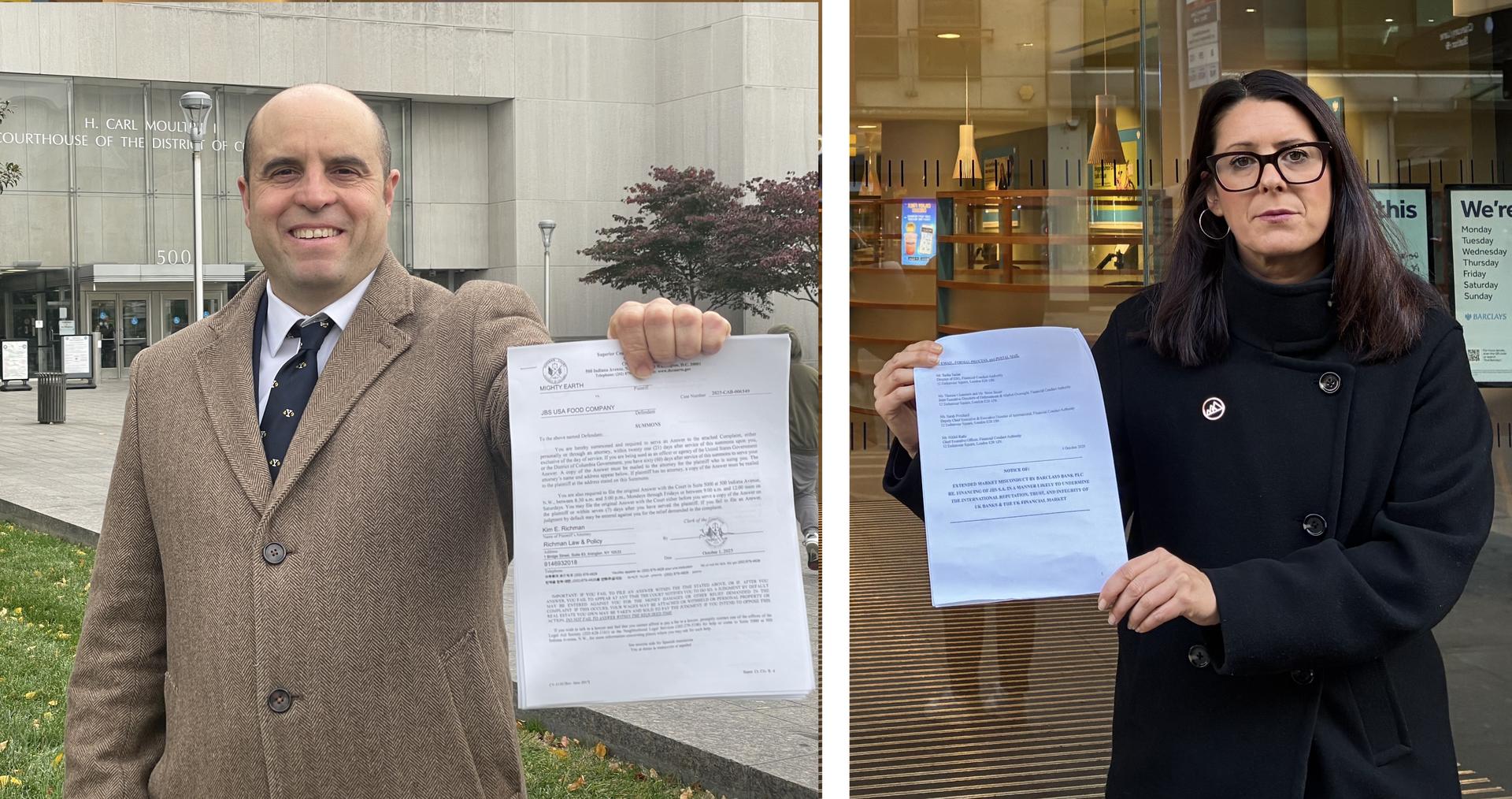
Indeed, in the days leading up to this JBS settlement, Mighty Earth launched two new legal cases on both sides of the Atlantic focused on JBS and one of its largest financiers, Barclays. In Washington, DC our lawsuit presented evidence that JBS marketing was violating the District’s Consumer Practices Protection Act. The case was a complement to James’ suit; JBS’ willingness to reform its marketing and invest in climate action beyond New York State’s borders will likely have a heavy impact on its ultimate outcome.
And in London, we filed a case with the Financial Conduct Authority connected to Barclays’ underwriting $3 billion of JBS’ so-called Sustainability-Linked Bonds (SLB’s). Barclays appear to have been complicit in JBS deception, given it was aware of the climate distortions as well as serious criminal human and environmental violations committed by JBS both before and during Barclays underwriting of the SLBs.
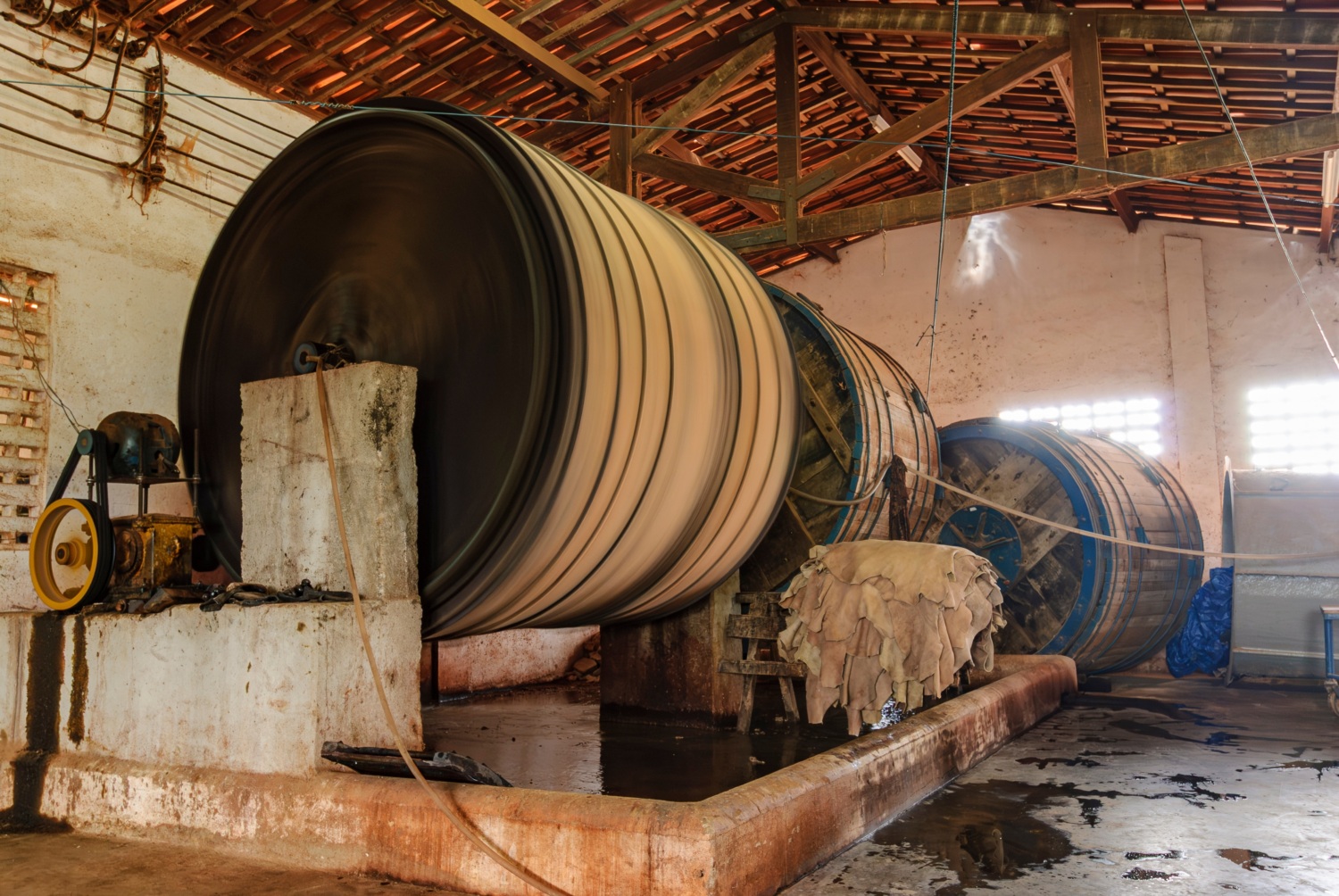
All cases hinge on JBS’ manipulation of net-zero. As a meat processor, 95%+ of JBS’ climate and nature footprint comes from the colossal amount of land, water, and energy needed to raise the cattle, pigs, and chickens the company sells.
Yet JBS excluded those impacts from its calculations, and reported instead on only operational emissions (Scope 1 and 2). While JBS notes these exclusions on obscure corners of their website, its sustainability marketing gives the impression that it’s making real progress.
Our lawyer, Jennifer Church, from Richman Law & Policy, said: “Our lawsuit says JBS USA is falsely portraying its net zero commitment to the Washington D.C. public and is omitting material facts in a way that make their representations unlawfully deceptive, thereby violating D.C. consumer protection law.”
Meanwhile, in the real world beyond JBS’ spin, the company is rapidly expanding its footprint: not content with driving the destruction of the Amazon, nor the pollution of America’s waterways through its violations of the Clean Water Act in the United States, or its expansion in koala habitat on Australia’s agricultural frontier, it is now bringing its model of industrial agriculture to Africa, too. It is making an initial $2.5 billion investment in six new slaughterhouses in Nigeria – a major threat to Africa’s ecosystems and local agricultural communities.
As my colleague Alex Wijeratna put it, “JBS is linked to over a million hectares of Amazon deforestation, and drives more climate damaging methane each year than oil giants ExxonMobil and Shell combined.”
I wish we hadn’t had to file these cases. JBS would be best served by honestly reporting its footprint and taking concrete actions to address it. Our goal is not to punish the meat industry, but to change it. Towards that end, we reached out to JBS many times over the last several months in an attempt to discuss concrete actions they could take to end deforestation, cut its methane footprint, and boost animal-free protein sales over time. That kind of outreach has led to positive change at dozens of meat and ag companies.
But JBS doesn’t seem willing to even talk. Instead, they’re continuing deceptive marketing, and both consumers and the Earth now need courts and government to step in to stop it. We hope that the settlement with New York States is the beginning of charting a new course for JBS and the entire meat industry.
Thank you to Attorney General James and all the partners and supporters who made this progress possible!
—
© 2025. The text of this article is openly licensed under Creative Commons (CC BY-ND 4.0); you are free to copy and redistribute or republish the article in its entirety with attribution and credit.