2025 – The Year of Never Impossible
Dear friend,
I cannot recall a time when the people in power cared less about Nature and climate. In the United States, we’ve seen the proposed repeal of core conservation policies like the Roadless Rule that protects 58.5 million acres of national forest; the gutting of Hawaii’s Papahānaumokuākea Marine National Monument (created by George W. Bush as the largest single protected area in the United States); and a broad assault on climate policies, including exempting hundreds of polluters from the Clean Air Act.
In Europe, policymakers are delaying and proposing to weaken the EU Deforestation Regulation, the most important international conservation policy of the last decade – while undermining policies that move the continent towards electric vehicles.
And yet, somehow, there has still been important progress in 2025. Mighty Earth can point to significant accomplishments this past year. Even in the face of terrible politics, we’ve been able to deploy smart campaigns that have helped drive industry transformation and delivered substantial results on the ground.
Thank you for all your support to make these wins for nature and climate possible even in the face of political challenges.
Mighty Earth’s 2025 Accomplishments
Climate Breakthroughs
The meat industry causes more climate pollution than all the cars, trucks, ships, and planes in the world combined. A major source of this pollution is methane – a climate superheater with a greenhouse gas warming effect 86 times greater than CO2.
This year, our engagement and advocacy around this issue directly led to two world firsts on methane:
- At COP30 in Belém, Brazil, Marfrig became the first major beef producer to commit to disclosing and reducing methane emissions, pledging a 33% reduction in Scope 3 methane emissions by 2035. This built on their commitment to eliminate all deforestation and ecosystem destruction throughout their supply chains.
- Albert Heijn became the first major supermarket to publicly disclose methane emissions, reporting that methane accounted for about 14% of its total climate pollution in 2024.
- Both of these achievements grew out of the work around our groundbreaking investigations, which showed that meat companies and supermarkets are largely failing to address methane emissions.
We’re now using the momentum from these breakthroughs to drive change by other large meat companies and supermarkets.
Tackling the Biggest Threats to Forests
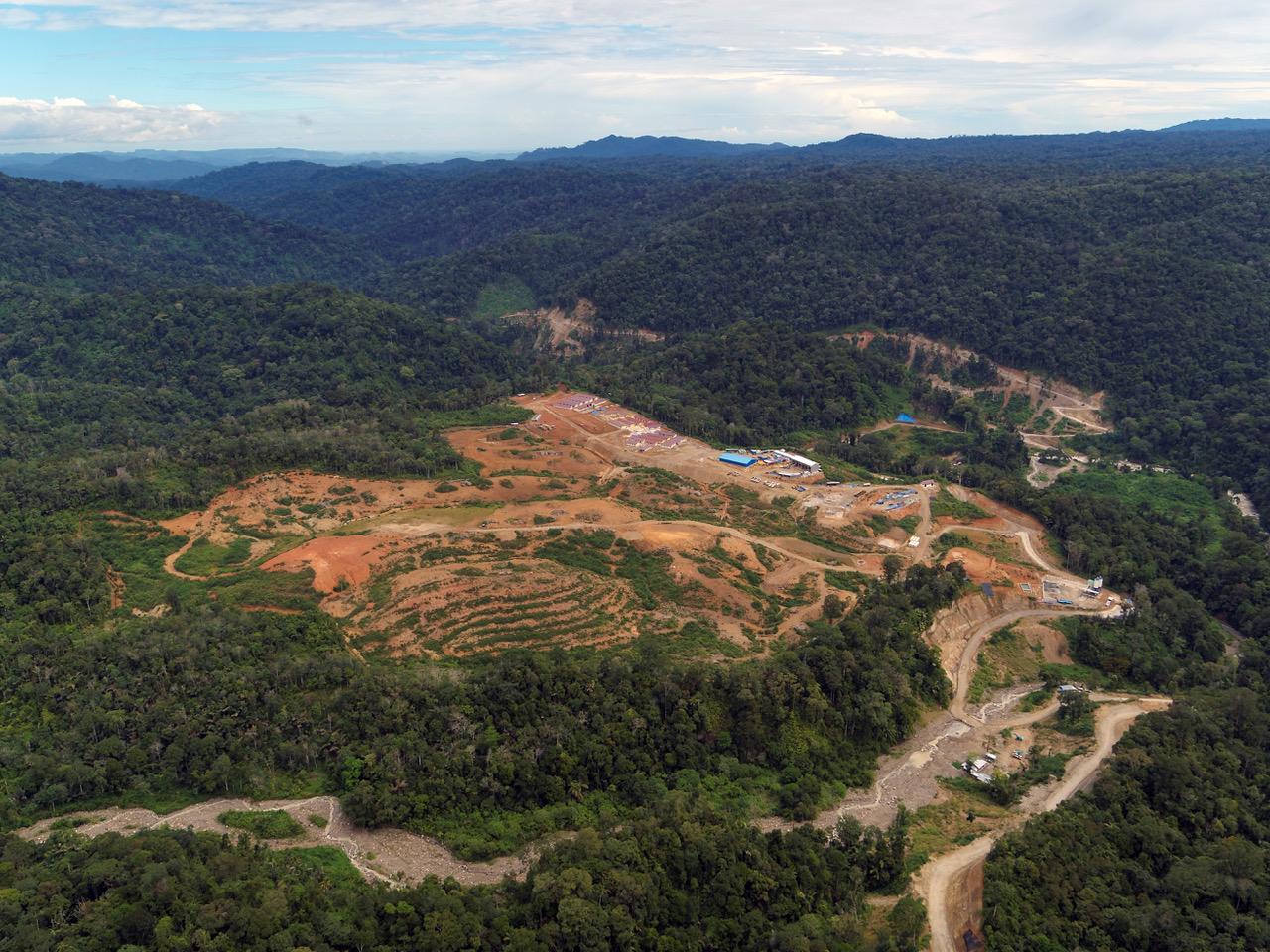
- We’ve helped build a movement to persuade the Indonesian government to rechannel “the world’s largest deforestation project,” the ‘Food and Energy Estates’ project that threatens 7 million acres of rare forest, savannas, and peatlands.
- We’ve driven coverage in Associated Press, AFP, Le Monde, Yale Environment 360, and other outlets that brought international attention to the project, while our advocacy and engagement with government officials continues to work towards alternative ways for Indonesia to meet its goals.
- Another investigation, undertaken with and published in The New York Times, exposed the destruction of 100,000 acres of orangutan habitat and Indigenous Dayak forest in Borneo, fueled by Winnebago and other RV companies. We caught Alas Kusuma and affiliate Mayawana Persada excavating deep peat in violation of Indonesian law, with orangutan nests and sun bear footprints found in areas slated for destruction. The Indonesian Ministry of Forestry ordered the company to halt bulldozers.
- Early in 2025, South Korea announced it would reduce biomass subsidies. Biomass – falsely labeled as a sustainable source of energy – drives forest destruction around the world so facilities can burn wood pellets for energy, emitting more carbon than coal. Mighty Earth’s work alongside Solutions for our Climate, our South Korean partner, included a report showing the impact of biomass in Indonesia and a Rapid Response case to increase visibility. We continue to push for similar action in Japan, where the Japanese nature photographer who toured British Columbia forests with us hosted a photography exhibit at Patagonia stores throughout Japan, powerfully showing the impact of these practices on Canadian forests.
- This year, Mighty Earth published our 50th Rapid Response palm oil report, marking eight years of successful monitoring that helped achieve a 90% decline in commodity deforestation in Southeast Asia, resulted in more than 60 palm oil suppliers adopting forest and human rights policies, and led to more than 275 bad actors being suspended.
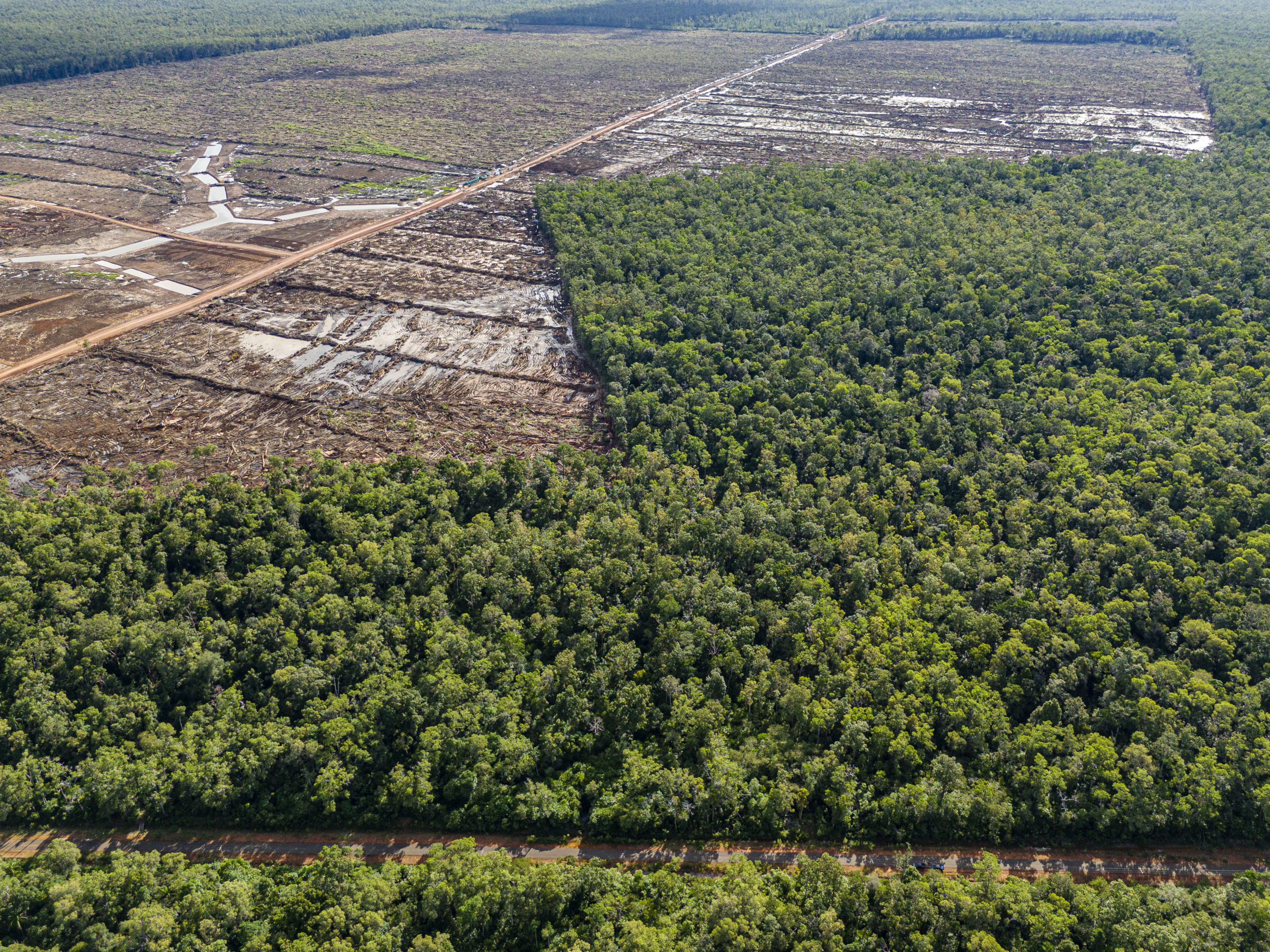
And the expansion of Rapid Response Deforestation Monitoring to Latin America has continued to yield significant results:
- Our Rapid Response reports drove companies to drop almost 1,000 non-compliant suppliers linked to deforestation in Brazil, sending a signal that destruction of nature leads to rapid loss of market access
Industrial Decarbonization
We continued to pressure Hyundai and other auto companies to clean up its supply chain in the race to create a truly sustainable electric vehicle.
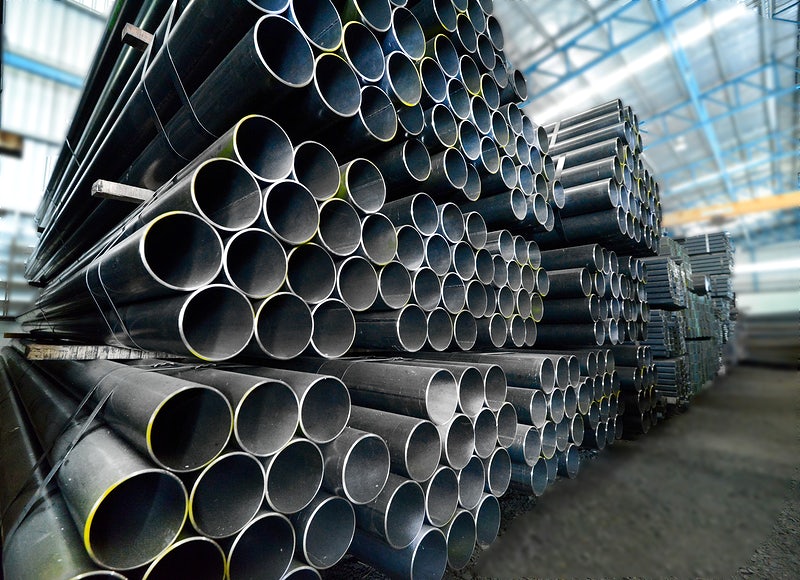
- We published a report detailing the devastating impacts of Hyundai’s steel supply chain on people and planet, ranging from greenhouse gas emissions and life-threatening pollution to exploitative labor practices and ties to dirty Russian coal.
- Hyundai later announced its new Louisiana facility will use green hydrogen to make steel, with plans to become a catalyst for the hydrogen ecosystem in the state.
Rewilding
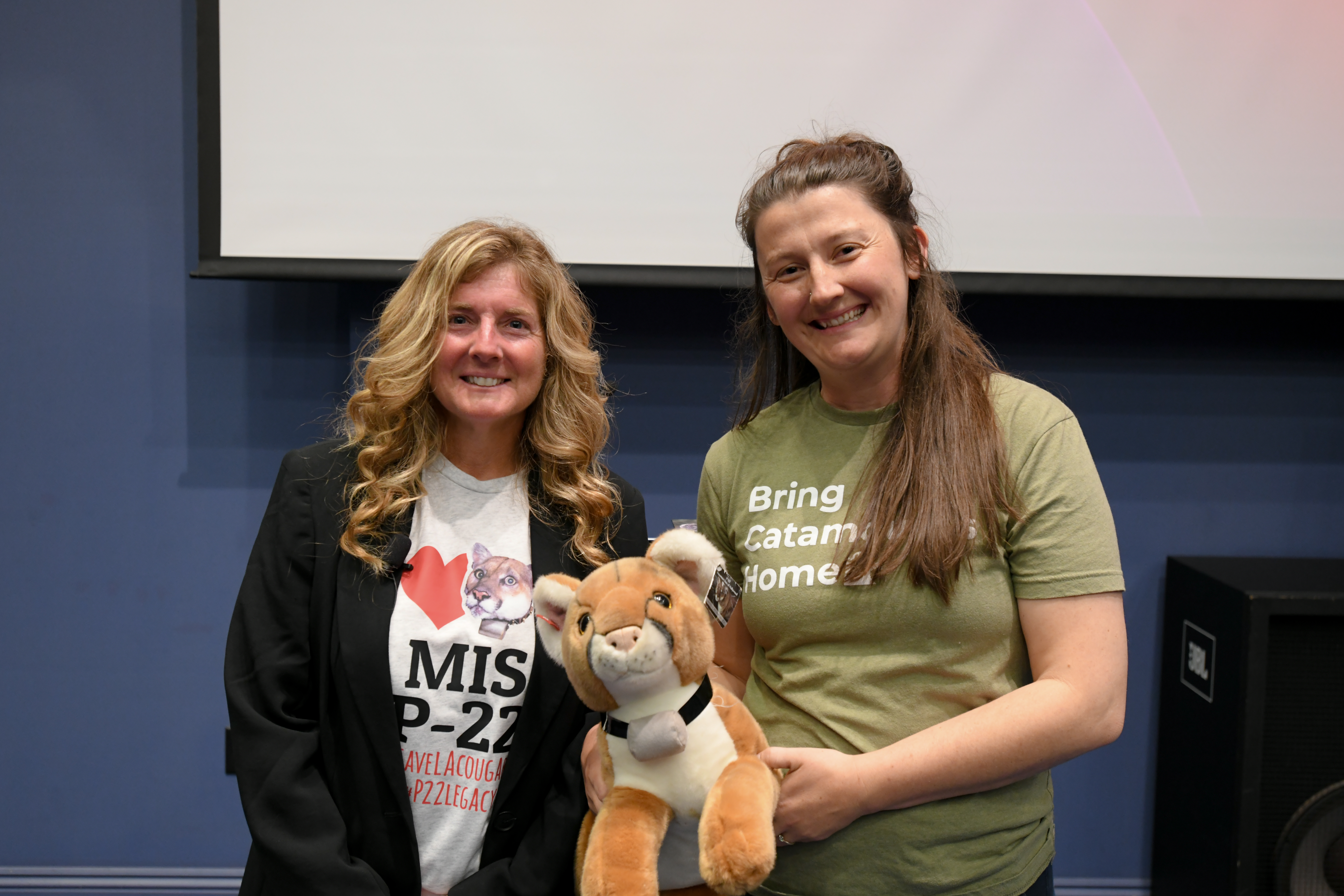
After launching our rewilding initiative in 2024, this year we hired our US Rewilding Director, who is spearheading our effort to bring back mountain lions – catamounts – to the US northeast.
- We launched a new online home for the Vermont campaign and had meetings with policymakers, senior Vermont political leaders, scientific experts, and agency officials in the state.
- Our communications team brought national attention to the campaign through major articles in The Guardian and The Washington Post.
- We’ve begun hosting events in Vermont, including a talk from advisory board member Beth Pratt in Burlington and a series of “Catamount Conversations” in different communities to energize supporters, recruit volunteers, and answer common questions.
Legal Filings & Corporate Accountability
For two years, Mighty Earth and our allies fought against the planned IPO for JBS, the world’s largest meat company. While our work helped delay the IPO and forced additional disclosures, JBS did ultimately list its shares on the New York Stock Exchange after approval by the Trump administration. I wrote at the time that, despite our disappointment, we would “keep working through private sector pressure and governments to change the company and the meat industry as a whole to end deforestation, reduce their climate pollution, and drive a shift to more sustainable protein.” This year:
- The New York Attorney General secured a $1.1 million settlement with JBS USA for allegedly misleading the public about climate commitments, with JBS agreeing to reform environmental marketing practices and report annually for three years.
- Mighty Earth filed a lawsuit in Washington, D.C. against JBS USA for alleged false statements about achieving net zero by 2040.
- We also filed a complaint with UK Financial Conduct Authority calling for investigation into potential fraud and greenwashing by Barclays for underwriting $3 billion in Sustainability-Linked Bonds issued by JBS.
Additionally, Mighty Earth joined the Transnational Legal Coalition to work with other organizations on further legal opportunities to drive impact.
We also continued to work with Indigenous allies from South America on our groundbreaking lawsuit in France against supermarket chain Casino, the first legal action to hold a supermarket accountable for both deforestation and Indigenous land grabbing. The trial has been set for mid-2026.
Forest Finance Progress
In our continuing efforts to secure financing for nature, we advocated for countries to contribute to the Tropical Forests Forever Facility (TFFF). Many governments, people and organizations worked to help this initiative succeed, and I am optimistic that the TFFF can be an innovative way to make forests more valuable standing than destroyed.
- At COP30, the Tropical Forests Forever Facility announced $5.5 billion in initial pledges, including $3 billion from Norway, $1 billion each from Brazil and Indonesia, and $500 million from France, with plans to eventually raise $125 billion.

—
Taken together, we’ve made remarkable progress this year. Our campaigners – backed by incredible communications, finance, development, and operations teams – have not faltered, even as the courage of too many political leaders has wilted.
Thank you for your support. We could not have done it without you. As we defend Nature in 2026, it’s great to know that we have your support.
Sincerely,
Glenn Hurowitz, Founder & CEO
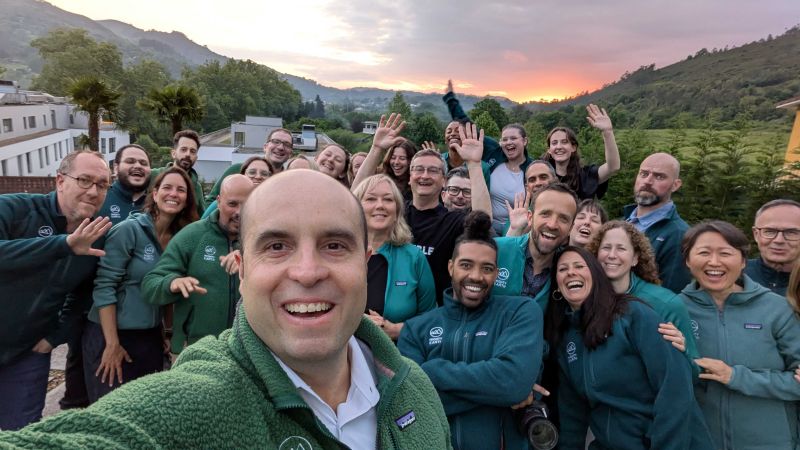
and the Mighty Earth team!
P.S. — We need your financial support to continue this work. As you’re considering your year-end giving, please consider supporting Mighty Earth’s work. Even in a time of political challenge, Mighty Earth is delivering outsized nature and climate impact.