CEO Note: Degooberizing American manufacturing
By Glenn Hurowitz, Founder & CEO
American industry facing enormous challenge. Despite the current administration’s efforts to revive domestic production, U.S. manufacturers are struggling to keep up with global competitors. U.S. government data shows that the U.S. economy shed 55,000 manufacturing jobs between January and November 2025. A key part of that struggle isn’t about tariffs, red tape, or labor costs—it’s about failing to invest in the sort of cleaner production that future-oriented customers are demanding.
In steel manufacturing, that failure is especially evident: U.S. companies are abandoning decarbonization plans even as foreign competitors invest heavily in cleaner production. Sure, part of the reason is the gutting of clean energy incentives and a reluctance to even mention climate change in our reactionary political environment. But there’s also a deeper cultural failure in legacy American businesses, one I see in nearly every conversation with auto and industrial companies, that actively inhibits our ability to compete—a deeply ingrained but foolish belief that “this is how it’s always been done” is reason enough.
But while these American behemoths struggle to adapt (or worse, actively choose not to), steel producers in Asia are decarbonizing to maintain their market access as demand for greener steel continues to grow. India, the world’s second-largest steel producer, exports a significant share of its steel to the European Union. The EU’s Carbon Border Adjustment Mechanism, which took effect earlier this month, imposes additional costs on imports based on the pollution generated during production, forcing Indian companies to shift their operations. China, meanwhile, has long invested in greener steel production and is already seeing the benefits play out in European markets. For any producer reliant on EU buyers, continuing to make carbon-intensive steel is no longer an option.
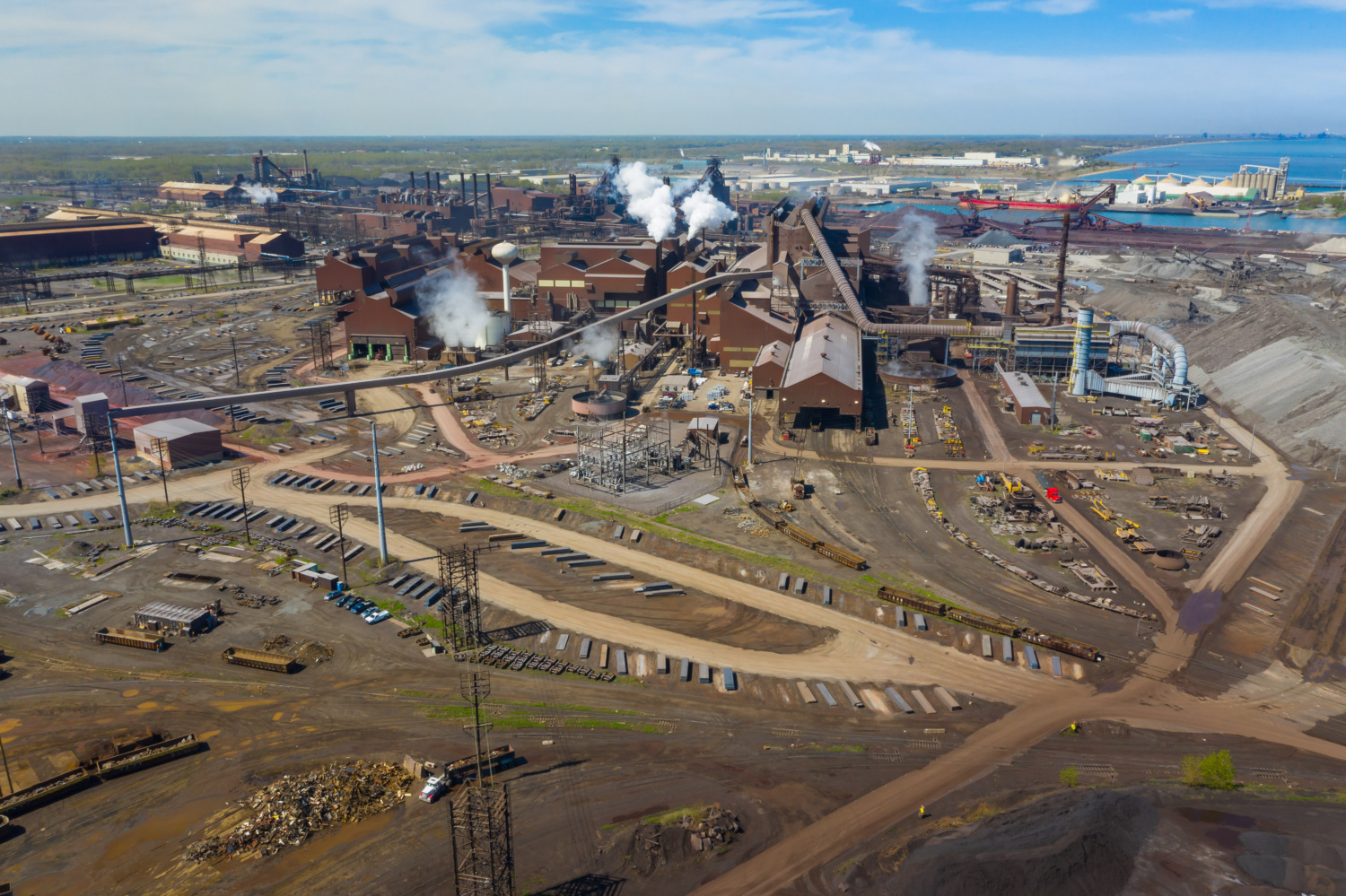
In contrast, while the U.S. is seeing investments from top auto and steel companies to expand domestic production, most of it still relies on coal-based steel. And the consequences are already visible: American steel producers haven’t been able to keep up with Asian steel producers, helping to explain why the United States makes 40% less steel than it did 50 years ago. Indeed, Mighty Earth’s new report finds that the biggest potential for green steel scale-up in the United States is coming from a Korean company: Hyundai’s $6 billion low-carbon steel works in Louisiana. While Hyundai presses forward, major American steel manufacturers—including U.S. Steel and Cleveland-Cliffs—are abandoning green steel plans and even investing new money in coal-intensive production.

Domestically, the tradeoff is minimal. Transitioning to green steel would raise the cost of an average vehicle by just 0.66 percent, while avoiding releasing gigatons of carbon pollution into the atmosphere. In other words, no one will notice the price difference, and it’s dwarfed by the labor and other material costs. As our analysis shows, automakers, which purchase roughly 60 percent of primary U.S. steel, have enormous leverage to drive decarbonization. Yet Ford, GM, Toyota, Hyundai, Honda, and Stellantis continue to rely on highly polluting steel that undermines their own climate commitments while polluting air and water in frontline communities.
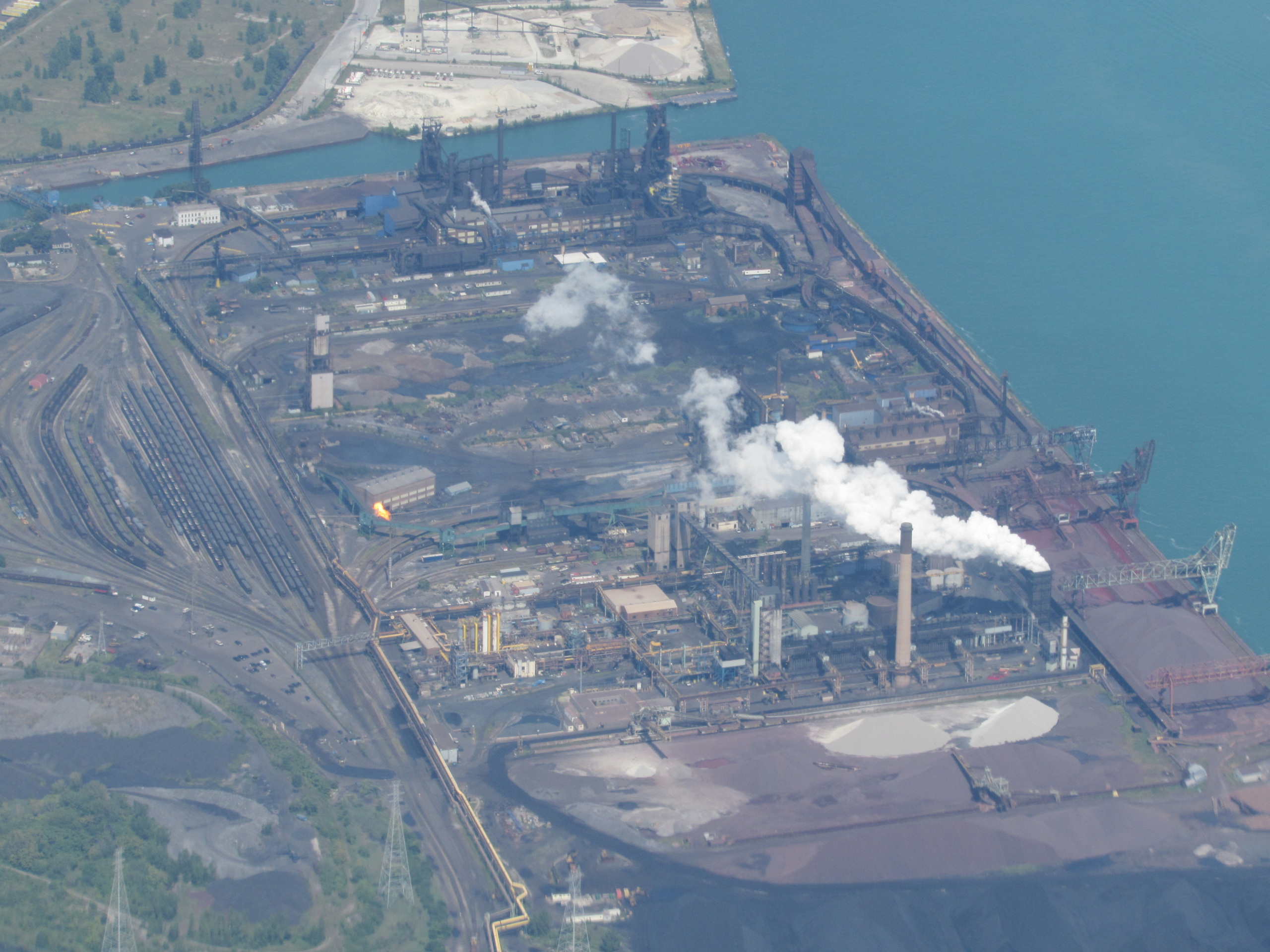
Indeed, the economic costs go far beyond lost market access. Coal-based steel pollution is estimated to cause between $6.9 and $13.2 billion in annual health damages in the United States, alongside roughly $137 million in broader economic losses each year. Without a rapid shift away from coal-based production, U.S. steelmakers risk becoming liabilities as global markets turn toward green steel.
We need U.S. industry to shake off its indolence. In other words, as much as we need to decarbonize American industry, we also need to degooberize it.
We’re not just saving the climate; we’re saving our fundamental ability to make stuff.
—
© 2026. The text of this article is openly licensed under Creative Commons (CC BY-ND 4.0); you are free to copy and redistribute or republish the article in its entirety with attribution and credit.